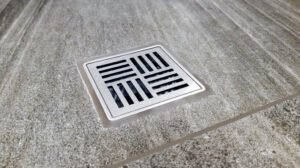
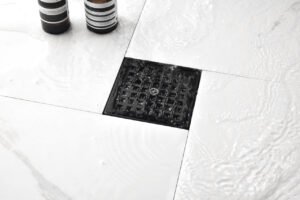
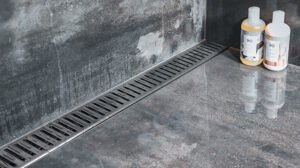
Experiencing a bathroom pipe dripping can be frustrating. Not only does it waste water, but it can also lead to significant damage if left unchecked. Understanding the causes behind this issue is crucial for effective resolution. In this article, we’ll explore the common reasons for bathroom pipe dripping and provide practical solutions to address the problem.
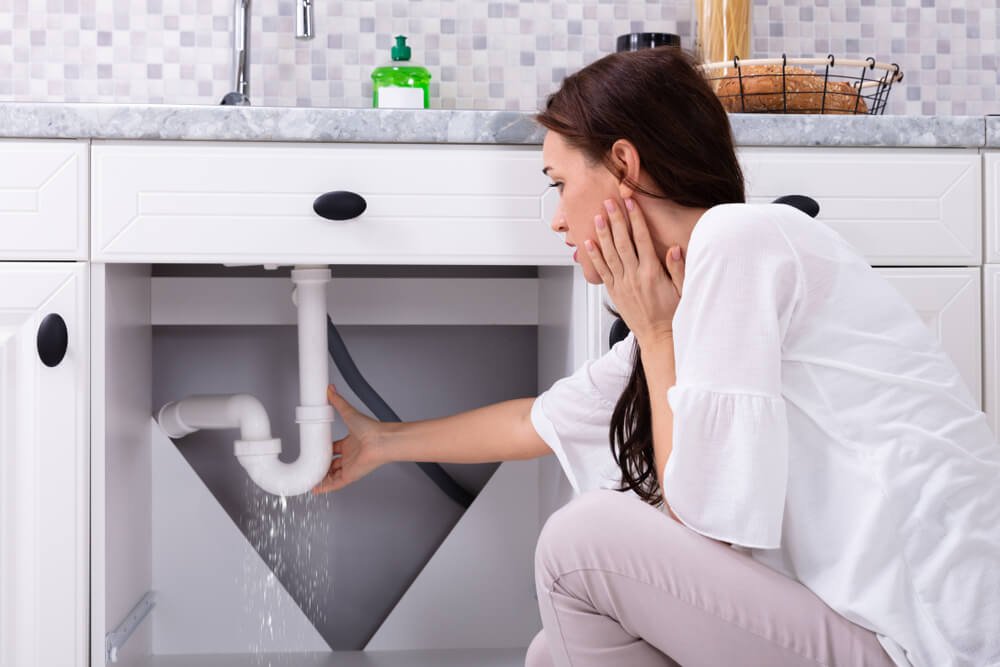
Understanding the Causes of Bathroom Pipe Dripping
The first step in fixing a bathroom pipe dripping is identifying the underlying cause. There are several reasons why pipes in your bathroom might start leaking, and knowing these can help you tackle the issue efficiently.
1. Worn-Out Seals
Over time, the seals in your plumbing system can wear out. When this happens, water can seep through, leading to a bathroom pipe dripping. Regular maintenance and timely replacement of these seals can prevent leaks.
2. Corrosion
Corrosion is another common reason for pipes to drip. Metal pipes, especially those made from iron or steel, are prone to rust over time. This can weaken the pipe structure, causing leaks. Using corrosion-resistant materials for pipes can mitigate this issue.
3. High Water Pressure
Excessive water pressure can stress your plumbing system, leading to leaks. Monitoring and maintaining the recommended water pressure levels can help prevent a bathroom pipe dripping. Install a pressure regulator if necessary.
4. Loose Connections
Loose connections in the plumbing system can also cause bathroom pipe dripping. Regularly checking and tightening these connections can prevent leaks from developing.
Solutions for Fixing Bathroom Pipe Dripping
Once you’ve identified the cause of the bathroom pipe dripping, you can take steps to fix it. Here are some practical solutions:
1. Replace Worn-Out Seals
If worn-out seals are the issue, replacing them with new ones can effectively stop the leak. Ensure you use high-quality seals to prolong their lifespan.
2. Address Corrosion
For corrosion issues, replacing the affected sections of the pipe is essential. Consider using PVC or copper pipes as they are less prone to corrosion.
3. Adjust Water Pressure
If high water pressure is causing the leak, installing a pressure regulator can help. This device controls the water pressure entering your plumbing system, reducing the risk of leaks.
4. Tighten Connections
Regularly inspect and tighten all plumbing connections to ensure they are secure. This simple step can prevent many leaks from occurring.
Preventing Future Bathroom Pipe Dripping
Prevention is always better than cure. Here are some tips to avoid bathroom pipe dripping in the future:
1. Regular Maintenance
Schedule regular plumbing inspections and maintenance to catch potential issues early. This proactive approach can save you time and money in the long run.
2. Use Quality Materials
Invest in high-quality plumbing materials and fixtures. They may cost more upfront, but they will last longer and reduce the likelihood of leaks.
3. Monitor Water Pressure
Keep an eye on your home’s water pressure. If you notice any sudden changes, investigate and address them promptly.
4. Educate Household Members
Ensure everyone in the household understands the importance of plumbing care. Simple habits like not over-tightening faucets can go a long way in preventing leaks.
Addressing Dripping Noises
Sometimes, even after fixing a bathroom pipe dripping, you might still hear annoying dripping noises. This could be due to other factors such as bathroom acoustics. Consider consulting a professional to address this issue.
When to Call a Professional
While many bathroom pipe dripping issues can be resolved with DIY solutions, some situations require professional intervention. If you’ve tried the steps mentioned above and the leak persists, it’s time to call a plumber.
Complex Plumbing Systems
If your home’s plumbing system is complex or old, a professional can provide a thorough inspection and recommend the best solutions.
Persistent Leaks
For leaks that keep returning despite repairs, a professional can identify any underlying issues that might not be immediately apparent.
Conclusion
Dealing with a bathroom pipe dripping can be challenging, but understanding the causes and solutions can make the process easier. Regular maintenance, using quality materials, and monitoring water pressure are key to preventing future leaks. Don’t hesitate to seek professional help if needed.
FAQs
What should I do if my bathroom pipe is dripping?
First, identify the cause of the leak. Then, apply the appropriate solution, such as tightening connections or replacing seals. If the problem persists, consult a professional plumber.
Can high water pressure cause bathroom pipes to drip?
Yes, high water pressure can stress pipes, leading to leaks. Installing a pressure regulator can help maintain appropriate pressure levels.
How can I prevent bathroom pipe dripping in the future?
Regular maintenance, using quality materials, and monitoring water pressure are effective ways to prevent bathroom pipe dripping. Educating household members about plumbing care also helps.
For more information on hidden water leaks, visit Angi for an insightful article.
Additionally, you may find helpful resources on waterproof membranes, sink leak fixes, and toilet hose leaks on Valvex.
This article contains affiliate links. We may earn a commission at no extra cost to you.