Have you ever encountered the frustrating issue of bathroom leakage around tub? It’s a common problem that can lead to significant damage if not addressed promptly. Understanding the causes and solutions is crucial for maintaining a well-functioning bathroom. In this article, we’ll explore the various aspects of bathroom leakage and provide practical tips to help you resolve and prevent this issue.
Understanding the Causes of Bathroom Leakage Around Tub
The first step in tackling bathroom leakage around tub is identifying the root causes. Several factors can contribute to this problem, and recognizing them is essential for effective resolution.
Poor Sealing and Caulking
One of the most common causes of leakage is inadequate sealing and caulking around the tub. Over time, these materials can degrade, allowing water to seep through and cause damage. Regular inspection and maintenance are vital to ensure that seals and caulking remain intact.
Plumbing Issues
Plumbing problems can also lead to leakage around the tub. Faulty pipes, loose connections, or worn-out fittings can result in water escaping and accumulating in unwanted areas. It’s important to address any plumbing issues promptly to prevent further damage.
Structural Damage
Structural damage to the bathroom floor or walls can contribute to leakage around the tub. Cracks or gaps in the surfaces can allow water to penetrate, leading to extensive damage over time. Regular inspections and timely repairs are necessary to avoid such issues.
Solutions for Bathroom Leakage Around Tub
Once the causes are identified, implementing effective solutions is the next step in resolving bathroom leakage around tub. Here are some practical solutions to consider:
Resealing and Re-Caulking
To address leakage caused by poor sealing and caulking, it’s essential to reseal and re-caulk the affected areas. Removing old caulking and applying a fresh layer can significantly improve water resistance and prevent further leakage.
Plumbing Repairs
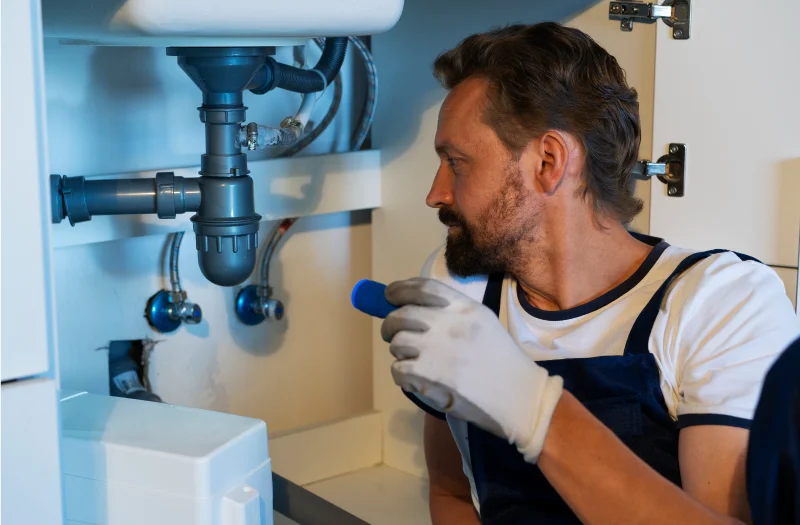
For plumbing-related issues, hiring a professional plumber to inspect and repair faulty pipes or connections is crucial. They can identify and fix any underlying problems, ensuring that water flows smoothly without causing leakage.
Structural Repairs
If structural damage is contributing to the leakage, it’s important to address it promptly. Repairing cracks or gaps in the bathroom floor or walls can prevent water from seeping through and causing further damage.
Preventing Bathroom Leakage Around Tub
Prevention is always better than cure, and taking proactive measures can help you avoid bathroom leakage around tub in the future. Here are some preventive tips to consider:
Regular Inspections
Conducting regular inspections of your bathroom can help you identify potential issues before they escalate. Check for signs of wear and tear in seals, caulking, and plumbing to address them promptly.
Proper Ventilation
Ensuring proper ventilation in the bathroom is essential for preventing moisture buildup, which can lead to leakage. Consider installing exhaust fans or opening windows to promote air circulation and reduce humidity levels.
Timely Maintenance
Regular maintenance of seals, caulking, and plumbing can prevent leakage around the tub. Replace worn-out materials and fix any issues promptly to avoid water damage.
For more detailed information, you can visit our article on Leak Behind Wall or check out our comprehensive guide on Fixing Bathroom Leaks.
Conclusion
Addressing bathroom leakage around tub is crucial for maintaining a functional and damage-free bathroom. By understanding the causes, implementing effective solutions, and taking preventive measures, you can ensure a leak-free bathroom environment. Remember, regular inspections and timely maintenance are key to preventing costly repairs and water damage.
FAQs
How can I tell if I have a leak around my tub?
Look for signs such as water stains, mold growth, or a musty odor in the bathroom. These could indicate a leak around the tub.
Can I fix a plumbing issue causing leakage on my own?
While minor issues can be addressed with DIY solutions, it’s best to hire a professional plumber for more complex plumbing problems.
How often should I reseal and re-caulk my tub?
It’s recommended to reseal and re-caulk your tub every few years or whenever you notice signs of wear and tear.
For additional insights on leak prevention, visit the EPA’s Fix a Leak Week page or explore more tips on Mold from Bathroom Leak.
This article contains affiliate links. We may earn a commission at no extra cost to you.