Dealing with a bathroom leak can be a daunting task. However, choosing the right bathroom leak sealant is crucial in addressing the problem efficiently. In this guide, we’ll explore the various aspects of bathroom leak sealants and how they can be applied to ensure your bathroom remains dry and functional.
Understanding Bathroom Leaks
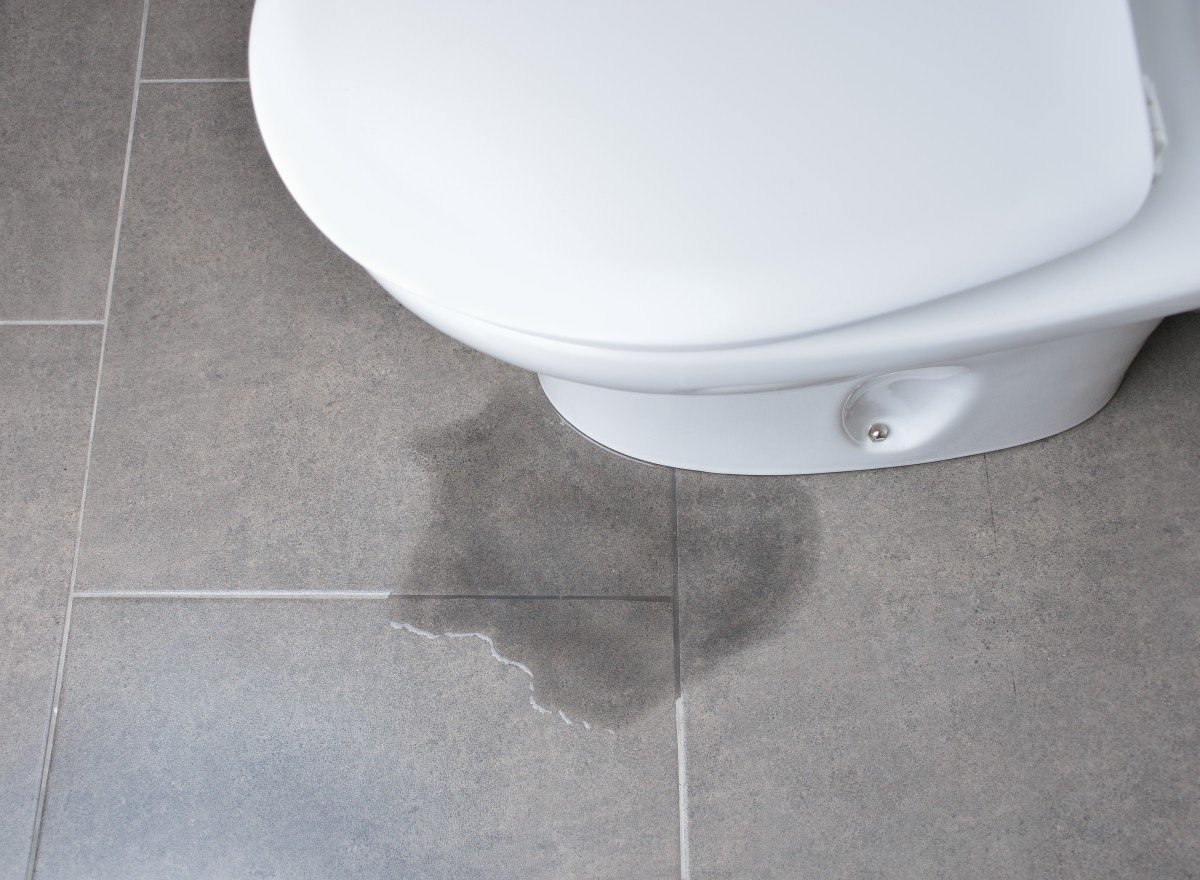
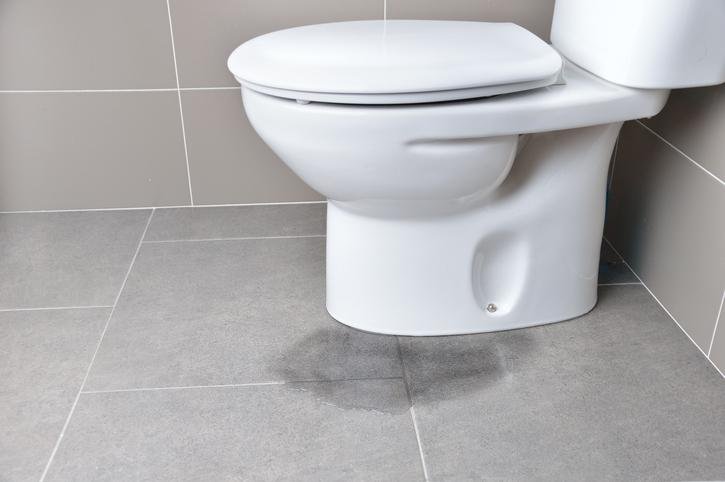
Bathroom leaks are common issues that can cause significant damage if not addressed promptly. Whether it’s a dripping faucet, a leaking toilet, or a crack in the tile, understanding the source of the leak is critical. The most common sources of bathroom leaks are worn-out seals, faulty pipes, and cracks in the fixtures.
Why Use a Bathroom Leak Sealant?
Using a bathroom leak sealant offers several benefits. It provides a waterproof barrier that prevents water from seeping through cracks and crevices. Sealants are easy to apply and can be used on a variety of surfaces, including tiles, porcelain, and metal. Moreover, they are cost-effective solutions that can save you money on extensive repairs.
Types of Bathroom Leak Sealants
Silicone Sealants
Silicone sealants are popular choices for bathrooms due to their flexibility and water resistance. They adhere well to most surfaces and offer a long-lasting seal that can withstand temperature changes and moisture.
Polyurethane Sealants
Polyurethane sealants are known for their strong adhesive properties. They are ideal for sealing joints and gaps in bathroom fixtures. However, they may not be as flexible as silicone sealants.
Acrylic Sealants
Acrylic sealants are easy to apply and paintable, making them suitable for areas where aesthetics are important. However, they may not be as durable as silicone or polyurethane sealants in high-moisture environments.
How to Apply Bathroom Leak Sealant
Applying a bathroom leak sealant requires careful preparation. Start by cleaning the area thoroughly to remove any dirt or old sealant. Ensure the surface is dry before application. Use a caulking gun to apply the sealant evenly, following the manufacturer’s instructions. Allow the sealant to dry completely before using the bathroom.
Signs of a Bathroom Leak
Identifying a bathroom leak early can prevent extensive water damage. Look for signs such as water stains on the ceiling, mold growth, or a musty odor. These indicators can help you pinpoint the source of the leak and address it promptly. For more information on fixing bathroom leaks, visit how to fix a bathroom leak.
Maintaining Your Bathroom Sealant
Regular maintenance of your bathroom sealant is essential to ensure its effectiveness. Inspect the sealant periodically for any signs of wear or damage. Reapply the sealant as needed to maintain a watertight seal.
Common Mistakes to Avoid
Avoid applying sealant on a wet surface, as it may not adhere properly. Ensure that the sealant is compatible with the material you are sealing. Overlooking these factors can lead to ineffective sealing and potential leaks.
Professional vs. DIY Sealant Application
While applying a bathroom leak sealant can be a DIY project, some situations may require professional assistance. Complex leaks or extensive damage may necessitate the expertise of a plumber. For professional advice, check out bathroom wall leak.
Environmental Considerations
When choosing a sealant, consider its environmental impact. Opt for products with low VOC emissions and those that are safe for indoor air quality. Environmentally friendly sealants are a responsible choice for homeowners.
Cost of Bathroom Leak Sealants
The cost of bathroom leak sealants varies based on the type and brand. Silicone sealants tend to be more expensive than acrylic but offer greater durability. Consider your budget and the specific needs of your bathroom when selecting a sealant.
Frequently Asked Questions
What is the best sealant for bathroom leaks?
Silicone sealants are generally the best choice for bathroom leaks due to their flexibility and water resistance.
How long do bathroom sealants last?
Bathroom sealants can last between 5 to 20 years, depending on the type and quality of the product used.
Can I apply sealant over old sealant?
It’s best to remove old sealant before applying a new layer to ensure proper adhesion and effectiveness.
Conclusion
Choosing the right bathroom leak sealant is essential for maintaining a dry, functional bathroom. Understanding the types of sealants and how to apply them can help you address leaks effectively. Whether you choose to handle it yourself or seek professional help, ensuring a watertight seal will protect your home from water damage.
For more insights into bathroom leaks and solutions, visit this guide.
This article contains affiliate links. We may earn a commission at no extra cost to you.