
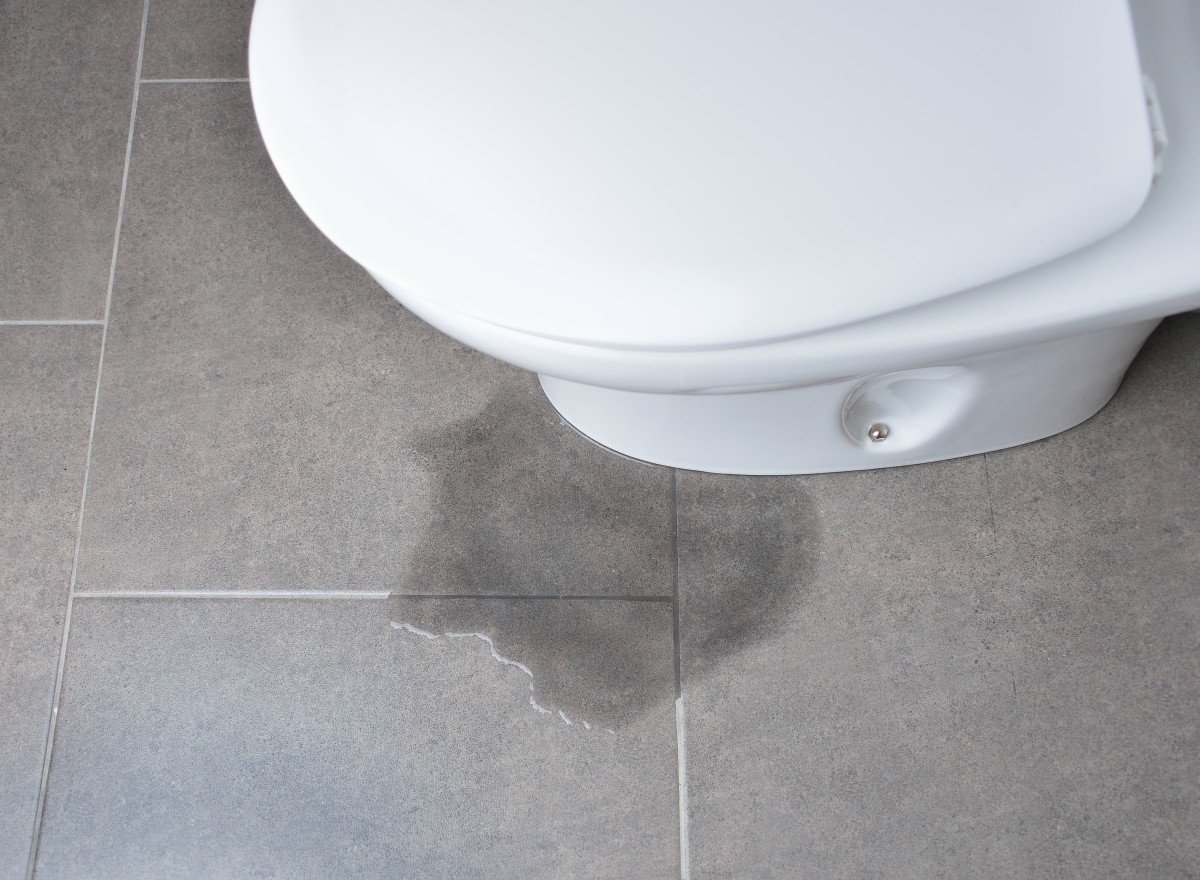
Having a bathroom subfloor wet is a common yet concerning issue faced by many homeowners. It not only poses the risk of structural damage but also creates an environment for mold and mildew growth. Addressing this issue promptly is crucial to maintaining the integrity of your home.

Understanding the Causes of a Wet Bathroom Subfloor
Identifying the root cause of a bathroom subfloor wet is the first step in tackling the problem. There are several reasons why water might find its way under your bathroom floor.
Leaky Plumbing Fixtures
One of the most common causes is leaky plumbing fixtures. Over time, pipes and fittings can degrade, leading to small leaks that gradually seep into the subfloor.
Ineffective Waterproofing
Without proper waterproofing membranes, water from showers and sinks can penetrate the floor and reach the subfloor. This often happens when the initial installation was not done correctly.
Cracked Tiles or Grout
Cracks in tiles or grout lines provide a direct pathway for water to reach the subfloor. Regular inspection of tiles and grout is important to prevent this issue.
Condensation and Humidity
High humidity levels in the bathroom can lead to condensation, which can accumulate over time and result in a damp subfloor.
Inspecting Your Bathroom for Water Damage
Regular inspections can help catch problems before they escalate. Here are some signs to look out for:
Soft Spots on the Floor
If you notice any soft or spongy areas on your bathroom floor, it’s a clear indication that moisture has seeped into the subfloor.
Musty Odors
A persistent musty smell is often a sign of mold growth, which thrives in damp environments.
Visible Mold or Mildew
Mold and mildew can appear on walls, floors, or even the ceiling. Their presence usually indicates a moisture problem.
Effective Solutions for a Wet Bathroom Subfloor
Once you’ve identified the cause, the next step is to implement a solution. Here are some strategies:
Repairing Leaks
Addressing leaks is crucial. This might involve re-caulking joints or replacing faulty plumbing fixtures.
Enhancing Waterproofing
Consider applying a new sealant for tiles or installing additional waterproofing membranes to prevent future seepage.
Repairing or Replacing Damaged Tiles
If there are visible cracks, the tiles or grout should be repaired or replaced. This can effectively prevent water from reaching the subfloor.
Improving Ventilation
Installing an exhaust fan can help reduce humidity levels and prevent condensation-related issues.
Preventing Future Moisture Problems
Prevention is always better than cure. Here are some preventive measures you can take:
Regular Maintenance Checks
Conducting regular maintenance checks can help identify potential issues before they become significant problems. Make it a habit to inspect tiles, grout, and plumbing fixtures.
Sealing and Re-Sealing
Sealing tiles and grout can create a barrier against water penetration. Ensure to reseal periodically for continued protection.
Monitoring Humidity Levels
Use a hygrometer to monitor bathroom humidity levels. Keeping these levels in check can prevent excess moisture accumulation.
Installing Quality Fixtures
Investing in high-quality plumbing fixtures can save you from frequent leaks and repairs.
When to Call a Professional
While minor issues can be handled independently, it’s essential to know when to call in the professionals. If the damage is extensive or you suspect structural issues, professional intervention is crucial.
Conclusion
Addressing a bathroom subfloor wet issue promptly can save you from costly repairs and ensure the safety and integrity of your home. By understanding the causes, implementing effective solutions, and taking preventive measures, you can keep your bathroom in optimal condition.
FAQ
What are the first signs of a wet subfloor?
The first signs typically include soft spots on the floor, musty odors, and visible mold.
How can I prevent my bathroom subfloor from getting wet?
Regular maintenance checks, sealing tiles and grout, and ensuring proper ventilation can help prevent moisture issues.
Should I repair or replace a damaged subfloor?
If the damage is extensive, it’s advisable to replace the subfloor. For minor damage, repairs might suffice.
For more insights and detailed guides on bathroom maintenance, visit The Waterworks.
This article contains affiliate links. We may earn a commission at no extra cost to you.