
In the world of home improvement, ensuring your bathroom is in top condition is crucial. A key aspect of maintaining your bathroom’s integrity is bathroom grout waterproofing. By taking steps to effectively waterproof your grout, you not only preserve the beauty of your tiles but also protect your home from potential water damage.
In this article, we will explore the essentials of bathroom grout waterproofing. From understanding why it’s important to learning about the different methods available, we’ve got you covered. Additionally, we will provide practical tips to help you achieve long-lasting results.
Why Is Bathroom Grout Waterproofing Important?
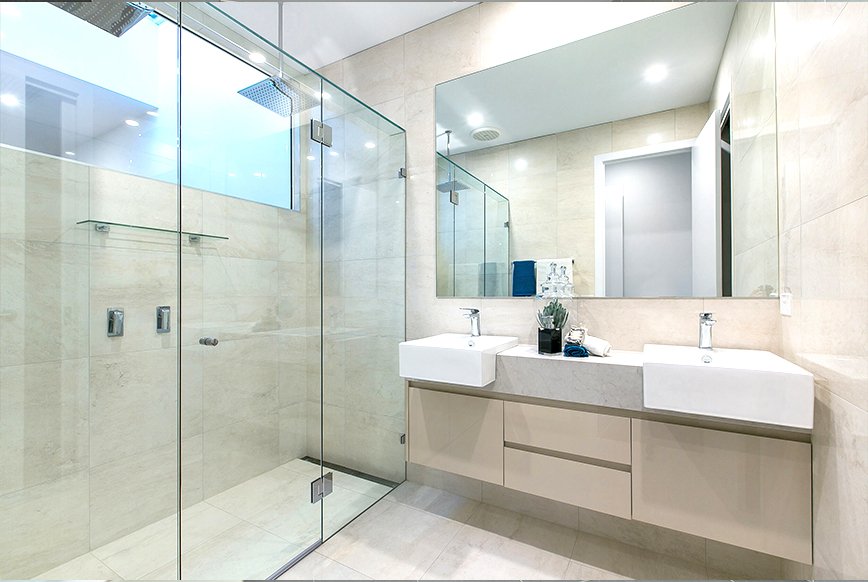
The bathroom is one of the most moisture-prone areas in any home. Without proper waterproofing, grout can become a breeding ground for mold and mildew. This not only affects the aesthetics of your bathroom but also poses health risks.
Moreover, water can seep through unsealed grout, leading to structural damage. This can result in costly repairs down the line. Investing in bathroom grout waterproofing protects your home and saves you money in the long run.
Understanding Grout and Its Vulnerabilities
Grout is a porous material used to fill the gaps between tiles. Its porous nature makes it susceptible to water penetration. Over time, if not properly sealed, grout can deteriorate, leading to water damage.
It’s essential to choose the right type of grout for your bathroom. Cement-based grout is common but requires regular sealing. On the other hand, epoxy grout is more resistant to water but is also more challenging to work with.
Choosing the Right Grout Sealer
A crucial step in bathroom grout waterproofing is selecting the appropriate sealer. There are two main types of sealers: penetrating sealers and membrane-forming sealers.
Penetrating sealers soak into the grout, providing long-lasting protection. They are ideal for bathrooms as they do not form a surface layer that can wear away. Membrane-forming sealers, however, create a barrier on the surface of the grout.
Steps to Waterproof Your Bathroom Grout
- Clean the grout thoroughly: Before applying any sealer, ensure your grout is clean and dry. Use a grout cleaner to remove any dirt, mold, or mildew.
- Apply the sealer: Use a brush or roller to apply the sealer evenly. Be sure to cover all grout lines thoroughly.
- Allow the sealer to cure: Follow the manufacturer’s instructions for curing times. This step is crucial for ensuring the sealer penetrates the grout effectively.
- Test for water resistance: After curing, sprinkle water on the grout lines. If the water beads up, your grout is effectively sealed.
Common Mistakes to Avoid
While bathroom grout waterproofing is a straightforward process, there are some common mistakes to avoid:
- Skipping the cleaning step: Applying sealer over dirty grout reduces its effectiveness.
- Using the wrong type of sealer: Ensure you choose a sealer suitable for your specific grout type.
- Not reapplying sealer: Over time, sealers can wear off. Regular reapplication is necessary to maintain protection.
Additional Tips for Maintaining Waterproof Grout
To ensure your bathroom grout remains waterproof, consider these additional tips:
- Regularly inspect grout lines for signs of damage or wear.
- Clean spills and moisture promptly to prevent mold growth.
- Consider using a grout additive for added water resistance.
When to Seek Professional Help
While many homeowners can handle bathroom grout waterproofing as a DIY project, there are instances where professional help is advisable. If you notice significant damage or widespread mold, consulting with a professional is recommended.
Professionals have the expertise and tools needed to address complex issues effectively. They can also provide guidance on the best products for your specific situation.
Tile sealant guidance
Understanding the role of tile sealants can further enhance your bathroom’s durability and appearance.
Ceiling leak signs
Being aware of potential ceiling leaks can help you address issues before they escalate.
Checking for leaks
Learn more about identifying hidden leaks to ensure your bathroom remains in top condition.
FAQ
How often should I reapply grout sealer?
Reapply grout sealer every 1 to 2 years, depending on usage and the type of sealer used.
Can I use any sealer for my bathroom grout?
No, it’s essential to choose a sealer that is suitable for the specific type of grout used in your bathroom.
What are the signs that my grout needs resealing?
If water no longer beads up on the grout surface or if you notice discoloration or mold, it may be time to reseal.
This article contains affiliate links. We may earn a commission at no extra cost to you.