

In the ever-evolving world of industrial engineering, the introduction of AI valve for factories has marked a significant leap forward. These intelligent systems promise not just improved efficiency, but a transformation in the way factories operate.
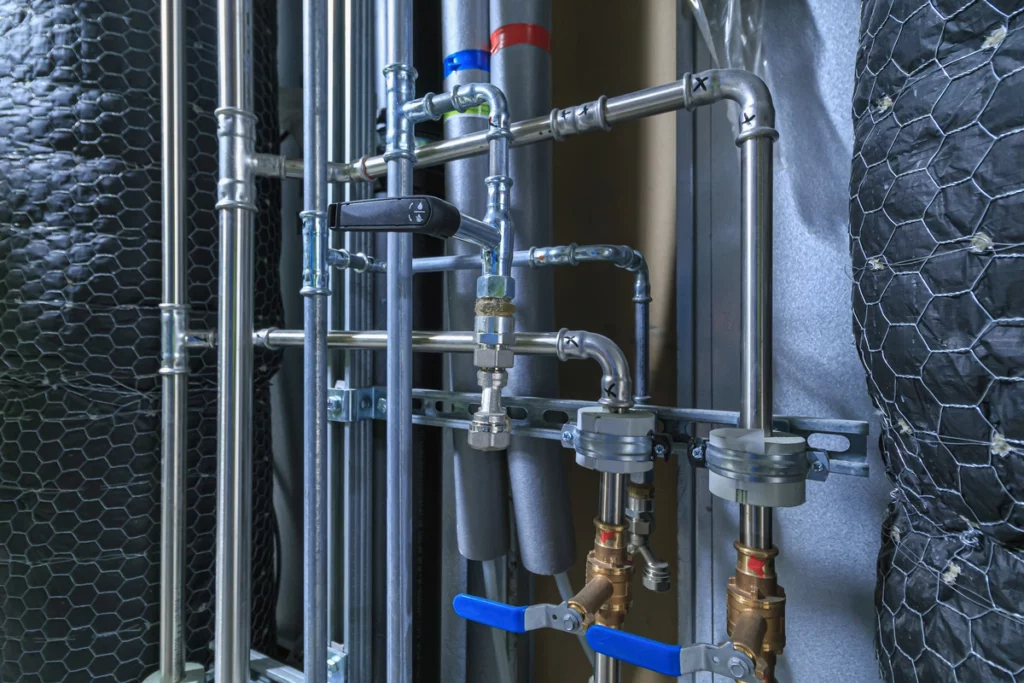
Understanding AI Valve Technology
The core concept of an AI valve lies at the intersection of traditional valve systems and cutting-edge artificial intelligence technology. By embedding AI into valves, factories can achieve a level of automation and control previously thought impossible.
Benefits of AI Valves in Industrial Settings
1. Enhanced Efficiency
AI valves streamline operations by providing precise control over processes. This precision reduces waste and increases operational efficiency.
2. Predictive Maintenance
By analyzing data in real-time, AI valves predict when maintenance is needed, thus preventing costly breakdowns and ensuring continuous operation. More information on how these systems function can be found on valve sensor systems.
3. Safety Improvements
AI valves enhance safety by automatically responding to hazardous conditions, thereby preventing accidents. They can be integrated with systems like voice assistant integration for added functionality.
How AI Valves Work in Factories
AI valves integrate sensors and data analytics to provide a comprehensive overview of industrial processes. They are capable of adjusting operations dynamically based on real-time data inputs.
Industry Impact of AI Valve Integration
4. Reduction of Downtime
By predicting and preventing failures, AI valves minimize downtime, which is crucial for maintaining productivity and profitability.
5. Resource Optimization
These systems optimize resource use by accurately controlling the flow of materials through the production line, as detailed in systems with embedded sensors.
6. Customization and Scalability
AI valves offer high customization, accommodating specific factory needs. Their scalability ensures they grow along with the operational demands.
The Future of AI Valves
The future of AI valves in industrial settings is bright, with ongoing advancements promising even greater efficiency and safety. They are poised to be a cornerstone of Industry 4.0 innovations.
Overcoming Challenges
Adopting AI valves is not without challenges. Factories must consider initial investment costs, training personnel, and integrating with existing systems, but these hurdles are often outweighed by long-term benefits.
Frequently Asked Questions
What is the main advantage of AI valves?
The main advantage is significantly improved efficiency and reduced operational downtime.
How do AI valves predict maintenance needs?
AI valves use data analytics to monitor performance and identify early signs of wear or malfunction.
Are AI valves difficult to integrate into existing systems?
While there can be integration challenges, they are often manageable and worth the effort for the benefits provided.
This article contains affiliate links. We may earn a commission at no extra cost to you.