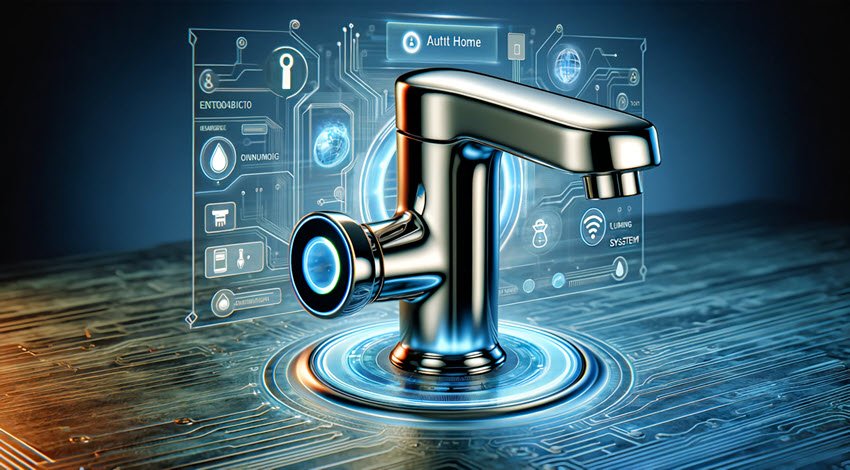
Introduction to AI Toilet Float Sensors
In the age of smart technology, AI toilet float sensors are making waves in the realm of water management and plumbing. These innovative devices are designed to optimize water usage, detect leaks, and contribute significantly to conservation efforts. Whether you’re an industrial engineer or a homeowner, understanding the impact of these sensors can lead to smarter and more efficient water management.
The advancement of AI toilet float sensors has the potential to revolutionize how we approach plumbing and water conservation. By incorporating artificial intelligence into these systems, we are witnessing a transformation in traditional restroom management practices. The fusion of AI technology with toilet float sensors offers a seamless and intelligent solution for monitoring and managing water levels and usage.
How AI Toilet Float Sensors Work
The core functionality of AI toilet float sensors lies in their ability to accurately measure water levels and predict usage patterns. These sensors utilize a mix of machine learning algorithms and real-time data to provide precise insights. By learning and adapting to the usage patterns, the sensors can alert users to potential issues, such as leaks or abnormal water usage, before they escalate into significant problems.
This proactive approach does not only help in conserving water but also in minimizing repair costs associated with undetected leaks or malfunctions. Industrial engineers are particularly keen on integrating this technology into large-scale operations where water management efficiency is crucial. For more detailed insights, check out this intelligent plumbing tech resource.
Benefits of Implementing AI in Plumbing
- Water Conservation: Accurate detection of water levels helps prevent wastage.
- Cost Efficiency: Early detection of leaks reduces repair costs.
- Predictive Maintenance: Forecasts potential future issues.
- Environmental Impact: Contributes to sustainable water usage.
Industries Benefiting from AI Toilet Float Sensors
Industries across the board are witnessing the advantages of adopting AI toilet float sensors. In particular, healthcare facilities, educational institutions, and hospitality industries are experiencing significant improvements in water usage efficiency and maintenance management.
Each of these sectors faces unique challenges when it comes to managing water resources. AI-integrated systems reduce manual monitoring and ensure a higher level of precision in water management efforts. You can explore more about this from the AI experts at AI valve control.
Adapting to Smart Technology
The journey towards fully adopting AI toilet float sensors involves not just technological integration but also cultural adaptation. Many industries may face initial resistance due to the perceived complexity of AI systems. However, as the benefits begin to manifest in cost savings and enhanced efficiency, these reservations tend to dissipate.
Challenges and Considerations
Like any emerging technology, AI toilet float sensors present some challenges. Initial setup costs, the need for regular updates, and cybersecurity concerns are valid issues that industries need to consider. Despite these challenges, the long-term benefits far outweigh the initial hurdles.
It is also important for organizations to choose the right AI technology partner, one who can provide consistent support and ensure seamless integration of AI into existing setups. For some insights on how AI is transforming plumbing, check out an interesting read on future of plumbing.
Future Prospects of AI in Plumbing
The role of AI toilet float sensors in plumbing is expected to expand as technology continues to evolve. As AI algorithms become more advanced, their ability to offer deeper insights and more precise predictions will only improve. Industrial engineers stand at the forefront of this transformation, leveraging AI to craft smarter and more efficient systems.
Reading Further and External Resources
For those interested in diving deeper into smart water management systems, the AI field offers a plethora of resources. The adoption of intelligent plumbing systems and AI-based water management tools is on the rise, promising a future where water resources are managed with unprecedented efficiency and foresight. To explore more, consider checking resources like artificial intelligence in plumbing.

FAQs
What are the primary benefits of using AI toilet float sensors?
The primary benefits include improved water conservation, early leak detection, predictive maintenance, and overall cost efficiency in water management.
Are AI float sensors cost-effective for large scale industries?
Yes, in the long run, the use of AI float sensors can significantly reduce costs related to water wastage and repairs by providing real-time insights and forecasts.
How secure are systems that use AI in toilets?
While cybersecurity is a consideration, reputable providers prioritize data protection and regularly update their systems to address any vulnerabilities.
This article contains affiliate links. We may earn a commission at no extra cost to you.