Eco-friendly plumbing upgrades are transforming how we think about water conservation and energy efficiency in our homes and industries. As awareness around environmental impacts grows, the need for sustainable plumbing solutions has never been more crucial. Engineers are at the forefront of this revolution, implementing technological advancements that not only benefit the environment but also improve operational efficiency.
In the quest for greener solutions, eco-friendly plumbing upgrades are gaining traction among people striving for sustainability in their daily lives. These upgrades incorporate cutting-edge technology and innovative designs to reduce water usage and energy consumption, making them essential for both residential and industrial settings.

Why Choose Eco-Friendly Plumbing?
Investing in eco-friendly plumbing upgrades offers multiple benefits including reduced utility bills, minimized environmental footprint, and enhanced system efficiency. By implementing these solutions, engineers and homeowners alike can make significant contributions to water conservation efforts.
Key Components of Eco-Friendly Plumbing
Water-Saving Fixtures
High-efficiency faucets, toilets, and showerheads are pivotal in reducing water usage. These fixtures are designed to perform optimally while using less water. Installing such water-saving devices can greatly lower water bills and promote sustainability.
Smart Plumbing Systems
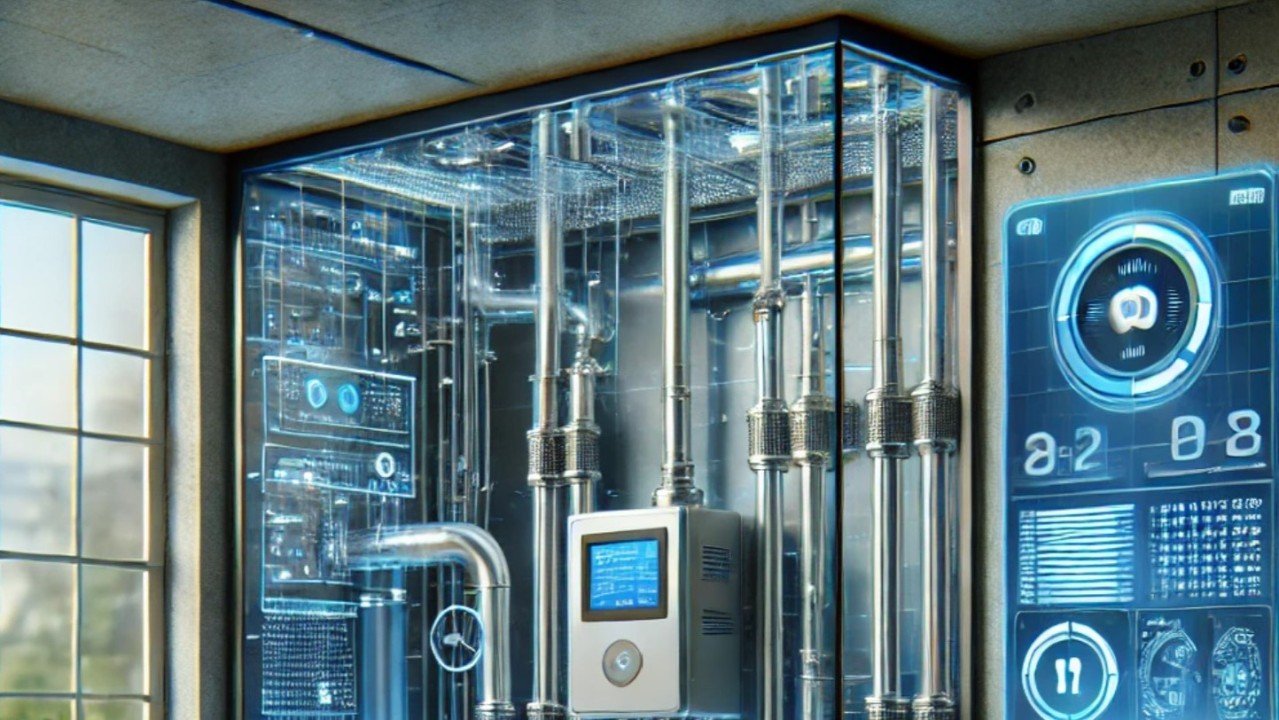
With the advent of smart technology, plumbing systems can now be equipped with sensors and AI to monitor and manage water usage more effectively. These systems provide data that help identify leaks or inefficiencies promptly. For instance, systems like the AI-driven bathroom safety devices are revolutionizing how quickly and effectively leaks can be addressed.
Energy-Efficient Water Heaters
Energy-efficient water heaters are designed to heat water using less energy, drastically reducing electricity consumption. Tankless water heaters and solar-powered systems are some examples that offer both cost savings and environmental benefits.
The Role of Engineers in Plumbing Upgrades
Engineers play a crucial role in designing and implementing these eco-friendly plumbing upgrades. They are responsible for ensuring that systems are not only efficient but also sustainable for the long term.
Designing Sustainable Systems
Industrial engineers are tasked with creating systems that maximize resource efficiency while minimizing waste. By using materials and designs that reduce environmental impact, engineers help in crafting long-lasting and sustainable plumbing solutions.
Implementing Technological Innovations
Incorporating AI and other advanced technologies into plumbing systems enhances their functionality and effectiveness. Solutions like the intelligent shutoff valves allow for precise control and monitoring of water usage, preventing wastage, and promoting conservation.
Ensuring Compliance and Standards
Engineers ensure that all plumbing upgrades comply with regulatory standards and efficiency benchmarks. They develop and execute plans that meet both industry standards and environmental guidelines.
Challenges in Implementing Eco-Friendly Upgrades
Despite their benefits, eco-friendly plumbing upgrades come with certain challenges such as initial cost, complexity of installation, and need for user education.
Cost Considerations
While these upgrades can lead to significant savings over time, the initial investment can be deterrent. However, long-term benefits in cost savings on energy and water bills make these systems a worthwhile investment.
Installation and Compatibility
Compatibility with existing systems can be a challenge. Engineers must carefully plan and execute installations to ensure new systems integrate seamlessly with older infrastructures.
User Training and Adaptation
Educating users on how to effectively utilize these advanced systems is imperative. This ensures that the systems are used optimally to achieve the desired conservation goals.
Successful Case Studies
Many industrial and residential applications demonstrate the effective use of eco-friendly plumbing upgrades. Companies like Podium have successfully leveraged AI to revolutionize plumbing processes, leading to increased efficiency and reduced environmental impact.
Industrial Implementations
In industrial settings, the integration of smart technology has led to substantial improvements in water and energy efficiency, showcasing the potential of these systems in large-scale applications.
Residential Success Stories
Homeowners adopting eco-friendly plumbing upgrades have reported significant reductions in their water usage and utility bills, demonstrating the tangible benefits of these systems.
Future Prospects
The future of plumbing lies in further advancement and integration of eco-friendly technologies. Innovations in materials, systems, and smart technology are expected to continually improve system efficiency.
New Technologies on the Horizon
Continuous research and development in materials and system designs promise more efficient and cost-effective solutions in the future, widening the scope of eco-friendly plumbing upgrades.
Global Impact
The global emphasis on sustainability will drive the adoption of these upgrades worldwide, as more communities recognize the value in conserving water and energy.
Conclusion
Adopting eco-friendly plumbing upgrades is a critical step towards achieving sustainability in plumbing practices. As engineers design and implement these systems, they create opportunities for resource conservation and environmental protection. By overcoming challenges and leveraging technological advancements, the path to sustainable plumbing is promising and vital.
FAQ
What are eco-friendly plumbing upgrades?
Eco-friendly plumbing upgrades involve incorporating technologies and designs that reduce water usage and energy consumption, contributing to sustainability.
How do these upgrades benefit homeowners?
Homeowners benefit from reduced utility bills and a smaller environmental footprint, alongside enhanced system efficiency.
What role do engineers play in these upgrades?
Engineers are responsible for designing and implementing efficient systems, ensuring sustainability, and compliance with industry standards.
This article contains affiliate links. We may earn a commission at no extra cost to you.