

Water conservation is an ever-pressing concern, and with good reason. Water, a precious resource, is dwindling due to excessive use and wastage. AI-powered leak shutoff solutions are at the forefront of new technologies, providing innovative methods to reduce water loss. In this article, we delve into how this technology functions and explore its advantages.
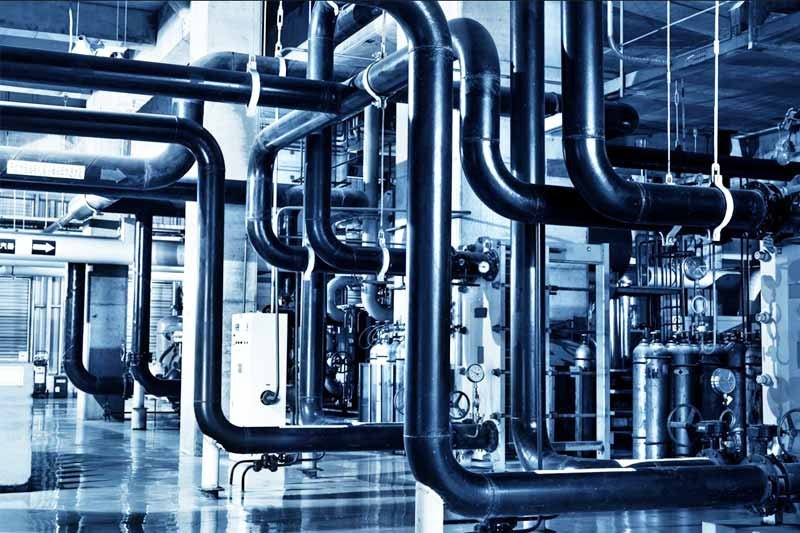
Introduction to AI-Powered Leak Shutoff
At its core, an AI-powered leak shutoff system detects and terminates leaks in water systems. These systems employ algorithms to monitor water flow, identifying inconsistencies or abnormalities that could indicate leaks. Once detected, the system automatically shuts off the water to prevent further loss.
How AI Technology Detects Leaks
Through integrating various sensors and employing AI algorithms, these systems exhibit astounding efficiency in leak detection. Sensors detect changes in water pressure, flow rate, and even unusual noises in pipes. The AI component analyzes this data to predict and pinpoint leak incidents.
The Role of Machine Learning in Leak Detection
Machine learning is pivotal in the evolution of leak detection. As the system gathers data over time, it becomes more adept at distinguishing between normal consumption patterns and leaks. This ongoing learning process is what makes AI systems exceptionally accurate and reliable.
Learning through Data Collection
AI-powered systems amass data continuously. This constant collection helps identify and correlate patterns, refining the systems leak detection capabilities.
Benefits to Industrial Engineers
For industrial engineers, the benefits of AI-powered leak shutoff systems are manifold. Not only do they ensure efficient water use, but they also dramatically reduce operational costs linked with water wastage and potential damage from undetected leaks.
Cost Efficiency and Resource Conservation
By minimizing water loss, these systems offer significant savings. Additionally, they contribute to sustainability, a key consideration in modern industrial practices. This article by Forbes elaborates on the broader impacts of AI in industrial fields, including environmental benefits.
Challenges in Implementing AI-Powered Solutions
Despite their advantages, integrating AI into existing infrastructure comes with challenges. It’s crucial to address these to maximize the benefits of AI-powered systems.
Infrastructure Integration
Existing infrastructure may require significant upgrades to accommodate AI technology, potentially entailing high initial costs. However, these expenditures are often offset by long-term savings in water conservation and reduced damage-related expenses.
Case Study: Success Stories
There are numerous instances where AI leak detection has successfully reduced water wastage. Bathroom Plumbing AI Alerts highlights how these systems effectively prevent bathroom leaks, one of the most common sources of water waste in residential and commercial buildings.
Real-World Application and Results
In various industries and locales, AI leak detection systems have demonstrated their usefulness. In one case, a municipality adopted AI systems across its public infrastructures, reducing water loss by up to 30% within the first year of implementation.
Future of Leak Detection Technology
As technology advances, the capabilities of AI in leak detection will continue to expand. The integration of Internet of Things (IoT) devices will further enhance these systems, offering more precise data and efficient detection.
Potential Developments
The fusion of AI with IoT is paving the way for smarter, more interconnected systems. These systems are capable of monitoring and managing water resources in unprecedented ways, promising a future where water wastage becomes a relic of the past.
Ensuring Sustainability with AI
AI-powered leak detection is more than a technological innovation; it is a step towards sustainability. By conserving water, we protect our ecosystems and ensure resources for future generations.
Conclusion
The advent of AI-powered leak shutoff systems marks a significant stride in water conservation efforts. By detecting and preventing leaks efficiently, they offer industrial engineers a robust tool to enhance sustainability and operational efficiency. Embracing these systems will undoubtedly have long-term positive impacts.

FAQs
How does AI improve leak detection accuracy?
AI improves accuracy by analyzing extensive data collected by sensors, continuously learning and adapting to recognize normal and aberrant patterns in water flow.
What are the main benefits for industrial engineers?
Industrial engineers benefit through reduced operational costs, improved sustainability practices, and enhanced efficiency in water usage.
Are there challenges to implementing AI solutions?
Yes, such as initial infrastructure upgrades and costs. However, these challenges are often counterbalanced by the significant long-term savings and efficiency gains.
This article contains affiliate links. We may earn a commission at no extra cost to you.