The integration of artificial intelligence into flood control systems has revolutionized how we manage water resources. The AI flood control system represents a significant advancement in predicting and preventing flood-related disasters. As we continue to confront the challenges posed by climate change, these systems provide a crucial tool for protecting communities and infrastructure. In this article, we will delve into the workings of AI-driven flood control, its benefits, challenges, and future prospects.
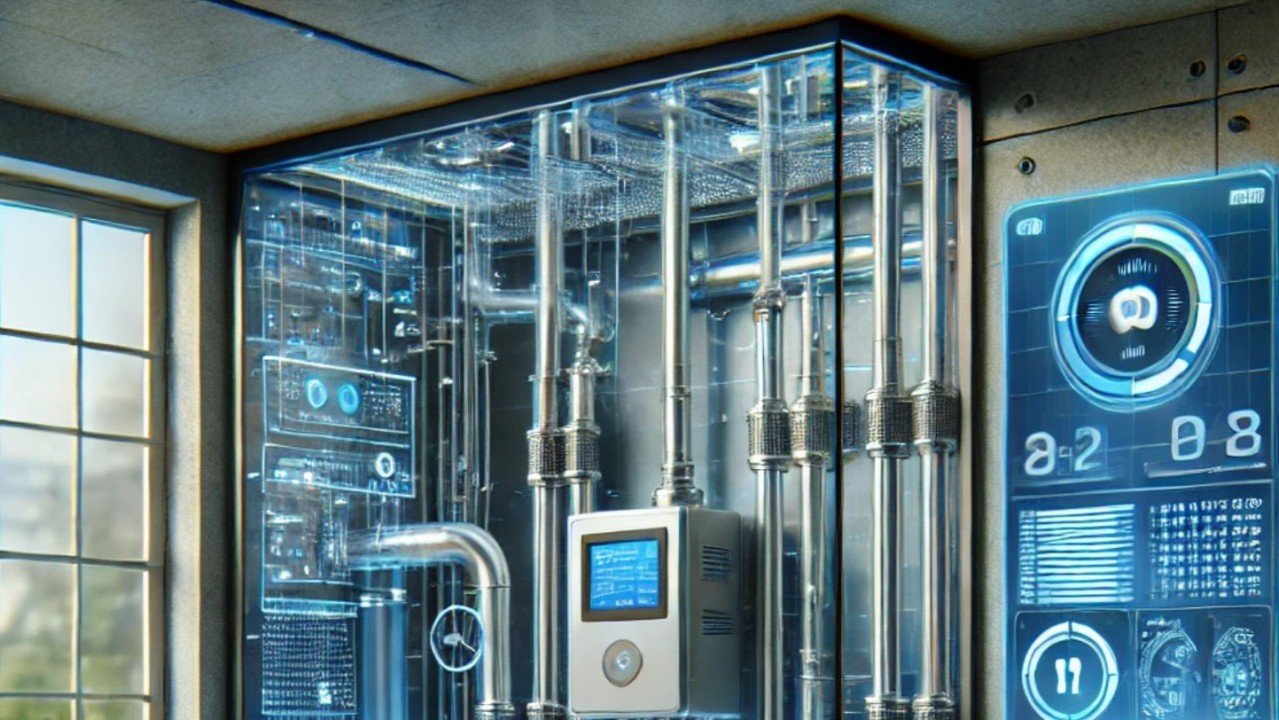
Understanding the AI Flood Control System
The AI flood control system leverages machine learning algorithms and data analytics to predict and manage potential flooding events. By analyzing vast amounts of meteorological data, these systems can forecast floods with remarkable accuracy, allowing for timely interventions.
How AI Enhances Flood Prediction
Artificial intelligence enables the processing of large datasets, including weather patterns, historical flood data, and real-time environmental conditions. This comprehensive analysis facilitates more accurate predictions, compared to traditional methods.
The Role of Sensors in AI Flood Control Systems
Sensors play a vital role in these systems. Installed in key locations, they collect real-time data on water levels, rainfall, and soil saturation. This information is crucial for AI models to assess flood risks accurately.
Benefits of AI Flood Control Systems
The adoption of AI technology in flood control offers numerous advantages. These systems not only improve prediction accuracy but also enhance the efficiency of response measures, ultimately minimizing damage and saving lives.
Timely Warnings and Evacuation Plans
With accurate predictions, authorities can issue timely warnings and implement effective evacuation plans. This proactive approach helps in safeguarding communities and ensuring their safety during flood events.
Infrastructure Protection
The AI flood control system also contributes to infrastructure protection. By analyzing data on water flow and pressure, it helps manage drainage systems and protect crucial infrastructure, such as bridges and roads, from flood damage.
To learn more about integrating AI into plumbing systems, visit water consumption tracking.
Challenges in Implementing AI Flood Control Systems
Despite their effectiveness, AI flood control systems face some challenges. The primary obstacles include data security concerns, the need for high-quality data, and the significant cost of system implementation.
Data Security and Privacy Concerns
The vast amount of data collected by these systems can lead to privacy and security concerns. Ensuring the protection of this data is paramount to maintaining public trust.
The Importance of Data Quality
AI models rely on high-quality data to make accurate predictions. Inaccurate or incomplete data can compromise the effectiveness of the system, highlighting the need for reliable data sources.
Explore more about AI technologies that enhance safety in plumbing through bathroom safety tech.
The Future of AI Flood Control Systems
The future of AI in flood control is promising. As technology advances, these systems will become even more sophisticated, leading to improved accuracy and reliability. The integration of AI with other technologies, such as IoT devices and cloud computing, will further enhance their capabilities.
Opportunities for Smart Cities
As cities evolve into smart cities, the AI flood control system will play a critical role in urban planning and infrastructure development. These systems will help in designing resilient cities capable of withstanding the impacts of climate change.
Global Adoption and Cooperation
International cooperation and knowledge sharing will be essential in harnessing the full potential of AI flood control systems. By learning from each other’s experiences, countries can implement more effective flood management strategies.
For insights on how AI boosts efficiency and safety, read this article on leveraging AI.
Conclusion
The AI flood control system marks a significant transformation in flood management practices. As these systems continue to evolve, they promise to offer even greater protection against the devastating impacts of floods. By investing in and implementing these technologies, we can create more resilient communities and safeguard both people and infrastructure from the threats posed by climate change.

Frequently Asked Questions
What are the key components of an AI flood control system?
The key components include machine learning algorithms, real-time environmental sensors, data analytics platforms, and communication networks for disseminating warnings.
How accurate are AI-based flood predictions?
AI-based predictions are generally more accurate than traditional methods due to their ability to process and analyze large datasets from various sources.
Can AI flood control systems be integrated with existing infrastructure?
Yes, AI systems can be integrated with existing infrastructure to enhance current flood management strategies. This integration helps improve prediction accuracy and response efficiency.
This article contains affiliate links. We may earn a commission at no extra cost to you.