Introduction
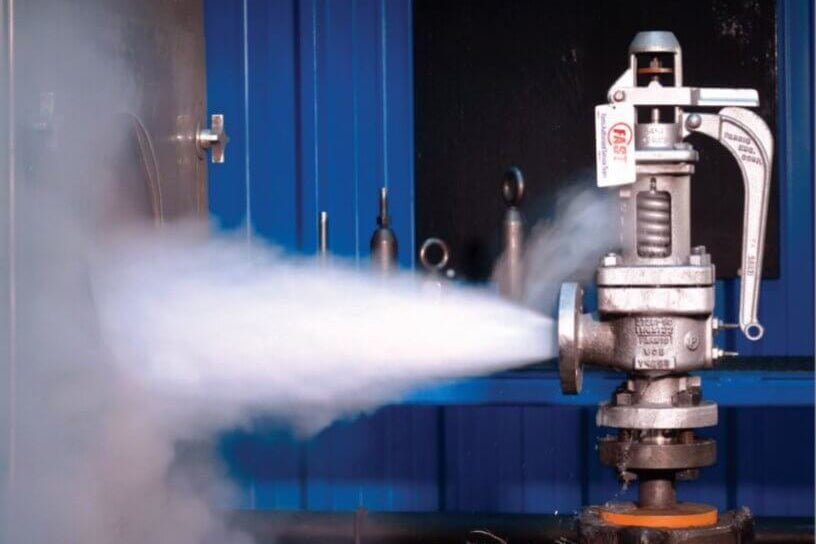
In the industrial sector, pressure relief valves (PRVs) are crucial for maintaining system safety and efficiency. Among various types, pilot-operated PRVs stand out due to their distinct advantages. Understanding these advantages is essential for industrial engineers and anyone involved in system maintenance or design.
What Are Pilot-Operated PRVs?
Pilot-operated PRVs are a type of pressure relief valve that use a pilot mechanism to control the main valve. This design allows for more precise pressure control and operational reliability. Unlike conventional PRVs, pilot-operated valves can handle higher set pressures and provide tighter sealing.
Key Advantages of Pilot-Operated PRVs
1. Enhanced Pressure Control
The primary advantage of pilot-operated PRVs is their ability to maintain precise pressure control. This is particularly valuable in systems where maintaining a specific pressure range is critical for operation and safety.
2. Improved Sealing Capabilities
Thanks to their design, these valves offer superior sealing. This reduces the risk of leaks and ensures that the system operates efficiently without unnecessary pressure loss.
3. Higher Set Pressure Range
Pilot-operated PRVs can handle higher set pressures compared to conventional valves. This makes them suitable for a wide range of applications, including those with extreme pressure conditions.
4. Reliable Operation in High-Pressure Systems
These valves are designed to perform reliably under high-pressure conditions, making them ideal for industries where such conditions are common. They provide peace of mind knowing that the system is protected against overpressure.
Applications of Pilot-Operated PRVs
The advantages of pilot-operated PRVs make them suitable for various applications, including:
- Oil and gas industry
- Chemical processing
- Power generation
- Water treatment facilities
Choosing the Right PRV
When selecting a PRV, consider factors such as the operating pressure, temperature, and the specific requirements of your application. For more information on proper PRV orientation, visit our detailed guide.
Installation and Maintenance Considerations
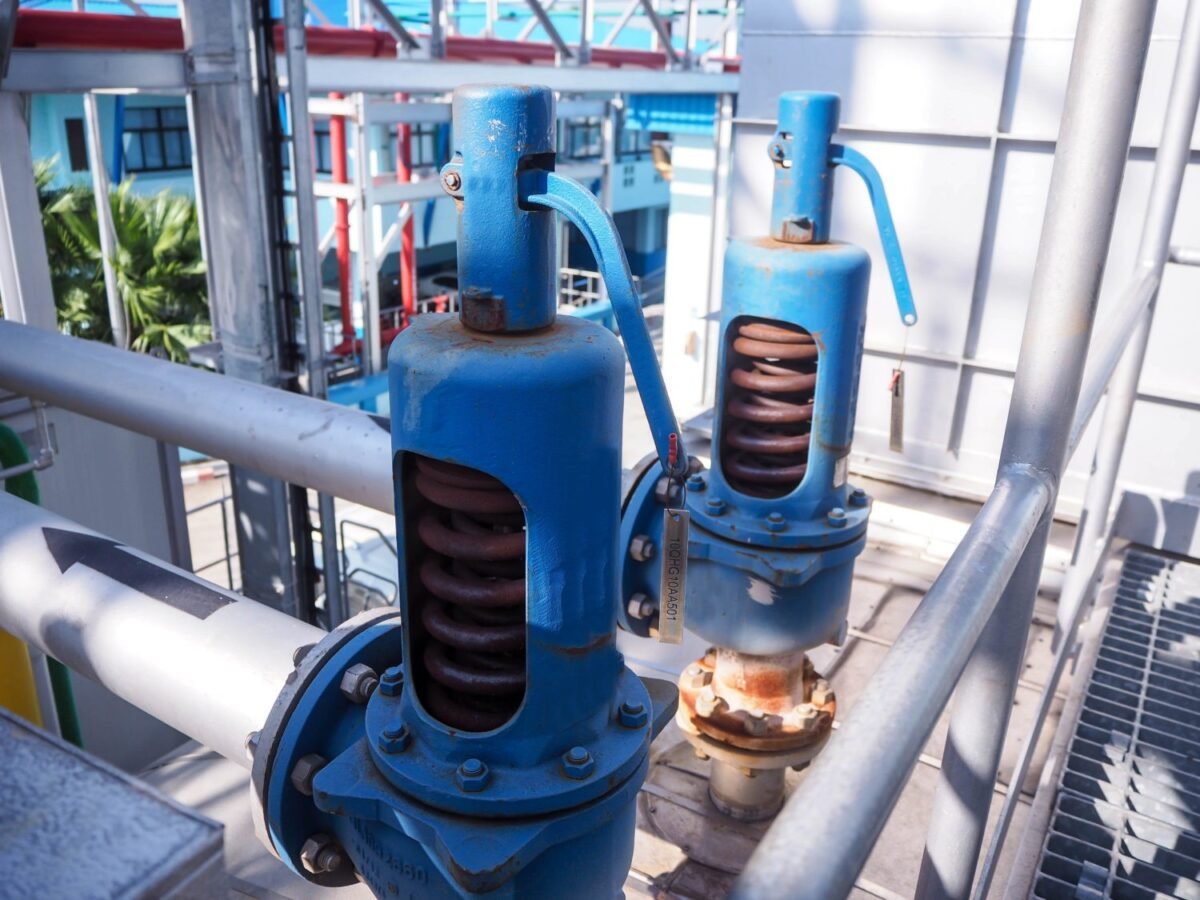
Proper installation and maintenance are vital for ensuring the longevity and functionality of pilot-operated PRVs. Regular inspections and adjustments help maintain optimal performance. For guidelines on PRV replacement procedures, refer to our comprehensive resource.
Comparison with Conventional PRVs
While conventional PRVs have their place, pilot-operated PRVs offer distinct advantages such as enhanced control and reliability. For an in-depth comparison, check out our article on pressure relief valves.
Common Challenges and Solutions
Despite their benefits, pilot-operated PRVs can face challenges such as pilot malfunctions and sensitivity to impurities. Regular maintenance and choosing the right seal materials can mitigate these issues. For more details on relief valve seal materials, explore our dedicated section.
Environmental and Economic Impact
By reducing leaks and maintaining system efficiency, pilot-operated PRVs contribute to environmental sustainability and cost savings. Their reliability minimizes downtime, which translates to economic benefits for industries.
Future Trends in PRV Technology
The future of PRV technology is promising, with advancements focusing on enhancing performance and adaptability. As industries evolve, so do the requirements for pressure relief solutions.
FAQs
Q1: What industries benefit most from pilot-operated PRVs?
A1: Industries such as oil and gas, chemical processing, and power generation benefit greatly due to the high-pressure conditions present.
Q2: How do pilot-operated PRVs improve safety?
A2: They offer precise pressure control, reducing the risk of overpressure situations, thus enhancing system safety.
Q3: Can pilot-operated PRVs handle corrosive environments?
A3: Yes, with the right materials and maintenance, these valves can function effectively in corrosive environments.
Conclusion
Understanding the advantages of pilot-operated PRVs is crucial for anyone involved in industries where pressure control is vital. Their enhanced control, reliability, and adaptability make them a preferred choice in modern industrial applications. For further insights into valve pressure settings, visit our expert guide.
This article contains affiliate links. We may earn a commission at no extra cost to you.