
Properly insulating the pipes in your heating system is a crucial step toward maintaining energy efficiency, reducing heat loss, and protecting your home from potential issues like freezing. With various insulation materials and installation methods available, it can be challenging to determine which option best fits your needs. This guide explores the main types of pipe insulation for heating systems, their benefits, important safety considerations, and how to make an informed choice for your property.
Understanding Pipe Insulation in Heating Systems
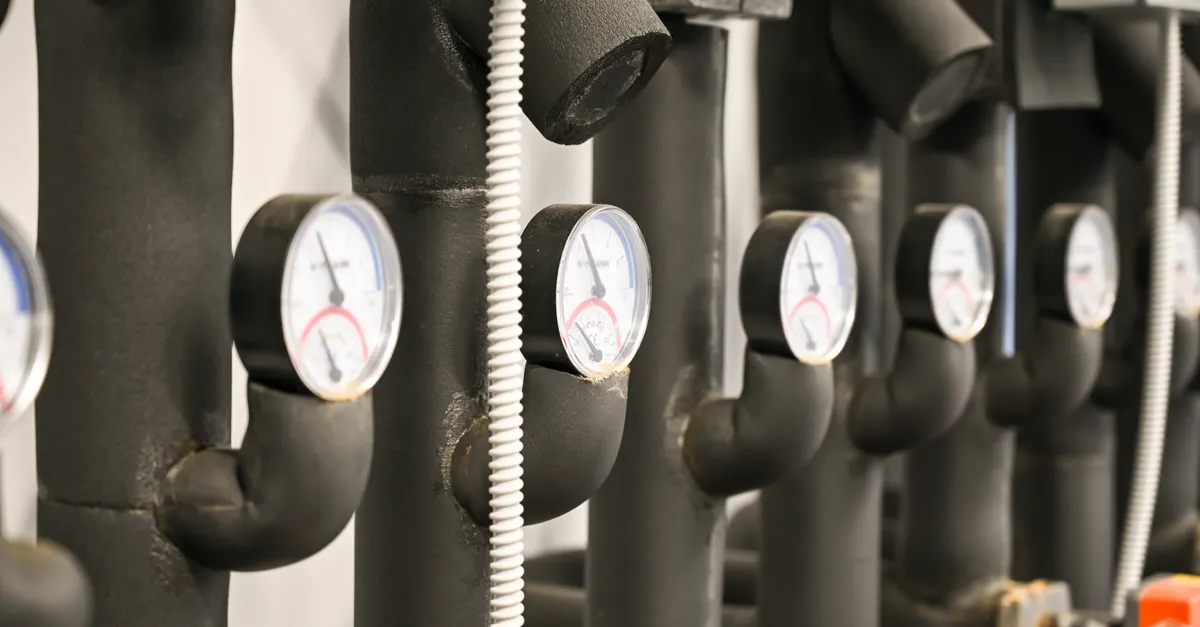
Insulating pipes in heating systems serves several important purposes. It helps retain heat as water or steam travels through the pipes, ensuring that energy is not wasted and rooms stay warm. In colder climates, insulation also acts as a protective barrier, reducing the risk of pipes freezing and bursting during winter. By minimizing heat loss, insulation contributes to lower energy bills and a more comfortable indoor environment.
Comparing Pipe Insulation Materials
Selecting the right material is a key step when considering pipe insulation for heating systems. Each material has unique properties, temperature ranges, and installation requirements. Here’s a detailed look at the most common options:
Fiberglass Insulation
Fiberglass insulation is widely used for both hot and cold service piping. According to product data, it is suitable for temperatures ranging from -20°F to 1000°F, making it a versatile choice for most residential and commercial heating systems. The material consists of fine glass fibers, often with a vapor barrier facing to prevent moisture absorption.
Pros:
- Excellent thermal performance across a wide temperature range
- Fire-resistant and does not support mold growth
- Widely available and relatively affordable
Cons:
- Can cause skin irritation during installation
- Requires proper sealing to prevent moisture ingress
- Less flexible than foam options
Closed-Cell Foam
Closed-cell foam insulation, such as polyethylene or rubber-based products, is popular for its flexibility and ease of installation. It is especially effective at preventing condensation and is often used on both hot and cold pipes. These foams typically handle temperatures up to around 220°F, so they are best suited for domestic hot water and low-pressure heating pipes.
Pros:
- Flexible and easy to cut or fit around bends
- Good resistance to moisture and condensation
- Lightweight and simple to install
Cons:
- Not suitable for extremely high-temperature applications
- May degrade if exposed to UV light without protection
- Can be less durable in mechanical rooms or high-traffic areas
Mineral Wool
Mineral wool, also known as rock wool or stone wool, is another option for thermal insulation in heating systems. It offers excellent fire resistance and sound dampening properties, making it suitable for commercial or multi-family buildings where noise reduction is a priority.
Pros:
- High fire resistance and non-combustible
- Good sound insulation properties
- Performs well at high temperatures
Cons:
- Heavier and more rigid than foam alternatives
- Can be more expensive
- Requires careful handling to avoid irritation
Other Materials
Other insulation materials, such as flexible elastomeric foam or specialty wraps, may be used for specific applications. These are typically chosen for unique environments or where additional resistance to chemicals or extreme conditions is required.
The Benefits of Insulating Heating System Pipes
Proper pipe insulation for heating systems delivers several tangible benefits:
- Energy efficiency: Insulation reduces heat loss as hot water or steam travels through pipes, meaning less energy is required to maintain desired temperatures.
- Cost savings: By minimizing wasted heat, homeowners can see a reduction in water heating costs. According to the Building America Solution Center, insulating hot water pipes can directly lower energy bills and improve system performance.
- Freeze protection: Insulated pipes are less likely to freeze and burst during cold weather, reducing the risk of water damage and costly repairs.
- Condensation control: Insulation helps prevent condensation on cold pipes, which can lead to corrosion or mold growth in humid environments.
- Comfort and system longevity: Consistent pipe temperatures contribute to more even heating and can extend the life of both pipes and heating equipment.
For those interested in broader energy savings, you may also want to explore how pipe insulation for energy conservation contributes to overall efficiency in both heating and cooling systems.
Key Considerations and Safety Guidelines for Installation
While installing pipe insulation for heating systems can be a straightforward process, there are important safety and practical considerations to keep in mind. The following guidelines help ensure a safe and effective installation:
Personal Protective Equipment
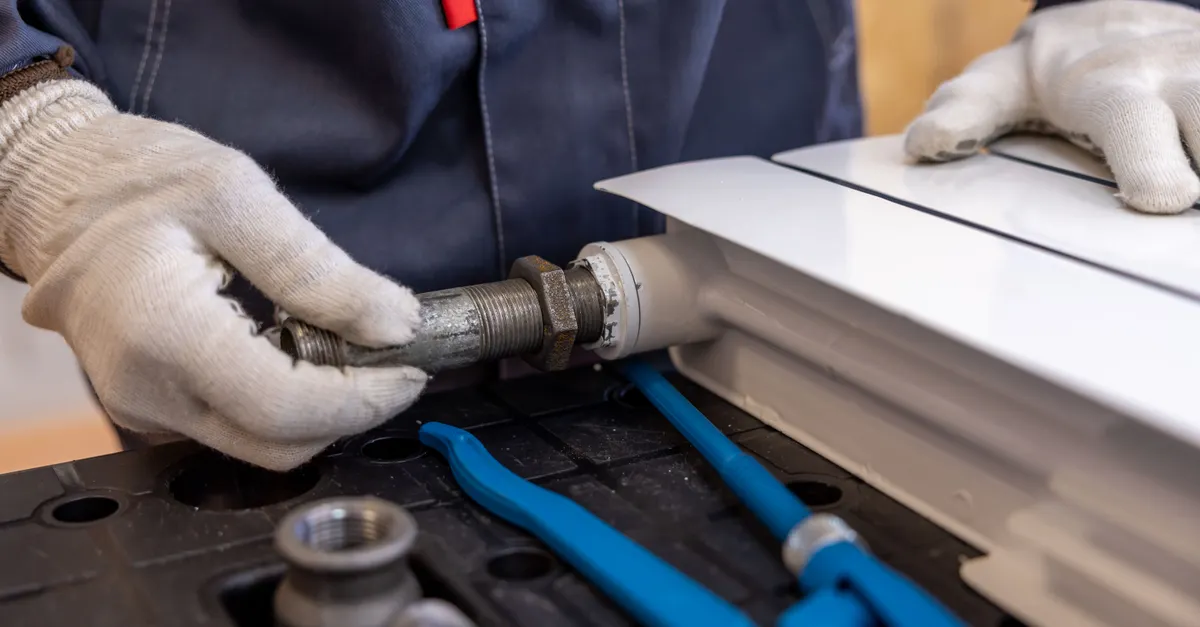
When handling materials like fiberglass or mineral wool, always wear gloves, long sleeves, and safety glasses to protect your skin and eyes from irritation. A dust mask is also recommended, especially if cutting or fitting insulation in tight spaces.
Material Handling and Preparation
Before starting, inspect pipes for leaks, corrosion, or damage. Only insulate pipes that are in good condition. Make sure the pipe surface is dry and clean to ensure proper adhesion and performance of the insulation. Use a sharp utility knife or specialized cutting tool to achieve clean, accurate cuts.
Safe Installation Practices
- Follow manufacturer instructions for each insulation type.
- Ensure all seams and joints are properly sealed to prevent heat loss and moisture ingress.
- Do not compress insulation, as this can reduce its effectiveness.
- Keep insulation materials away from open flames or high-heat sources unless rated for such conditions.
- Dispose of any waste material according to local regulations.
If you are unsure about the suitability of a particular insulation material or encounter complex piping layouts, it is best to consult a professional. Some installations, especially in commercial or multi-unit buildings, may require adherence to building codes or standards that a licensed contractor will be familiar with.
When to Seek Professional Help
While many homeowners can safely insulate accessible pipes, certain situations call for expert assistance:
- Dealing with asbestos or other hazardous materials
- Insulating pipes in confined or hard-to-reach spaces
- Uncertainty about material compatibility or fire safety requirements
- Large-scale or commercial projects
Professional installers have the experience and equipment to ensure the job is done safely and in compliance with local codes.
Conclusion and Practical Recommendations
Choosing the right pipe insulation for heating systems involves understanding the specific needs of your property, the types of pipes in use, and the operating temperatures involved. Fiberglass, closed-cell foam, and mineral wool each offer distinct advantages and are suited to different scenarios. Always prioritize safety by using appropriate protective gear and following best practices during installation.
For most residential settings, closed-cell foam or fiberglass will provide effective thermal insulation and energy savings. In environments where fire resistance or sound dampening is important, mineral wool may be the better choice. When in doubt, or if the installation involves complex systems or hazardous materials, seek guidance from a qualified professional.
By taking the time to select and install the right insulation, you can improve comfort, reduce energy costs, and extend the life of your heating system.
Frequently Asked Questions
What is the best material for insulating heating system pipes?
The best material depends on your specific needs. Fiberglass insulation is ideal for high-temperature pipes, while closed-cell foam works well for flexibility and condensation control. Mineral wool is preferred where fire resistance or sound dampening is important.
Can I install pipe insulation myself, or should I hire a professional?
Many homeowners can install insulation on accessible pipes using basic tools and safety gear. However, if you encounter hazardous materials, complex layouts, or are unsure about building codes, it’s safest to hire a professional.
How does pipe insulation help reduce energy costs?
Insulation minimizes heat loss as hot water or steam travels through pipes, so your heating system doesn’t have to work as hard. This leads to lower energy consumption and reduced utility bills.