Maintaining a properly functioning shower drain is essential for preventing plumbing issues and ensuring a clean bathroom environment. Knowing how to inspect shower drain monthly can save you from costly repairs and provide peace of mind. In this article, we will guide you through the steps to perform a thorough inspection, addressing potential problems and ensuring a smoothly operating drainage system.
Why Monthly Inspections are Important
Regular inspections help identify blockages, leaks, and other issues before they escalate. By making monthly checks a routine, you can ensure that your shower drain remains in top condition, reducing the risk of unpleasant odors, water damage, or clogged drains.
Tools Needed for Inspection
Basic Tools
To inspect your shower drain, you’ll need a few basic tools: a flashlight, a screwdriver, and a pair of pliers. These tools will help you access and examine the drain cover and the drain itself.
Advanced Tools
For a more detailed inspection, consider using a drain snake or a plumbing camera. These tools can help you identify hidden blockages and assess the condition of your pipes.
Step-by-Step Guide to Inspecting Your Shower Drain
Step 1: Remove the Drain Cover
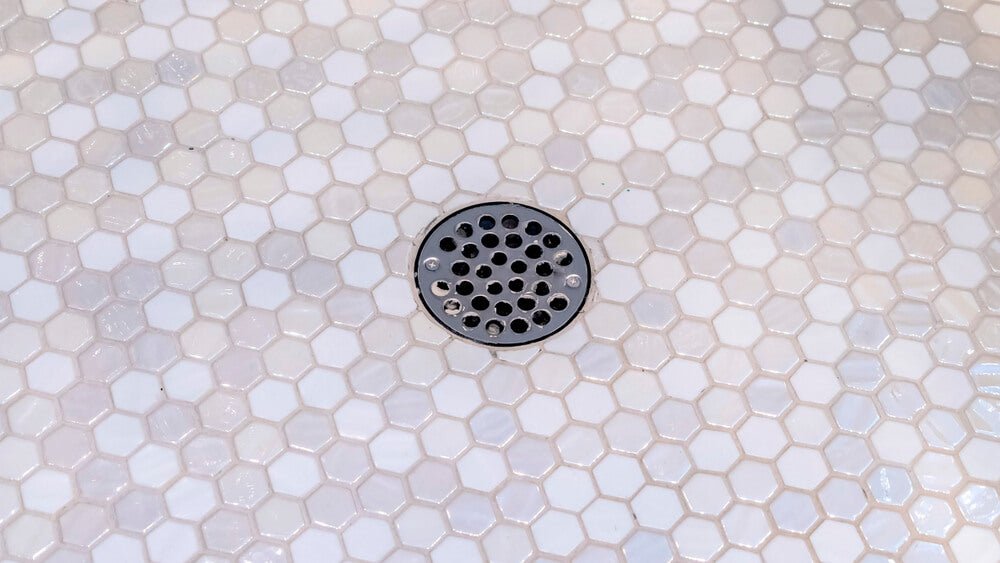
Begin by using a screwdriver to carefully remove the drain cover. Set the cover aside and ensure that it is clean and free of debris.
Step 2: Visual Inspection
Using a flashlight, inspect the interior of the drain for any visible blockages or signs of damage. Look for hair, soap scum, or other debris that may be hindering water flow.
Step 3: Check for Unpleasant Odors
Smell the drain to identify any unpleasant odors, which may indicate a blockage or buildup of bacteria. If you notice a foul smell, further cleaning may be necessary.
Step 4: Use a Drain Snake
If you suspect a blockage, use a drain snake to clear any obstructions. Insert the snake into the drain and gently twist it to remove debris. Be cautious not to damage the pipes.
Step 5: Inspect the Drain Pipes
If you have access to a plumbing camera, use it to inspect the drain pipes for any signs of damage or buildup that may not be visible from the surface.
Common Issues and Solutions
Clogged Shower Drain
A common issue is a clogged drain due to hair or soap residue. Regular cleaning and using a drain protector can prevent this problem.
Leaking Shower Drain
Leaks can occur due to worn-out seals or damaged pipes. Inspect the area around the drain for signs of water damage. Tighten or replace seals as needed to prevent further leaks. For more information, you can check the article on how to check shower drain.
Unpleasant Odors
Odors can result from bacterial growth in the drain. Regular cleaning with a mixture of vinegar and baking soda can help eliminate these smells. You can learn more about this issue by visiting drain smells.
Preventative Measures
Regular Cleaning
Clean your shower drain at least once a month to prevent clogs and odors. Use a mixture of vinegar and baking soda to break down residue and eliminate bacteria.
Install a Drain Protector
Installing a drain protector can help catch hair and debris before they enter the drain, reducing the risk of clogs.
Schedule Professional Maintenance
Consider hiring a professional plumber for an annual inspection. A professional can identify issues that may not be visible during a routine check.
Conclusion
By knowing how to inspect shower drain monthly, you can maintain optimal performance and avoid costly repairs. Regular inspections and preventative measures will ensure a clean and functional bathroom environment.
FAQs
How often should I clean my shower drain?
It’s recommended to clean your shower drain at least once a month to prevent clogs and odors.
What should I do if I find a leak?
If you discover a leak, inspect the seals and pipes for damage. Tighten or replace seals as necessary, and consider consulting a professional if the issue persists.
Can a clogged drain cause water damage?
Yes, a clogged drain can lead to water overflow and potential damage to your bathroom floor or surrounding areas.
This article contains affiliate links. We may earn a commission at no extra cost to you.