
Are you tired of dealing with rusty shower drains? You’re not alone. Rust can be a persistent problem, affecting both the appearance and functionality of your drain. In this article, we’ll explore shower drain rust prevention tips to help keep your bathroom pristine and your plumbing efficient. Whether you’re a homeowner or a professional in the plumbing industry, these tips will be invaluable.
Why Do Shower Drains Rust?
Understanding the root cause of rust is the first step in preventing it. Rust occurs when metal reacts with oxygen and moisture, leading to corrosion. Shower drains are particularly susceptible due to their constant exposure to water and humidity.
Common Materials for Shower Drains
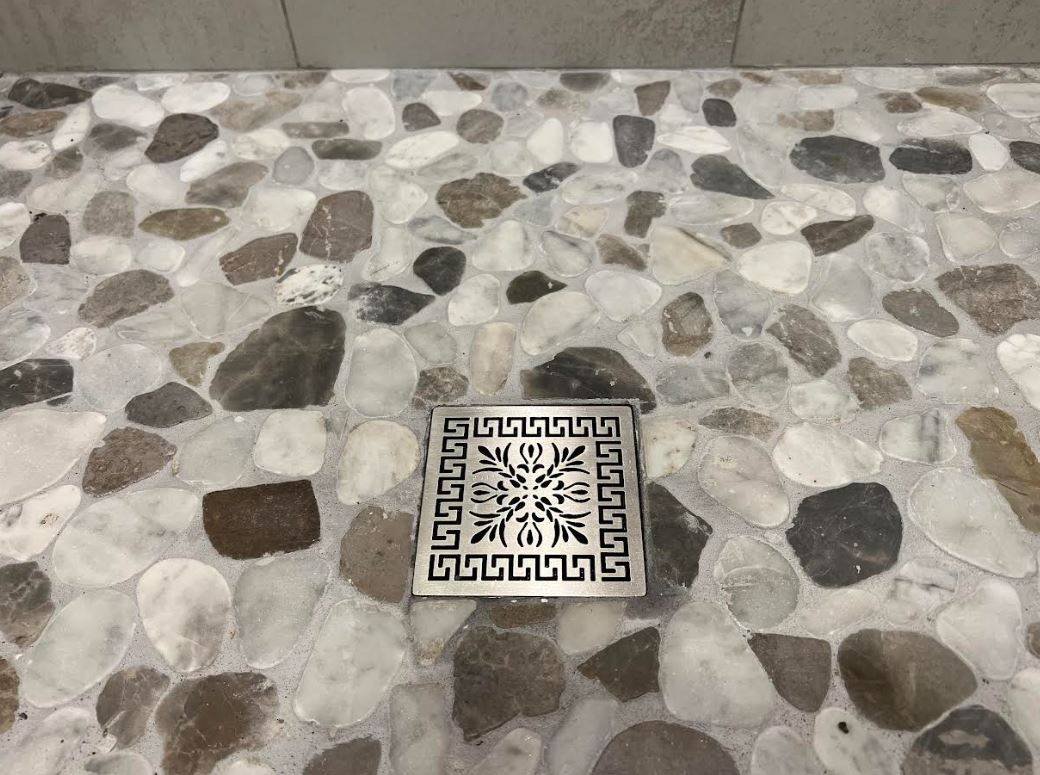
Most shower drains are made from metals like cast iron, galvanized steel, or stainless steel. While stainless steel is more resistant to rust, it is not entirely immune. Knowing the material of your drain can help you choose the best prevention methods.
Regular Maintenance: A Key to Prevention
One of the most effective rust prevention tips is regular maintenance. Keeping your shower drain clean and dry can significantly reduce the chances of rust forming.
Cleaning Techniques
Use a mixture of vinegar and baking soda to clean your drain monthly. This natural solution helps remove buildup and prevents rust. For more information on cleaning techniques, you can visit The Spruce.
Drying Methods
After showering, ensure the area around your drain is dry. Consider installing a fan or dehumidifier in your bathroom to control humidity levels.
Protective Coatings: An Extra Layer of Defense
Applying a protective coating to your shower drain can create a barrier against moisture.
Types of Coatings
Epoxy and rust-inhibiting paints are popular choices. These coatings can be applied annually to maintain their effectiveness.
Choosing the Right Shower Drain Material
If you’re renovating your bathroom or replacing an old drain, consider using materials that are less prone to rust.
Stainless Steel and Plastic Drains
Stainless steel and plastic drains are excellent options for rust prevention. While more expensive, they offer long-term savings by reducing maintenance costs.
Addressing Existing Rust
If you already have rust on your shower drain, it’s not too late to take action.
Removing Rust
Use a rust remover or a mixture of lemon juice and salt to scrub the affected area. For severe cases, replacing the drain might be necessary. Learn more about fixing a shower drain with this guide on fixing shower drains.
Preventing Clogs: A Complementary Strategy
Clogged drains can exacerbate rust issues by trapping moisture.
Regularly Unclogging Drains
Use a hair catcher and clean your drain regularly. For tips on unclogging, see unclogging shower drains.
Professional Help: When to Call an Expert
Sometimes, professional intervention is necessary to deal with severe rust issues.
Signs You Need a Plumber
If your drain is leaking or the rust is extensive, it may be time to consult a professional. They can assess the situation and recommend the best course of action.
The Impact of Water Quality
Water quality can significantly affect rust formation. Hard water, in particular, can accelerate corrosion.
Water Softeners
Installing a water softener can help reduce mineral deposits that contribute to rust.
FAQs
How often should I clean my shower drain?
It’s recommended to clean your shower drain at least once a month to prevent rust and clogs.
Can I prevent rust on an existing drain?
Yes, by applying protective coatings and keeping the area dry, you can reduce rust formation.
What should I do if my drain is already rusty?
Consider using a rust remover or consulting a professional for severe cases.
Conclusion
Preventing rust in your shower drain is achievable with regular maintenance, choosing the right materials, and addressing water quality issues. By implementing these shower drain rust prevention tips, you can extend the life of your drain and maintain a clean, efficient bathroom. For more comprehensive plumbing tips, visit Mr. Rooter.
This article contains affiliate links. We may earn a commission at no extra cost to you.