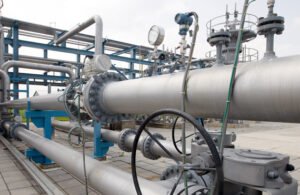
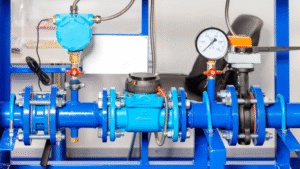
When it comes to industrial safety, understanding emergency venting using PRVs is crucial. Pressure Relief Valves (PRVs) are vital components in managing unexpected pressure surges within various systems. These valves ensure the integrity of equipment and safeguard against potential hazards. In this article, we delve into the importance of PRVs and their role in emergency venting.
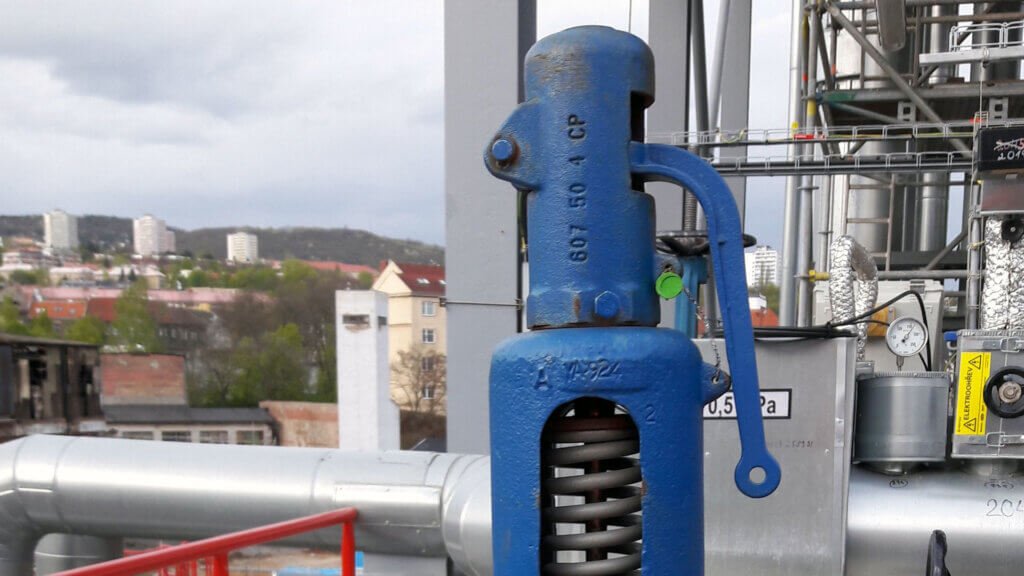
The Importance of Emergency Venting
In industrial environments, pressure build-up can occur due to various reasons such as thermal expansion, chemical reactions, or equipment failure. Without proper venting mechanisms, these pressures can lead to catastrophic failures. Emergency venting using PRVs plays a critical role in managing these risks by providing a controlled outlet for excess pressure.
What Are Pressure Relief Valves?
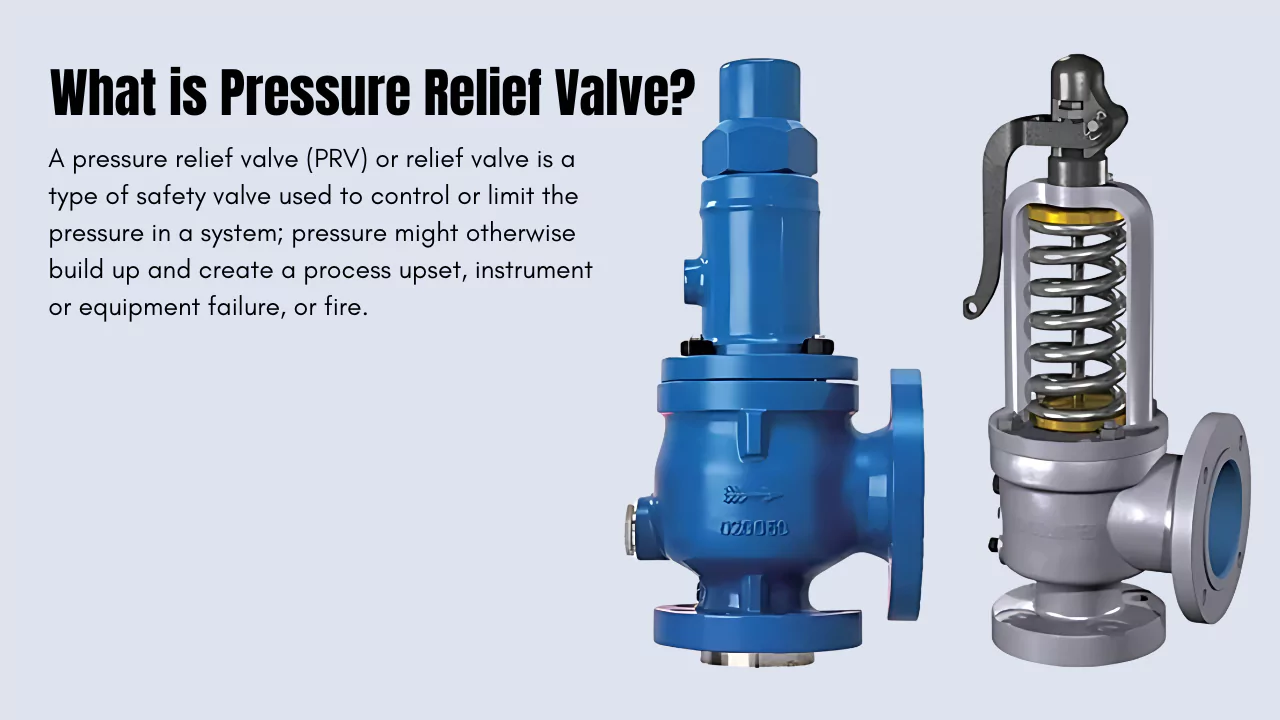
Pressure Relief Valves are devices designed to release pressure from a system when it exceeds a predetermined level. They are engineered to open at a specific set pressure and close once the pressure normalizes, ensuring that systems operate within safe limits.
Types of Pressure Relief Valves
There are several types of PRVs, each suited for different applications:
- Spring-loaded PRVs: Use a spring mechanism to release pressure.
- Pilot-operated PRVs: Use a pilot valve to control the main valve.
- Balanced bellows PRVs: Compensate for backpressure effects.
How PRVs Work
PRVs operate by responding to the pressure in a system. When the pressure exceeds the valve’s set point, the valve opens, allowing the excess pressure to escape. Once the pressure drops to a safe level, the valve closes, maintaining system integrity.
Applications of PRVs in Industry
PRVs are employed in various industries including oil and gas, chemical processing, and power generation. They are essential for protecting equipment such as boilers, pipelines, and storage tanks from overpressure conditions.
Oil and Gas Industry
In the oil and gas sector, PRVs are crucial for managing pressure in pipelines and storage facilities. They prevent explosions and leaks that could lead to environmental disasters.
Chemical Processing
In chemical plants, PRVs ensure that reactors and storage tanks operate safely by releasing excess pressure and preventing equipment damage.
Design Considerations for PRVs
Designing an effective PRV system involves several considerations, including the selection of the appropriate type of valve, determining the set pressure, and ensuring proper installation and maintenance.
Selecting the Right PRV
Choosing the right PRV involves understanding the specific requirements of the system, including the type of fluid, temperature, and pressure conditions. Designing for PRV Accessibility provides insights into selecting the most suitable PRV for different industrial applications.
Challenges in Emergency Venting
One of the main challenges in emergency venting using PRVs is ensuring that the valves operate reliably under varying conditions. Factors such as system backpressure and rapid pressure rise can impact the performance of PRVs.
System Backpressure
Impact of System Backpressure on PRV discusses how backpressure can affect the opening and closing of PRVs, potentially leading to system failures if not properly managed.
Rapid Pressure Rise
PRV Operation Under Rapid Pressure Rise highlights the importance of selecting PRVs that can respond quickly to sudden pressure increases, ensuring the safety of the system.
Maintenance and Testing of PRVs
Regular maintenance and testing of PRVs are essential to ensure their reliable operation. This includes checking for wear and tear, testing the set pressure, and ensuring proper alignment and orientation.
Proper PRV Orientation
Correct installation is critical for the effective functioning of PRVs. Proper PRV Orientation provides guidelines on the correct positioning and alignment of PRVs to ensure optimal performance.
Technological Advancements in PRVs
Advancements in technology have led to the development of more sophisticated PRVs with improved reliability and efficiency. These include smart PRVs that can be monitored and controlled remotely.
Smart PRVs
Smart PRVs are equipped with sensors and communication capabilities, allowing for real-time monitoring and control. This enhances the safety and efficiency of industrial systems by providing early warning of potential issues.
Conclusion
Emergency venting using PRVs is a critical aspect of maintaining safety in industrial environments. By understanding the function and importance of PRVs, industries can better protect their equipment and personnel from the dangers of overpressure scenarios. For more detailed information on pressure relief valves, you can visit this resource.
FAQ
What is the main purpose of a PRV?
The main purpose of a Pressure Relief Valve (PRV) is to protect equipment and systems from excessive pressure by releasing the excess pressure and ensuring system integrity.
How often should PRVs be tested?
PRVs should be tested regularly as part of a maintenance schedule, typically every 12 months, to ensure they are functioning correctly and set at the appropriate pressure levels.
Can PRVs be used in all types of industrial systems?
Yes, PRVs can be used in various industrial systems, but the type of PRV must be suitable for the specific application, considering factors such as the type of fluid, pressure, and temperature conditions.
This article contains affiliate links. We may earn a commission at no extra cost to you.