Understanding and calculating required discharge area is crucial for industrial engineers, particularly those involved in the design and maintenance of safety systems. The discharge area of a relief valve is a critical component that ensures systems operate safely under various conditions. This article will delve into the nuances of determining the appropriate discharge area, emphasizing its importance in maintaining operational safety and efficiency.
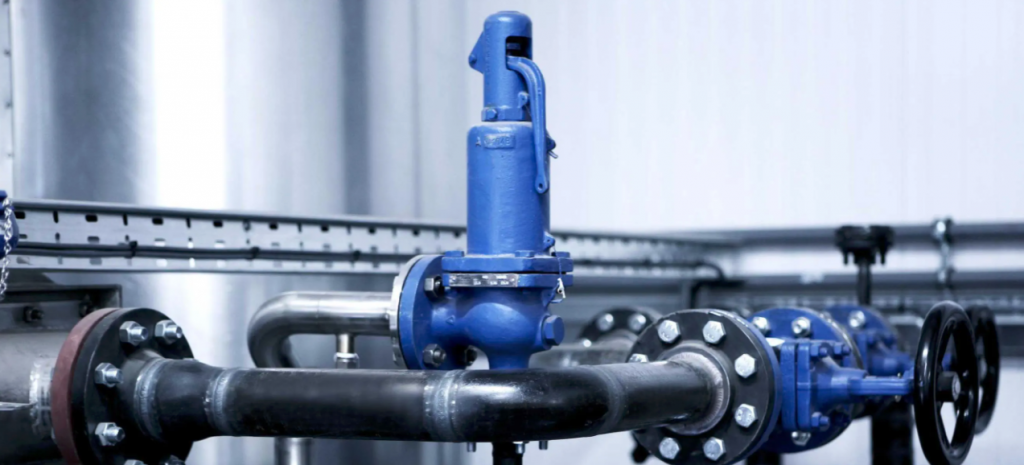
What is Discharge Area in Safety Valves?
The discharge area refers to the cross-sectional area of a valve through which fluid passes when the valve is open. It is a fundamental parameter in ensuring that pressure relief systems can handle the required flow rates during an overpressure scenario. Calculating this area accurately ensures that relief valves can prevent pressure from exceeding safe limits, thereby protecting equipment and personnel.
Importance of Accurate Calculation
Accurate calculation of discharge area is vital for several reasons:
Safety Assurance
Properly sized discharge areas ensure that excess pressure is relieved efficiently, preventing potential equipment failure or catastrophic events.
Compliance with Standards
Industry standards, such as those from the ASME, mandate specific requirements for relief valve sizing. Adhering to these standards is essential for compliance and safety.
Enhancing System Efficiency
Correct sizing helps in optimizing the performance of pressure relief systems, ensuring that they operate within their design parameters without unnecessary wear.
Factors Influencing Discharge Area
Several factors impact the calculation of discharge area:
Type of Fluid
The properties of the fluid being relieved, such as its viscosity and density, affect how the discharge area is calculated.
Operating Conditions
Temperature and pressure conditions at which the system operates can significantly alter the required discharge area.
Valve Type
Different types of valves, such as safety valves and relief valves, may require different discharge area calculations based on their design and application.
Steps in Calculating Discharge Area
To calculate the required discharge area, engineers typically follow these steps:
Identify System Parameters
Gather all necessary data regarding system pressure, temperature, and fluid characteristics.
Apply Relevant Formulas
Use industry-standard formulas and guidelines to compute the discharge area, adjusting for specific conditions and requirements.
Validate Against Standards
Ensure that the calculated discharge area complies with relevant standards and safety protocols.
Common Challenges in Calculation
Despite the availability of guidelines, engineers often face challenges such as:
Complex Fluid Dynamics
The intricate nature of fluid behavior under varying conditions can complicate calculations.
Changing Operating Conditions
Dynamic changes in system conditions require constant reevaluation of discharge area requirements.
Compliance with Evolving Standards
Keeping up with changes in industry standards can be challenging but is necessary for compliance.
Tools and Software for Calculation
Modern engineering tools and software have made it easier to calculate discharge areas accurately. These tools often integrate current standards and provide simulations to test different scenarios.
Case Study: Discharge Area Calculation in Practice
Consider a scenario where a chemical plant needs to ensure its pressure relief valves are adequately sized. By using advanced software and adhering to ASME standards, the plant engineers successfully calculated the discharge area, ensuring operational safety and efficiency.
Improving Calculation Accuracy
To enhance accuracy, engineers should:
Regularly Update Data
Ensure all system data is current and reflects any changes in operating conditions.
Utilize Advanced Tools
Leverage modern software tools designed to handle complex calculations and provide accurate results.
Conclusion
Understanding and correctly calculating required discharge area is essential for industrial engineers to ensure safety and efficiency in pressure relief systems. By adhering to standards and leveraging modern technology, engineers can effectively manage these critical components.
FAQ Section
Why is discharge area calculation important?
It ensures that pressure relief systems can handle necessary flow rates, maintaining safety and efficiency.
What factors influence discharge area?
Fluid type, operating conditions, and valve type are key factors.
How can engineers improve calculation accuracy?
By updating data regularly and using advanced tools and software.
For more detailed insights on the impact of system backpressure on PRVs, visit our page on the Impact of System Backpressure. Additionally, explore our article on PRV Actuator Options for further understanding of actuator choices. For external reference on safety relief valves, see Rasmussen Mechanical Services.
This article contains affiliate links. We may earn a commission at no extra cost to you.