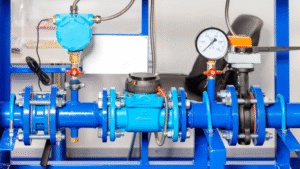
Understanding how to read PRV nameplate is crucial for industrial engineers who work with pressure relief valves (PRVs). These components are essential for maintaining the safety and efficiency of various systems. The nameplate on a PRV provides vital information about its specifications, which helps in ensuring the correct installation, maintenance, and operation of the valve.
In this article, we will walk you through the essentials of interpreting a PRV nameplate. We will delve into the details to ensure you gain a comprehensive understanding of its significance and application.
What is a PRV Nameplate?
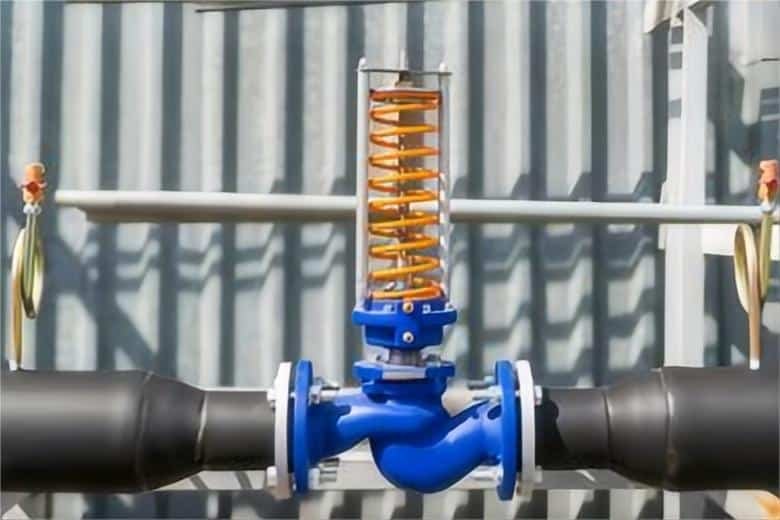
A PRV nameplate is a metal or plastic label affixed to a pressure relief valve. It contains essential data that identifies the valve’s specifications and capabilities. This information is indispensable for engineers who need to ensure that the valve will function correctly within a specific system.
Importance of the PRV Nameplate
The nameplate is not just a formality; it is a crucial element that communicates critical information about the valve. It assists in maintaining system safety and compliance with industrial standards. For more information on designing PRVs with safety in mind, consider visiting Designing for PRV Accessibility.
Key Elements on a PRV Nameplate
Understanding the elements present on a PRV nameplate is vital. Here are some of the primary information points you will find:
Manufacturer’s Details
This includes the name and contact information of the manufacturer. It is essential for verifying authenticity and for any future inquiries.
Model Number
The model number helps identify the specific type of PRV. This is crucial for maintenance and replacement purposes.
Set Pressure
The set pressure is the pressure at which the valve is designed to open. It is a critical parameter for ensuring system safety.
Flow Coefficient (Cv)
This value indicates the valve’s capacity to pass fluid. It is used to calculate the valve’s flow rate and is vital for system design.
Material of Construction
The material information is important for understanding the valve’s compatibility with specific fluids and environmental conditions.
Temperature Range
This specifies the operating temperature limits for the PRV, which is essential for ensuring the valve’s longevity and effectiveness.
How to Use PRV Nameplate Information
Once you have deciphered the nameplate, the next step is to apply this information effectively.
Ensuring Proper Installation
Proper installation is key to the successful operation of a PRV. The nameplate provides data that guides the correct installation process. For additional guidance, explore Proper PRV Orientation.
Maintenance and Inspection
Regular maintenance and inspection are essential for ensuring the ongoing safety and functionality of PRVs. The nameplate information provides a reference for what is needed during these processes.
Troubleshooting Issues
When problems arise, the nameplate serves as a valuable diagnostic tool. Understanding the valve’s specifications can help you identify and resolve issues more efficiently.
Conclusion
Learning how to read PRV nameplate information is a skill that every industrial engineer should master. It not only ensures the safety and efficiency of the systems they work on but also enhances their ability to troubleshoot and maintain these vital components. For a deeper dive into the basics of pressure relief valves, check out The Basics of Pressure Relief Valves.
FAQ Section
What information is typically found on a PRV nameplate?
A PRV nameplate typically includes the manufacturer’s details, model number, set pressure, flow coefficient (Cv), material of construction, and temperature range.
Why is the set pressure important on a PRV nameplate?
The set pressure indicates the pressure at which the valve is designed to open, which is crucial for maintaining system safety.
How can I ensure the proper installation of a PRV using the nameplate information?
The nameplate provides essential data that guides the correct installation process, ensuring the valve functions correctly within its specified parameters. For more details, see Proper PRV Orientation.
This article contains affiliate links. We may earn a commission at no extra cost to you.