The impact of ambient temperature on PRV is a critical factor that industrial engineers must consider when designing and maintaining Pressure Relief Valves (PRVs). PRVs are essential components in industrial systems, ensuring safety by releasing excess pressure. Understanding how ambient temperature affects these valves can significantly influence their performance and reliability.
Understanding PRVs
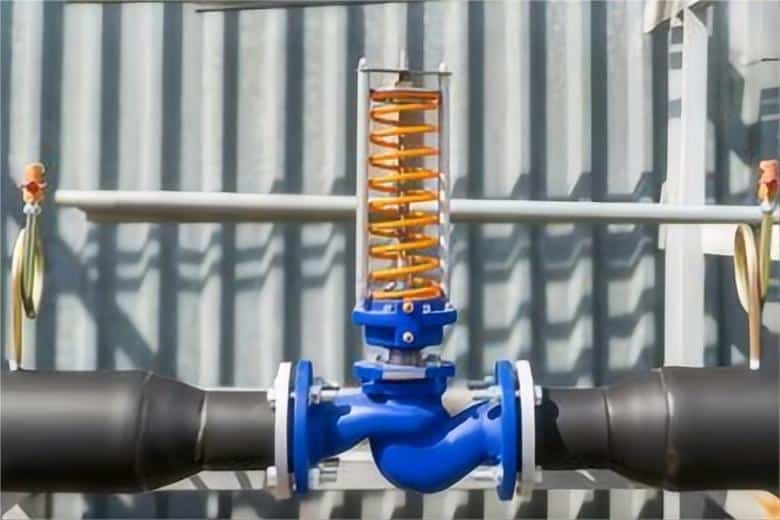
Before delving into the temperature impact, it’s vital to understand what PRVs are. These valves are designed to open at a preset pressure level to prevent equipment damage or catastrophic failures. They are common in industries like oil and gas, chemical processing, and power generation.
Role of Ambient Temperature in PRV Functionality
Ambient temperature refers to the air temperature of the surrounding environment where the PRV operates. It plays a significant role in the functionality of PRVs by affecting their material properties and operational efficiency.
Material Expansion and Contraction
Most PRVs are made from metals which expand and contract with temperature changes. High temperatures can cause metal components to expand, potentially leading to valve seat leakage or improper sealing. Conversely, cold temperatures might cause contraction, affecting the valve’s ability to open at the desired pressure.
Impact on Spring Mechanism
PRVs often utilize a spring mechanism to regulate pressure. Ambient temperature changes can impact the spring’s tension. In high temperatures, springs may lose their tension, causing the PRV to open at a lower pressure. Cold temperatures can increase the spring tension, requiring higher pressure to activate the valve.
Lubrication and Temperature
Lubricants used in PRVs can also be affected by ambient temperature. High temperatures may cause lubricants to thin out, reducing their efficacy. In contrast, low temperatures can cause lubricants to thicken, potentially hindering the valve’s movement.
Addressing Temperature Impacts on PRVs
To mitigate the adverse effects of ambient temperature on PRVs, several strategies can be employed:
Material Selection
Selecting materials with low thermal expansion coefficients can reduce the risk of temperature-induced malfunctions. Materials like stainless steel or Inconel are often preferred for their stability under varying temperatures.
Spring Design Considerations
Designing springs with temperature compensation features can help maintain consistent performance across different temperatures. These springs are designed to adjust their tension in response to temperature changes, ensuring reliable PRV operation.
Regular Maintenance and Testing
Regular maintenance is essential to ensure PRVs function correctly. This includes testing the valves under different temperature conditions to ensure they operate as expected. Regular inspections can also identify potential issues before they lead to failures.
Case Studies on Temperature Impact
Several case studies highlight the importance of considering ambient temperature in PRV design:
Case Study 1: High-Temperature Environments
In a chemical plant, PRVs exposed to high ambient temperatures frequently failed due to spring relaxation. By implementing temperature-compensated springs, the plant significantly reduced PRV failures.
Case Study 2: Cold-Weather Operations
A natural gas facility operating in sub-zero temperatures experienced PRV failures due to lubricant thickening. Switching to a low-temperature lubricant improved PRV reliability.
Conclusion
The impact of ambient temperature on PRV is a crucial consideration for industrial engineers. By understanding and addressing the effects of temperature on PRV materials, springs, and lubricants, engineers can enhance the reliability and safety of industrial systems. For more insights on PRV design and maintenance, visit Designing for PRV Accessibility and Impact of System Backpressure on PRV.
FAQs
What is a PRV?
A Pressure Relief Valve (PRV) is a safety device designed to release excess pressure from a system to prevent equipment damage or catastrophic failures.
Why is ambient temperature important for PRVs?
Ambient temperature affects the material properties and operational efficiency of PRVs, influencing their performance and reliability.
How can temperature impacts on PRVs be mitigated?
Temperature impacts can be mitigated by selecting appropriate materials, designing temperature-compensated springs, and conducting regular maintenance and testing.
For further reading, explore this comprehensive guide on relief valves from ScienceDirect.
This article contains affiliate links. We may earn a commission at no extra cost to you.