In the world of industrial engineering, understanding the intricacies of PRV datasheet parameters is crucial for ensuring the safety and efficiency of pressure relief systems. Pressure Relief Valves (PRVs) play a vital role in maintaining system integrity by preventing overpressure conditions. This article delves into the essential aspects of PRV datasheet parameters, equipping engineers with the knowledge needed to make informed decisions.
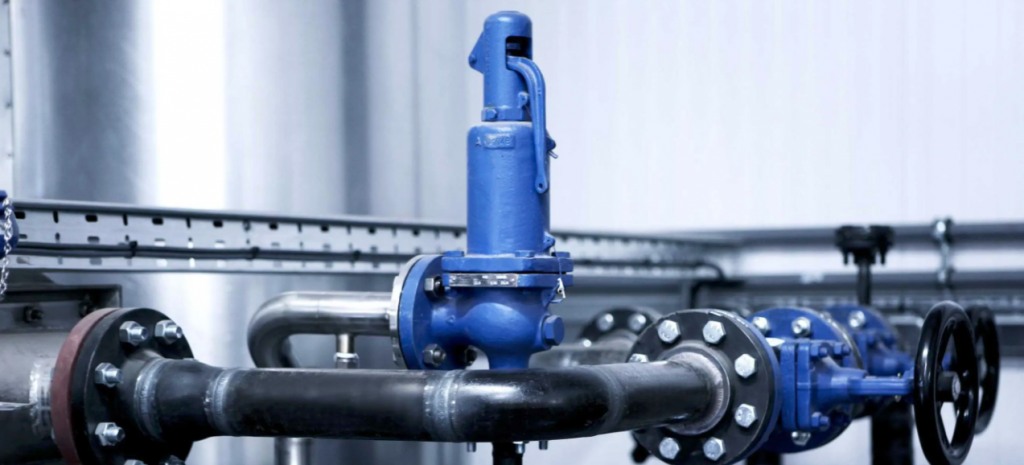
What are PRV Datasheet Parameters?
PRV datasheet parameters are the specifications that define the operational characteristics and limitations of a Pressure Relief Valve. These parameters are crucial for selecting the right PRV for a specific application, ensuring that it operates effectively under the given conditions.
Key Components of a PRV Datasheet
1. Set Pressure
The set pressure is the pressure at which the PRV begins to open, relieving excess pressure from the system. It’s a critical parameter that must be carefully selected to match the system’s operating conditions.
2. Maximum Allowable Working Pressure (MAWP)
The MAWP is the maximum pressure that the system can withstand. The PRV must be set below this pressure to ensure safety.
3. Temperature Range
The temperature range specifies the temperatures within which the PRV can operate without compromising its integrity or performance.
4. Flow Rate Capacity
The flow rate capacity indicates how much fluid the PRV can discharge once it opens. This is essential for ensuring that the valve can effectively relieve pressure under worst-case scenarios.
Understanding Set Pressure and MAWP
The relationship between set pressure and MAWP is fundamental in PRV selection. Engineers must ensure that the set pressure is adequately below the MAWP to provide a safety margin, preventing system failure.
Importance of Temperature Range in PRV Selection
The temperature range is a critical factor that influences the material selection for the PRV. It ensures that the valve can withstand the thermal conditions of the system without degradation.
Flow Rate Capacity: Ensuring Adequate Relief
Selecting a PRV with the appropriate flow rate capacity is vital for ensuring that the valve can handle the maximum expected flow during overpressure events. This prevents system damage and ensures safety.
Material Selection for PRVs
The choice of materials for a PRV is influenced by the fluid type, temperature, and pressure conditions. Common materials include stainless steel, brass, and bronze, each offering specific advantages depending on the application.
Installation Considerations for PRVs
Proper installation is crucial for PRV performance. Engineers must ensure correct orientation, secure mounting, and adherence to manufacturer guidelines to avoid operational issues. More details can be found in PRV Orientation.
Maintenance Practices for PRVs
Regular maintenance is essential for ensuring the longevity and reliability of PRVs. This includes periodic inspections, testing, and cleaning to prevent valve seat wear and other issues. Learn more about valve seat maintenance in Valve Seat Wear.
Common Challenges in PRV Operation
Engineers often face challenges such as pulsation and backpressure in PRV operation. These can affect the performance and longevity of the valve if not adequately addressed. For insights on handling pulsation, visit Pulsation Handling.
Safety Standards and Regulations
Compliance with safety standards and regulations is non-negotiable in PRV operation. Engineers must ensure that all PRVs meet the relevant codes and standards to avoid legal and safety issues.
Advancements in PRV Technology
Recent advancements in PRV technology have introduced smart valves with enhanced monitoring capabilities, providing engineers with real-time data on valve performance and system conditions.
Choosing the Right PRV for Your Application
Selecting the right PRV involves evaluating all the datasheet parameters and matching them to the specific requirements of the application. This ensures optimal performance and safety.

FAQs
1. What are the key factors in selecting a PRV?
Key factors include set pressure, MAWP, temperature range, and flow rate capacity.
2. How often should PRVs be maintained?
Regular maintenance is recommended, with inspections typically conducted annually or as per the manufacturer’s guidelines.
3. What materials are commonly used for PRVs?
Common materials include stainless steel, brass, and bronze, chosen based on the application’s specific conditions.
For more detailed information on PRVs and their applications, you can explore the following external resources: Safety Relief Valves.
This article contains affiliate links. We may earn a commission at no extra cost to you.