
The installation of Pressure Relief Valves (PRVs) is a critical task in various industrial settings. These valves play a vital role in maintaining system safety by preventing overpressure conditions. However, PRV installation mistakes can lead to serious consequences, including system failures and safety hazards. In this article, we will explore common PRV installation errors and provide solutions to ensure proper functioning and safety. Understanding these mistakes and avoiding them can save time, money, and potentially lives.
Understanding Pressure Relief Valves
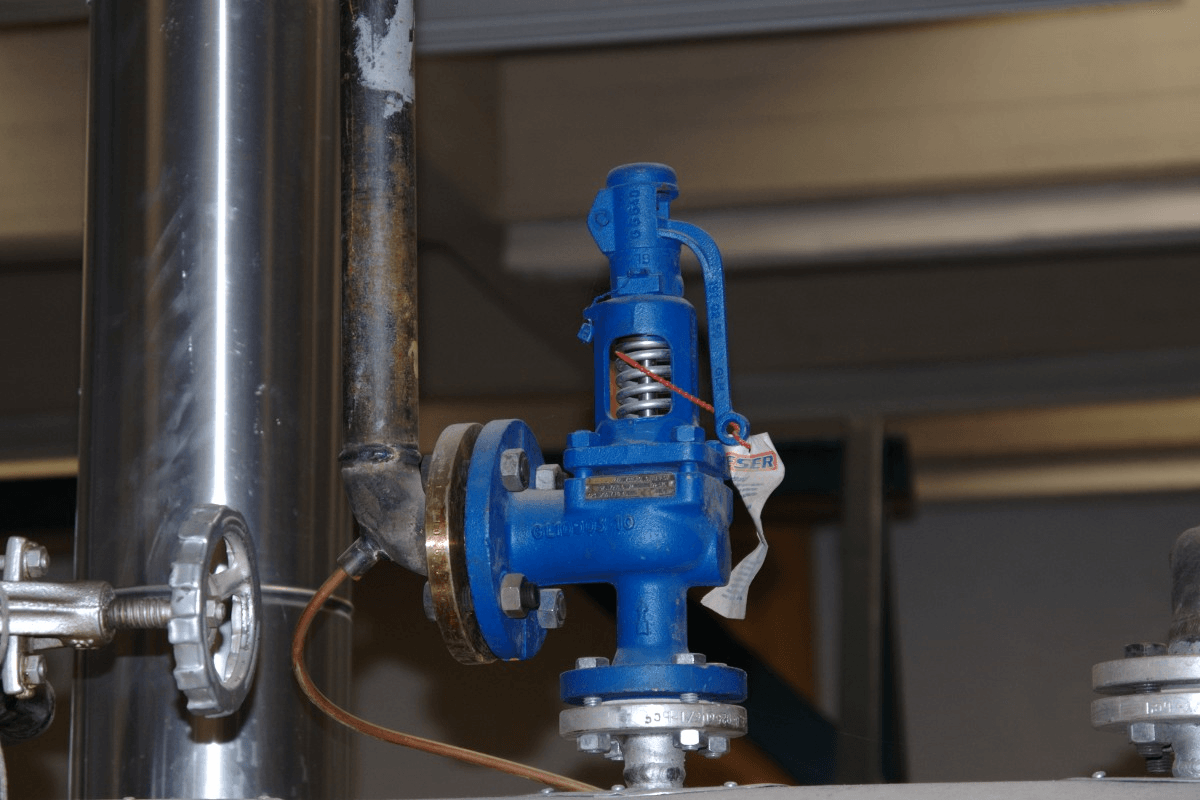
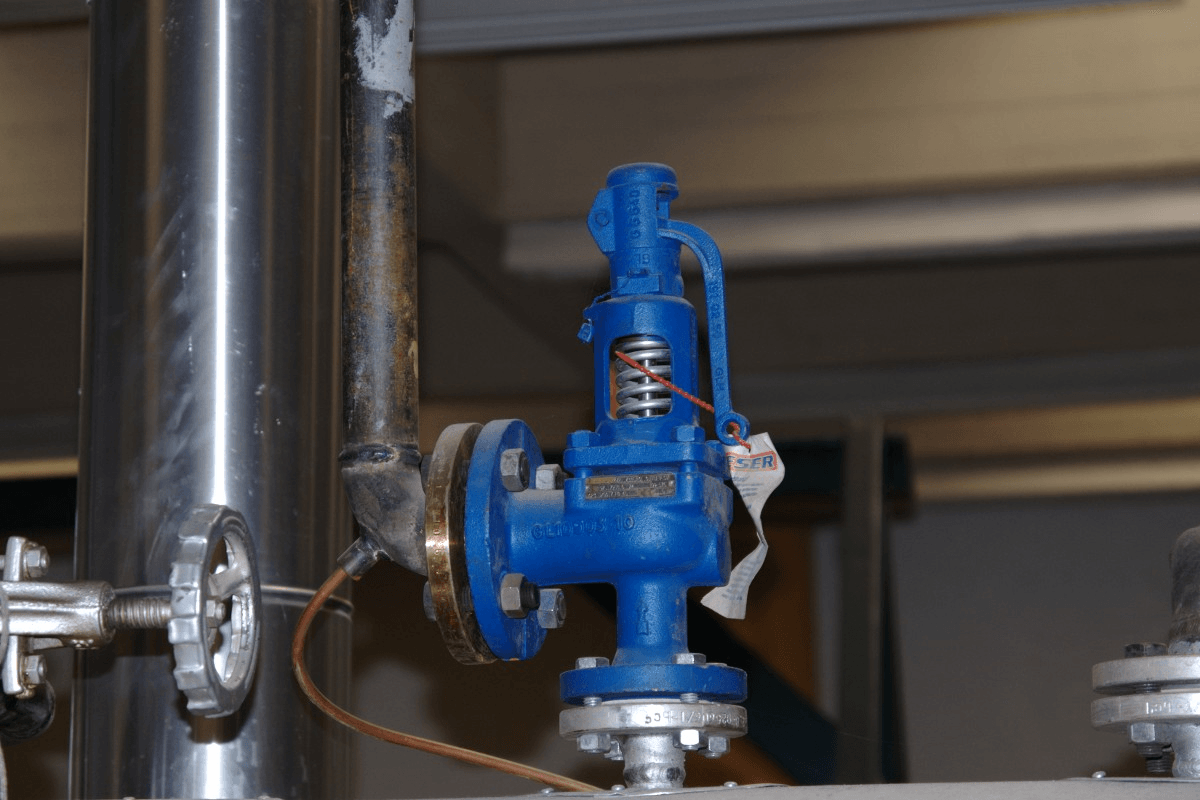
Pressure Relief Valves are designed to open at a predetermined set pressure to protect equipment and systems from excessive pressure. They are essential components in industries such as chemical processing, oil and gas, and manufacturing. The primary keyword, PRV installation mistakes, highlights the importance of correct installation practices.
Importance of Correct Installation
Proper installation of PRVs is crucial for ensuring their effectiveness. Incorrect installation can lead to malfunctioning valves, which may cause pressure build-up and potential equipment damage. Additionally, incorrect installation can lead to costly repairs and downtime. To learn more about system backpressure, visit our detailed guide.
Common PRV Installation Mistakes
1. Incorrect Valve Sizing
One of the most common PRV installation mistakes is selecting the wrong valve size. An undersized valve may not release pressure adequately, while an oversized valve can lead to frequent cycling and wear. To avoid this, always consult with a professional engineer or refer to manufacturer guidelines for proper sizing.
2. Improper Valve Orientation
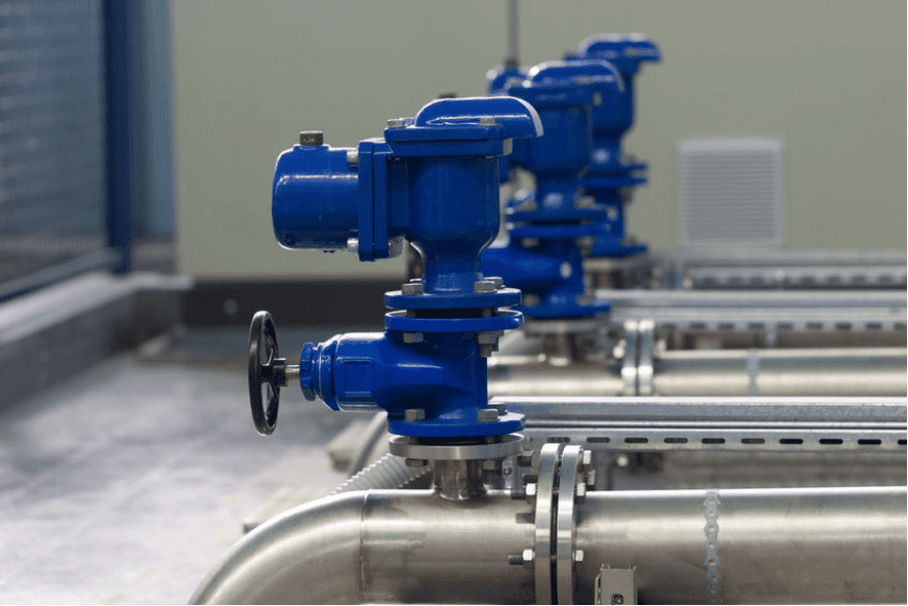
Another frequent mistake is installing the valve in the wrong orientation. PRVs must be installed in a vertical position to function correctly. Improper orientation can affect the valve’s ability to open and close efficiently. For more information on proper PRV orientation, check out our comprehensive guide.
3. Inadequate Support and Piping
Supporting the valve and associated piping is essential to prevent stress and vibrations that can affect the valve’s performance. Inadequate support can lead to leaks and failures. Ensure that the piping is properly anchored and supported according to industry standards.
4. Ignoring System Backpressure
System backpressure can significantly impact PRV performance. Failing to consider backpressure during installation is a common mistake that can lead to valve malfunction. Understanding pulsation in pressure relief valves is crucial for optimal performance.
Solutions to Avoid PRV Installation Mistakes
Consult with Experts
Consulting with experienced engineers or manufacturers during the installation process can help avoid common mistakes. Their expertise can guide you in selecting the right valve size, orientation, and installation procedures.
Regular Maintenance and Inspections
Regular maintenance and inspections are vital for ensuring the continued performance of PRVs. Routine checks can identify potential issues before they become serious problems, reducing the risk of failures and safety hazards.
Training and Education
Providing training and education for personnel involved in PRV installation and maintenance can enhance their understanding of best practices and reduce the likelihood of mistakes. Investing in training can lead to safer and more efficient operations.
Use of Advanced Technologies
Advanced technologies and tools can assist in the accurate installation and monitoring of PRVs. Utilizing these technologies can enhance the precision of installations and improve overall system safety.
Conclusion
Understanding and avoiding PRV installation mistakes is crucial for the safety and efficiency of industrial systems. By following best practices, consulting with experts, and investing in training and technology, organizations can ensure the proper installation and functioning of PRVs. For further insights, visit this resource to understand the function of pressure relief valves in greater detail.
FAQs
What are the common signs of PRV failure?
Common signs of PRV failure include frequent valve opening and closing, leaks, and unusual noises. Regular inspections can help identify these issues early.
Can a PRV be installed horizontally?
PRVs should be installed in a vertical position for optimal performance. Horizontal installation can affect the valve’s ability to function correctly.
How often should PRVs be inspected?
PRVs should be inspected regularly, typically every six months to a year, depending on the system’s requirements and industry standards.
This article contains affiliate links. We may earn a commission at no extra cost to you.