
In the world of industrial engineering, the inline maintenance of PRVs is a crucial task that cannot be overlooked. Pressure Relief Valves (PRVs) play an essential role in maintaining the safety and efficiency of various systems. As an industrial engineer, understanding the importance of regular maintenance for these valves is key to preventing potential system failures and ensuring optimal performance.
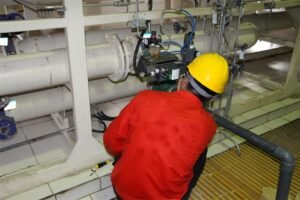
PRVs are designed to release pressure from a system, preventing it from exceeding safe levels. Without regular maintenance, these valves can become less effective, leading to dangerous pressure buildups. The practice of inline maintenance involves inspecting, cleaning, and repairing PRVs without removing them from their operational setup. This not only saves time and resources but also minimizes system downtime.
Understanding the Importance of PRVs
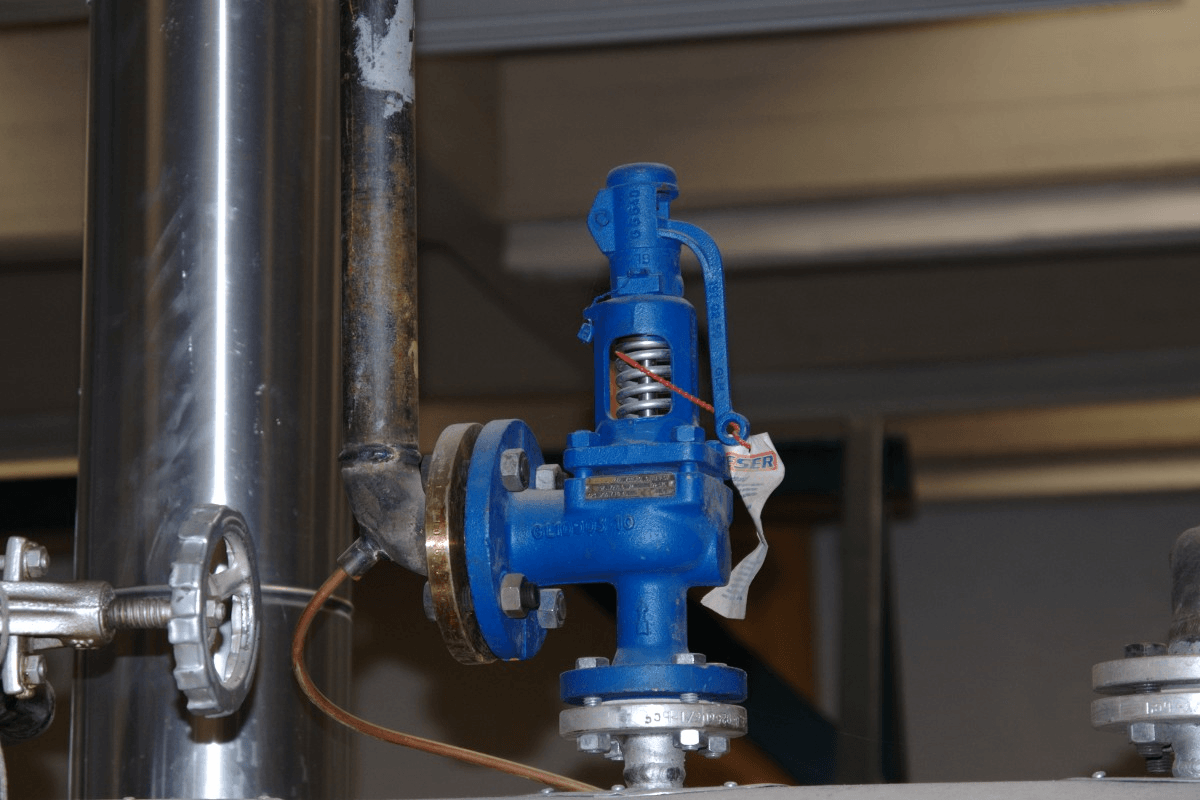
The core function of a Pressure Relief Valve is to protect equipment and personnel from overpressure scenarios. Overpressure can occur due to various reasons, including process upsets, equipment failures, or external influences. When a PRV functions correctly, it automatically opens to release excess pressure, thus preventing potential hazards. Read more about the impact of system backpressure on PRVs.
The Role of PRVs in Different Industries
PRVs are utilized across a spectrum of industries, ranging from oil and gas to chemical processing and power generation. Each industry has its specific requirements and regulations for PRV maintenance, making it vital for engineers to stay informed and compliant. Learn more about PRVs for fuel systems to understand their unique applications.
Key Components of PRVs
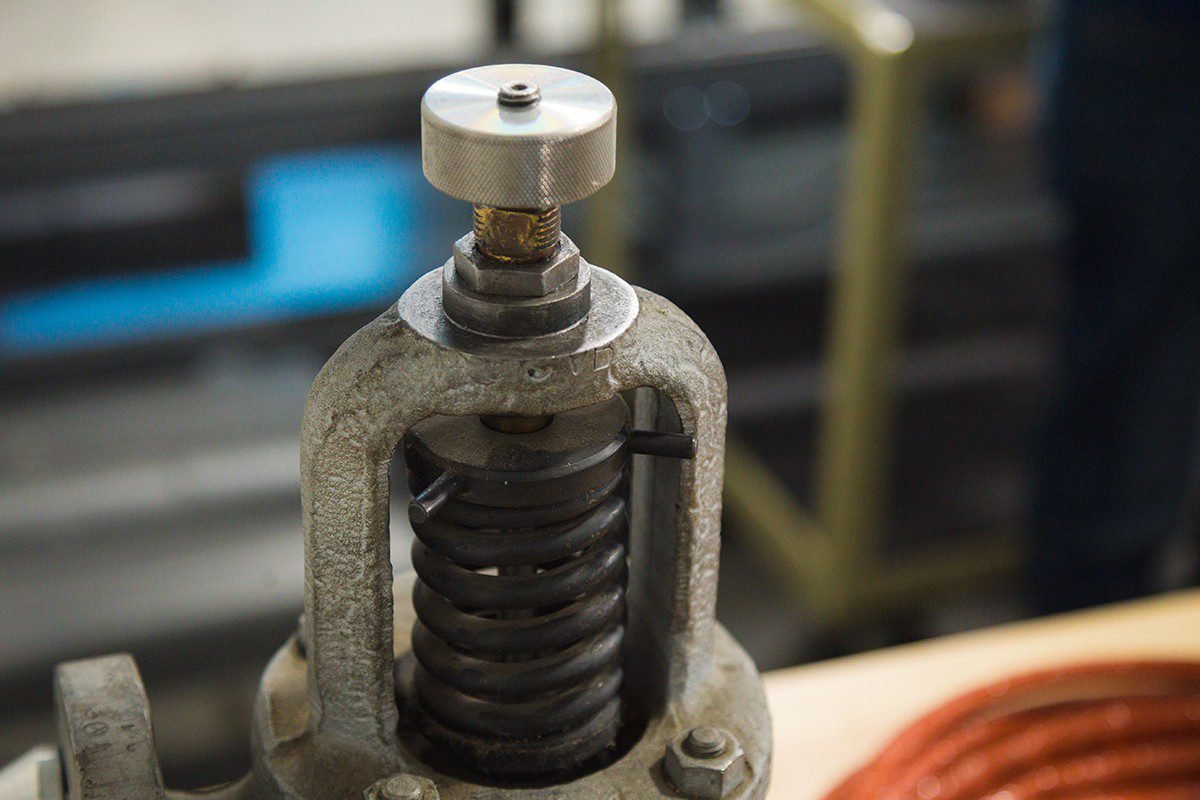
To effectively perform inline maintenance, one must first understand the key components of a PRV. The main parts include the valve body, spring, disc, and seat. Each component has a specific function and requires careful inspection during maintenance. Proper understanding of these components can aid in diagnosing potential issues and prolonging the valve’s lifespan.
Valve Body
The valve body is the outer casing that houses all internal components. It must be free from cracks, corrosion, and other signs of wear. Regular inspection can help identify potential weaknesses.
Spring
The spring is responsible for holding the valve closed under normal conditions. It must be checked for tension and signs of fatigue, as a weakened spring can result in a malfunctioning valve.
Disc and Seat
The disc and seat form the sealing surfaces of the valve. These components must be free from scratches or damage to ensure a proper seal. Cleaning these surfaces is a critical step during maintenance.
Steps for Inline Maintenance of PRVs
Performing inline maintenance of PRVs involves several key steps. These include preparation, inspection, cleaning, repair, and testing. Let’s delve into each step in more detail:
Preparation
Before starting maintenance, ensure that all necessary tools and safety equipment are available. It is also important to consult the valve’s manual for specific maintenance guidelines and safety precautions.
Inspection
During inspection, look for signs of leakage, corrosion, or other physical damage. Check the tension of the spring and inspect the disc and seat for wear.
Cleaning
Use appropriate cleaning agents to remove dirt, debris, and any buildup from the valve components. Ensure that all cleaning products are compatible with the valve materials to avoid damage.
Repair
If any components are found to be damaged or worn, they should be repaired or replaced promptly. This may involve adjusting the spring tension or replacing the disc or seat.
Testing
After maintenance, the valve should be tested to ensure it operates correctly. This involves simulating overpressure conditions to verify that the valve opens and closes as expected.
Common Challenges in Inline Maintenance
Inline maintenance of PRVs can present several challenges. These include limited access to the valve, restricted space for working, and the need for specialized tools. Overcoming these challenges requires careful planning and the right expertise.
Access and Space Constraints
In many industrial settings, PRVs are installed in tight spaces, making it difficult to perform maintenance. Engineers must develop innovative solutions to work efficiently within these constraints.
Availability of Specialized Tools
Maintaining PRVs often requires specialized tools that may not be readily available. Ensuring that the necessary tools are on hand is crucial for efficient maintenance.
Benefits of Regular Inline Maintenance
Regular inline maintenance of PRVs offers numerous benefits. It enhances the safety and reliability of industrial systems, extends the lifespan of the valves, and reduces the risk of unexpected failures. By prioritizing maintenance, engineers can prevent costly downtime and ensure compliance with safety regulations.
Conclusion
In conclusion, the inline maintenance of PRVs is a vital aspect of industrial engineering. By understanding the components, steps, and challenges involved, engineers can effectively maintain these crucial safety devices. Regular maintenance not only safeguards systems but also promotes long-term efficiency and safety. For further insights on PRVs, consider exploring [this resource](https://www.beswick.com/resources/the-basics-of-pressure-relief-valves/) for detailed guidance.
FAQs
What is the primary function of a Pressure Relief Valve?
The primary function of a Pressure Relief Valve is to protect equipment and personnel by releasing excess pressure from a system.
Why is inline maintenance important for PRVs?
Inline maintenance is important for PRVs because it ensures the valves operate effectively, preventing overpressure situations and minimizing system downtime.
What are the key steps in performing inline maintenance on PRVs?
The key steps include preparation, inspection, cleaning, repair, and testing to ensure the valves function correctly and safely.
This article contains affiliate links. We may earn a commission at no extra cost to you.