Pressure Relief Valves (PRVs) are crucial components in various industrial systems, ensuring safety and operational efficiency. Understanding and utilizing PRV testing equipment is essential for Industrial Engineers to maintain the integrity of these systems. This article delves into the intricacies of PRV testing equipment, offering insights into their importance and functionality.
Understanding PRV Testing Equipment
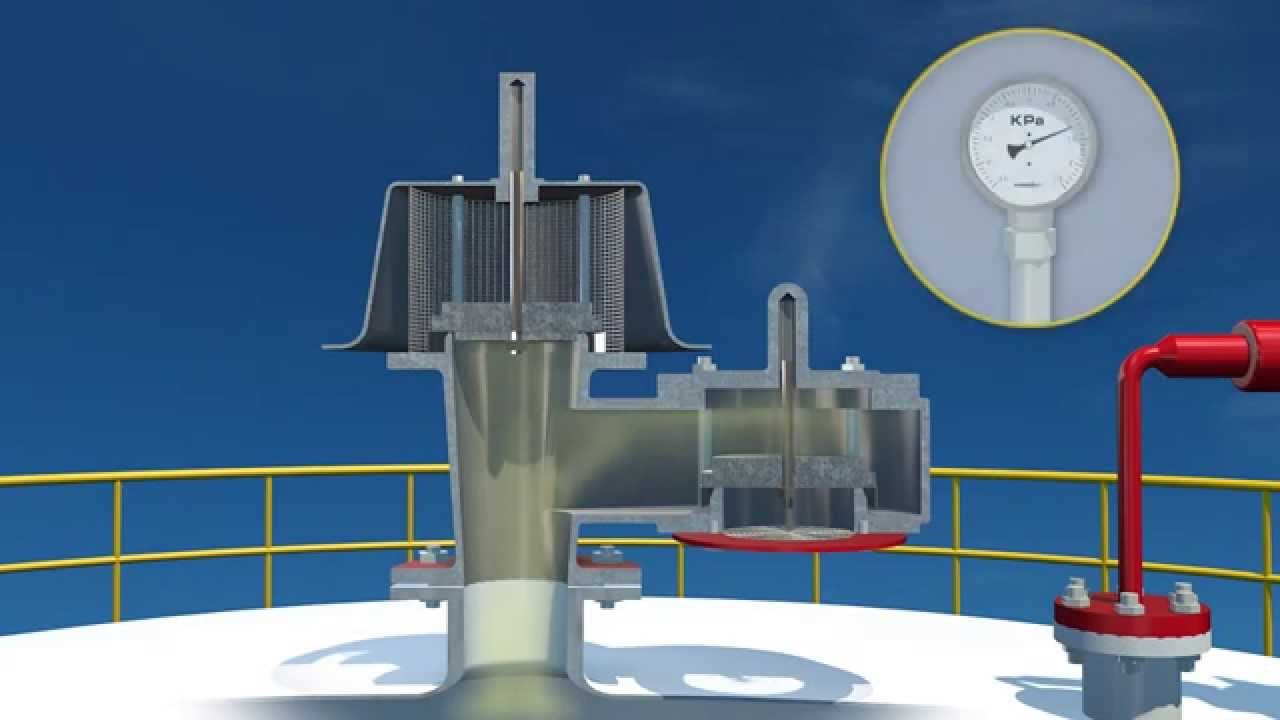
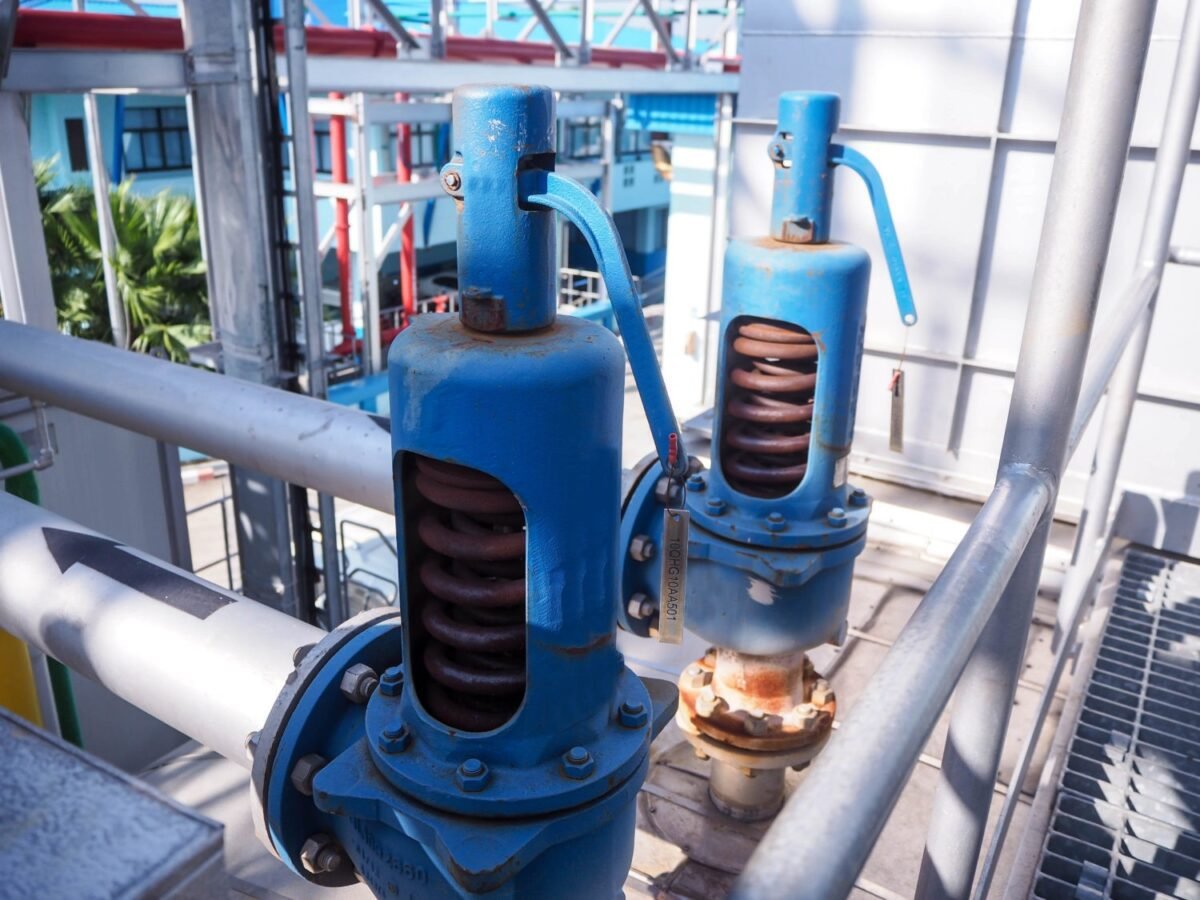
PRV testing equipment refers to the tools and devices used to assess the performance and reliability of Pressure Relief Valves. These valves play a pivotal role in safeguarding systems by preventing excessive pressure build-up, which can lead to catastrophic failures. By regularly testing PRVs, engineers can ensure that these valves function correctly, thus maintaining the safety of operations.
The Importance of Regular Testing
Regular testing of PRVs is vital to ensure that they operate within the specified parameters. Over time, factors such as corrosion, wear and tear, or changes in system pressure can affect a valve’s performance. Through periodic testing, engineers can identify potential issues before they escalate into serious problems.
Key Benefits of PRV Testing
- Enhanced Safety: Regular testing helps in identifying malfunctioning valves, thus preventing accidents.
- Cost Efficiency: By detecting problems early, expensive repairs or replacements can be avoided.
- Compliance: Many industries have stringent regulations regarding valve testing, ensuring compliance with these standards is crucial.
Types of PRV Testing Equipment
Various types of PRV testing equipment are available, each designed for specific testing needs. Understanding the different types ensures that engineers use the right tools for accurate results.
Hydrostatic Testing Equipment
This equipment is used to test the integrity and strength of pressure vessels and pipelines. By applying water pressure, engineers can detect leaks and evaluate the valve’s ability to withstand pressure.
Pneumatic Testing Equipment
Unlike hydrostatic testing, pneumatic testing uses air or gas to test the valves. This method is advantageous for systems where water cannot be used.
Electronic Testing Equipment
Modern testing often involves electronic equipment that provides real-time data and analytics. These tools offer precise measurements, making them invaluable for detailed assessments.
Steps Involved in PRV Testing
Conducting a PRV test involves several key steps to ensure thorough evaluation and accurate results.
Preparation
Before testing, the system should be shut down safely, and the valve should be isolated. This step is crucial to prevent accidents and ensure the accuracy of the test.
Inspection
A visual inspection is conducted to check for any visible signs of damage or wear. This initial step helps identify areas that require special attention during the test.
Testing
The appropriate testing method is applied, whether hydrostatic, pneumatic, or electronic. Engineers monitor the valve’s response to pressure changes, noting any anomalies.
Analysis
Data collected during the test is analyzed to determine the valve’s performance and identify any necessary repairs or adjustments.
Common Challenges in PRV Testing
While testing PRVs is essential, it is not without challenges. Understanding these hurdles helps in developing strategies to overcome them.
Access Issues
In some systems, valves may be located in hard-to-reach areas, complicating the testing process. Engineers must devise solutions to access these valves safely.
Environmental Concerns
Testing in certain environments, such as those with extreme temperatures or hazardous materials, requires special precautions and equipment.
Advanced PRV Testing Techniques
Technological advancements have led to the development of advanced testing techniques, enhancing the accuracy and efficiency of PRV testing.
Digital Testing Solutions
These solutions incorporate digital sensors and analytics software to provide detailed insights into valve performance. They allow for remote monitoring and data-driven decision-making.
Non-Destructive Testing (NDT)
NDT methods enable engineers to evaluate the condition of PRVs without causing any damage, preserving the valve’s integrity while obtaining critical data.
Maintenance Best Practices
Beyond testing, maintaining PRVs involves regular inspections and timely repairs. Implementing best practices ensures the longevity and reliability of these valves.
Scheduled Inspections
Regular inspections help identify potential issues early, allowing for timely intervention and preventing costly failures.
Professional Servicing
Engaging professionals for servicing ensures that valves receive expert care, adhering to industry standards and regulations.
Conclusion
For Industrial Engineers, understanding and utilizing PRV testing equipment is crucial for maintaining system safety and efficiency. By staying informed about the latest testing techniques and best practices, engineers can effectively manage the integrity of pressure relief valves.
FAQs
What is the primary purpose of PRV testing?
The primary purpose of PRV testing is to ensure that pressure relief valves operate correctly, preventing excessive pressure build-up in systems.
How often should PRVs be tested?
The frequency of testing depends on industry standards and the specific conditions of the system, but it is generally recommended to test PRVs annually.
Can PRVs be tested while the system is in operation?
While some testing can be conducted without shutting down the system, it is often safer and more accurate to isolate the valve for thorough testing.
For more insights on PRV backpressure impact and safety relief valves, visit these resources.
This article contains affiliate links. We may earn a commission at no extra cost to you.