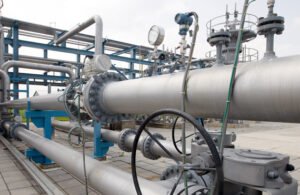
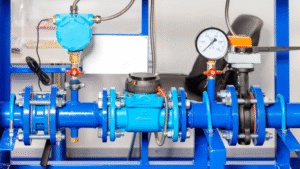
In the world of industrial engineering, understanding the differences between a pressure gauge and a pressure relief valve is crucial. Both tools play essential roles in ensuring the safety and efficiency of various systems. This article will explore their functionalities, applications, and how they complement each other in industrial settings.
Introduction to Pressure Gauges
Pressure gauges are devices used to measure the pressure of gases or liquids in a system. They are crucial for monitoring system performance, ensuring safety, and maintaining efficiency. By providing real-time pressure readings, these gauges help engineers make informed decisions about system operation and maintenance.
Types of Pressure Gauges
There are several types of pressure gauges, each designed for specific applications:
- Bourdon Tube Gauges – Commonly used due to their reliability and accuracy.
- Diaphragm Gauges – Suitable for measuring low-pressure systems.
- Digital Pressure Gauges – Provide precise readings and are easy to read.
Understanding Pressure Relief Valves
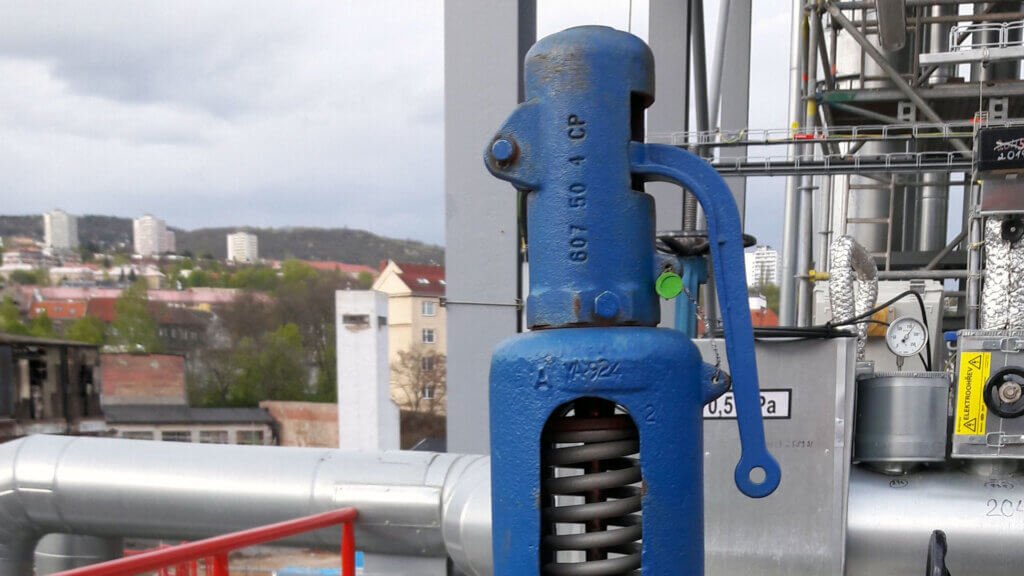
Pressure relief valves are safety devices designed to release pressure from a system when it exceeds a predetermined limit. This prevents potential damage or catastrophic failure by ensuring that the pressure remains within safe operating limits.
Types of Pressure Relief Valves
Like pressure gauges, pressure relief valves come in various types:
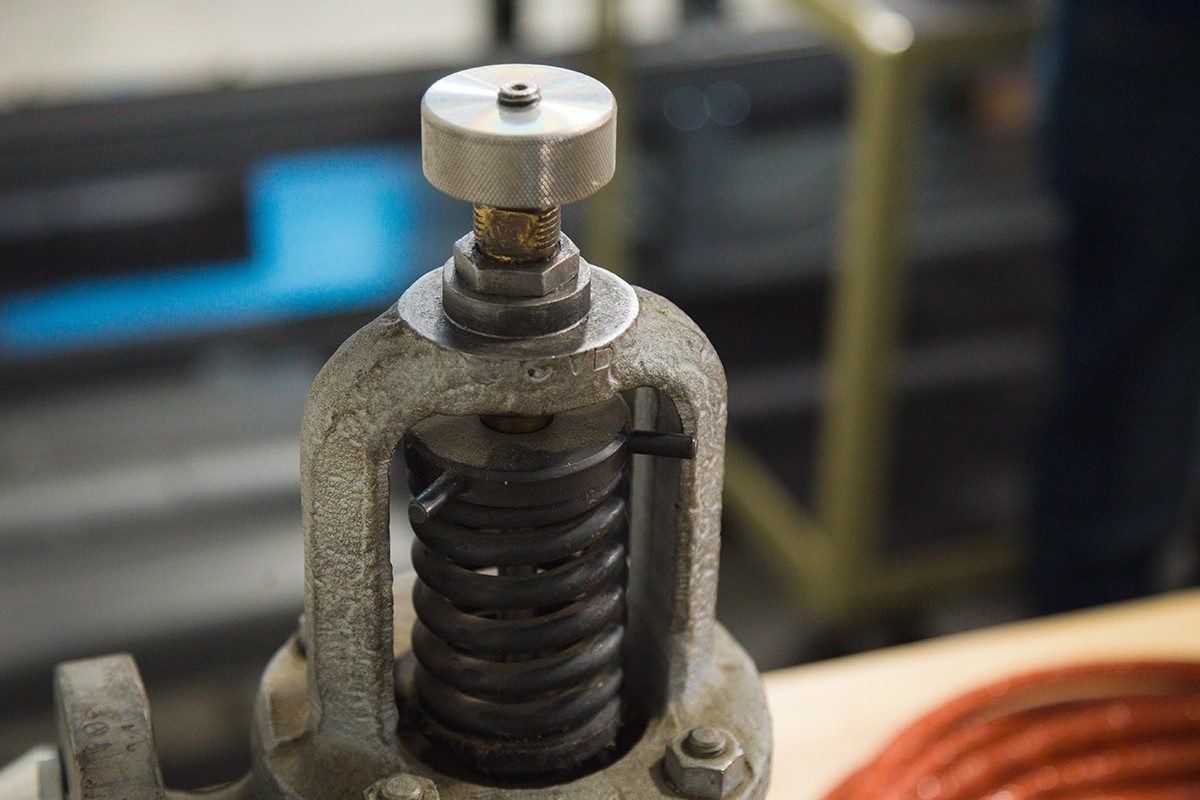
- Spring-Loaded Valves – Use a spring to keep the valve closed until excess pressure forces it open.
- Pilot-Operated Valves – Utilize system pressure to control the opening and closing of the valve.
Key Differences Between Pressure Gauges and Pressure Relief Valves
While both devices are integral to industrial systems, they serve different purposes. A pressure gauge measures and displays system pressure, allowing for monitoring and adjustments. In contrast, a pressure relief valve acts as a safety mechanism, automatically releasing pressure to prevent system failure.
Applications in Industrial Settings
Understanding the applications of each device is essential for industrial engineers:
- Pressure Gauges are often used in chemical processing, oil and gas, and manufacturing industries for monitoring purposes.
- Pressure Relief Valves are critical in systems where overpressure could lead to dangerous conditions, such as in boilers and chemical plants.
Complementary Roles in Safety and Efficiency
While distinct in function, pressure gauges and pressure relief valves work together to enhance system safety and efficiency. Gauges allow for proactive monitoring, while relief valves provide reactive safety measures.
Integrating Both Devices
For optimal system performance, integrating both devices is crucial. This ensures continuous monitoring and immediate response to pressure changes, safeguarding both equipment and personnel.
Choosing the Right Device for Your System
Selecting the appropriate device depends on the system’s requirements. Consider factors like pressure range, system type, and safety needs when choosing between a pressure gauge and a pressure relief valve.
Consulting Experts
When in doubt, consulting with industry experts or manufacturers can provide valuable insights into device selection and system design.
Advancements in Pressure Technology
Recent advancements have improved the accuracy and reliability of both pressure gauges and pressure relief valves. Digital technologies and materials science continue to enhance these devices, offering new possibilities for industrial applications.
Maintaining Pressure Devices
Regular maintenance is essential for ensuring the longevity and effectiveness of these devices. Routine inspections and calibrations can prevent potential issues and ensure optimal performance.
Industry Standards and Regulations
Adhering to industry standards and regulations is vital for maintaining safety and compliance. These guidelines help ensure that pressure devices function correctly within their specified parameters.
Conclusion
In summary, understanding the differences and applications of pressure gauges and pressure relief valves is essential for industrial engineers. By integrating both devices into their systems, engineers can enhance safety, efficiency, and reliability.
For further information on the impact of system backpressure on relief valves, visit the Impact of System Backpressure page. Additionally, explore more about proper PRV orientation at Proper PRV Orientation.
For more detailed insights into the differences between pressure reducing valves and pressure relief valves, check out this external resource.
FAQ
What is the primary function of a pressure gauge?
A pressure gauge measures the pressure of gases or liquids in a system, providing real-time data for monitoring and adjustments.
How does a pressure relief valve work?
A pressure relief valve releases excess pressure from a system when it exceeds a safe limit, preventing potential damage or failure.
Can pressure gauges and relief valves be used together?
Yes, integrating both devices enhances system safety and efficiency by providing continuous monitoring and immediate response to pressure changes.
This article contains affiliate links. We may earn a commission at no extra cost to you.