For industrial engineers and professionals working with pressure relief valves (PRVs), understanding how altitude affects PRV operation is crucial. Altitude can significantly impact the performance and reliability of PRVs, which are essential for maintaining safety and efficiency in various systems. In this article, we’ll explore the various factors that influence PRV operation at different altitudes and provide insights into optimizing PRV performance in such conditions.
Understanding Pressure Relief Valves (PRVs)
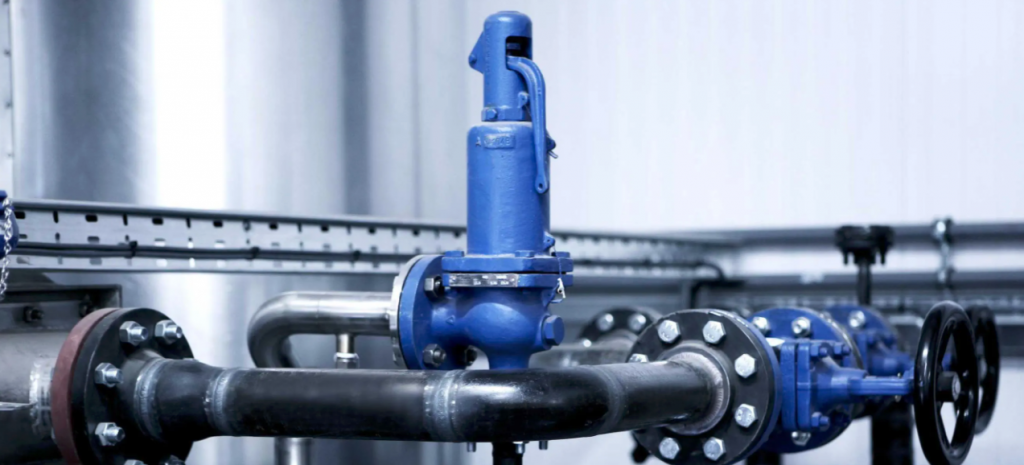
Before delving into the effects of altitude, it’s important to understand what pressure relief valves (PRVs) are and their role in industrial applications. PRVs are safety devices designed to release excess pressure from a system, preventing potential damage, explosions, or equipment failure.
Components of PRVs
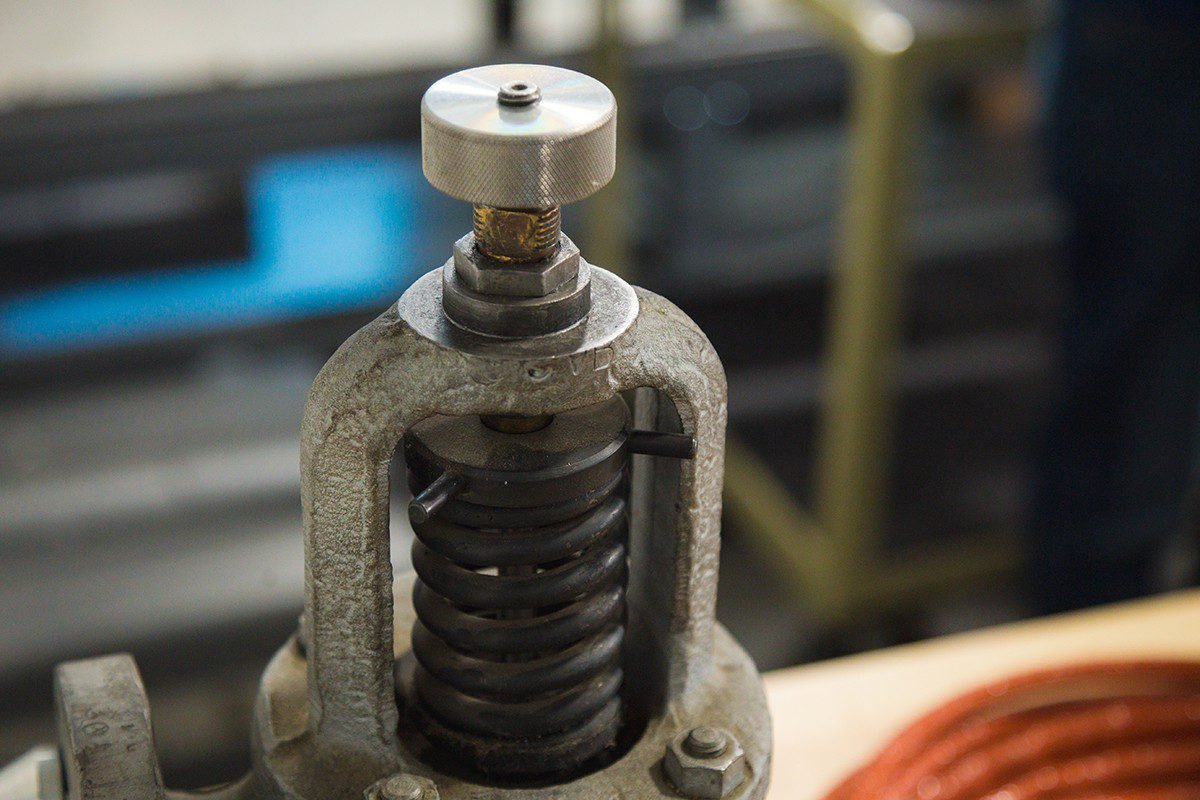
PRVs consist of several key components, including a valve body, spring, and seat. These components work together to maintain pressure within a specified range, ensuring the system’s safety.
The Impact of Altitude on PRV Operation
Changes in Atmospheric Pressure
One of the primary ways altitude affects PRV operation is through changes in atmospheric pressure. As altitude increases, atmospheric pressure decreases, which can influence PRV settings and performance.
Adjusting PRV Settings
At higher altitudes, engineers may need to adjust PRV settings to account for lower atmospheric pressure. This ensures that PRVs function correctly and release pressure at the appropriate levels. For more on adjusting PRV settings, explore our guide on proper PRV orientation.
Temperature Variations and PRV Performance
Temperature Fluctuations at High Altitudes
Temperature variations can also affect PRV operation. At high altitudes, temperatures can fluctuate significantly, impacting the materials and components used in PRVs.
Material Selection for PRVs
Choosing the right materials for PRV components is essential to ensure reliable operation under varying temperatures. Learn more about relief valve seal materials for different conditions.
System Backpressure Considerations
System backpressure plays a vital role in PRV operation at different altitudes. Backpressure refers to the resistance encountered by the flow of released pressure, and it can be influenced by altitude changes.
Managing System Backpressure
Proper management of system backpressure is crucial to ensure PRV effectiveness. For insights on this topic, check out our article on system backpressure impact.
Altitude’s Influence on PRV Calibration
Calibration Techniques
Calibrating PRVs for operation at different altitudes involves adjusting settings to account for atmospheric changes. This ensures that PRVs activate at the correct pressure thresholds.
Ensuring Accurate Calibration
Accurate calibration is essential for PRV reliability. Discover more about the techniques used for calibrating PRVs in diverse environments by visiting this pressure relief valves guide.
Altitude Effects on PRV Response Time
Response Time Variations
Altitude can affect the response time of PRVs, impacting how quickly they release pressure in emergency situations. Understanding these variations is crucial for maintaining safety.
Improving PRV Response Time
To enhance PRV response time, engineers may need to consider specific design modifications or adjustments to account for altitude differences.
Design Considerations for High Altitude PRVs
When designing PRVs for high-altitude applications, engineers must consider various factors to ensure optimal performance and safety.
Customizing PRV Designs
Customizing PRV designs for high-altitude conditions involves selecting materials, components, and settings that account for unique environmental factors.
Pulsation and PRV Operation at Altitude
Pulsation, or rapid pressure fluctuations, can affect PRV operation at different altitudes. It is essential to manage pulsation effectively to maintain PRV performance. For more on this topic, read about pulsation in pressure relief valves.
Altitude and PRV Safety Standards
Adhering to safety standards is crucial when operating PRVs at various altitudes. Engineers must ensure compliance with relevant standards to maintain system safety.
Understanding PRV Safety Regulations
Safety regulations for PRVs may vary based on altitude and environmental conditions. Engineers should stay informed about these regulations to ensure compliance.
Case Studies: PRV Operation at High Altitude
Examining real-world case studies can provide valuable insights into PRV operation at high altitudes, highlighting challenges and solutions implemented by engineers.
Lessons Learned from High-Altitude PRV Applications
Case studies offer lessons learned and best practices for optimizing PRV operation in diverse environments.
Conclusion: Optimizing PRV Performance at Altitude
Understanding how altitude affects PRV operation is essential for maintaining safety and efficiency in industrial systems. By considering factors such as atmospheric pressure, temperature variations, and system backpressure, engineers can optimize PRV performance at different altitudes. By staying informed and implementing best practices, professionals can ensure reliable PRV operation in various environments.
Frequently Asked Questions (FAQ)
What is the primary concern for PRV operation at high altitudes?
The primary concern is adjusting PRV settings to account for lower atmospheric pressure, ensuring proper activation and safety.
How does temperature affect PRV materials at altitude?
Temperature fluctuations at high altitudes can impact PRV materials, necessitating careful material selection for reliability.
Are there specific PRV designs for high-altitude applications?
Yes, engineers often customize PRV designs for high-altitude conditions, considering factors like materials and calibration settings.
This article contains affiliate links. We may earn a commission at no extra cost to you.