In the world of industrial engineering, the term PRV blowdown adjustment carries significant weight. Understanding and managing this process is crucial for the safe and efficient operation of pressure relief valves (PRVs). This article delves into the intricacies of PRV blowdown adjustment, providing valuable insights for professionals in the field. Let’s explore what makes this process so vital and how it can be optimized for the best results.
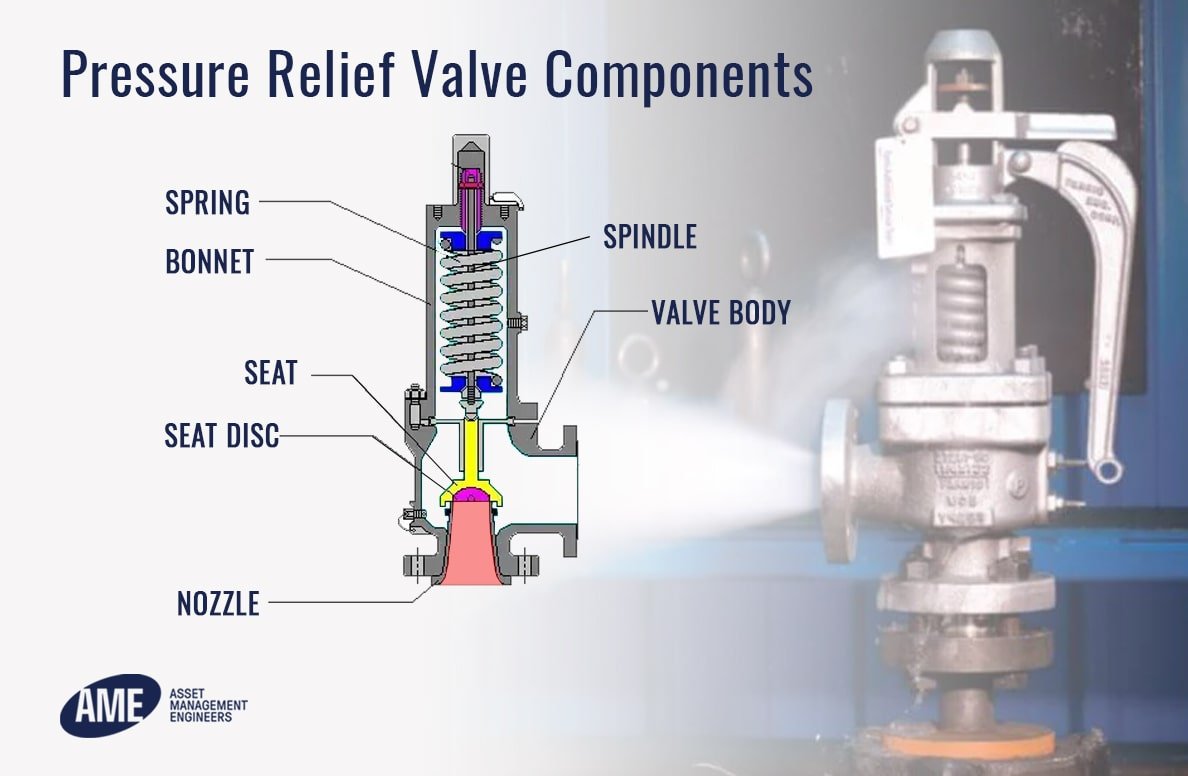
What is PRV Blowdown?
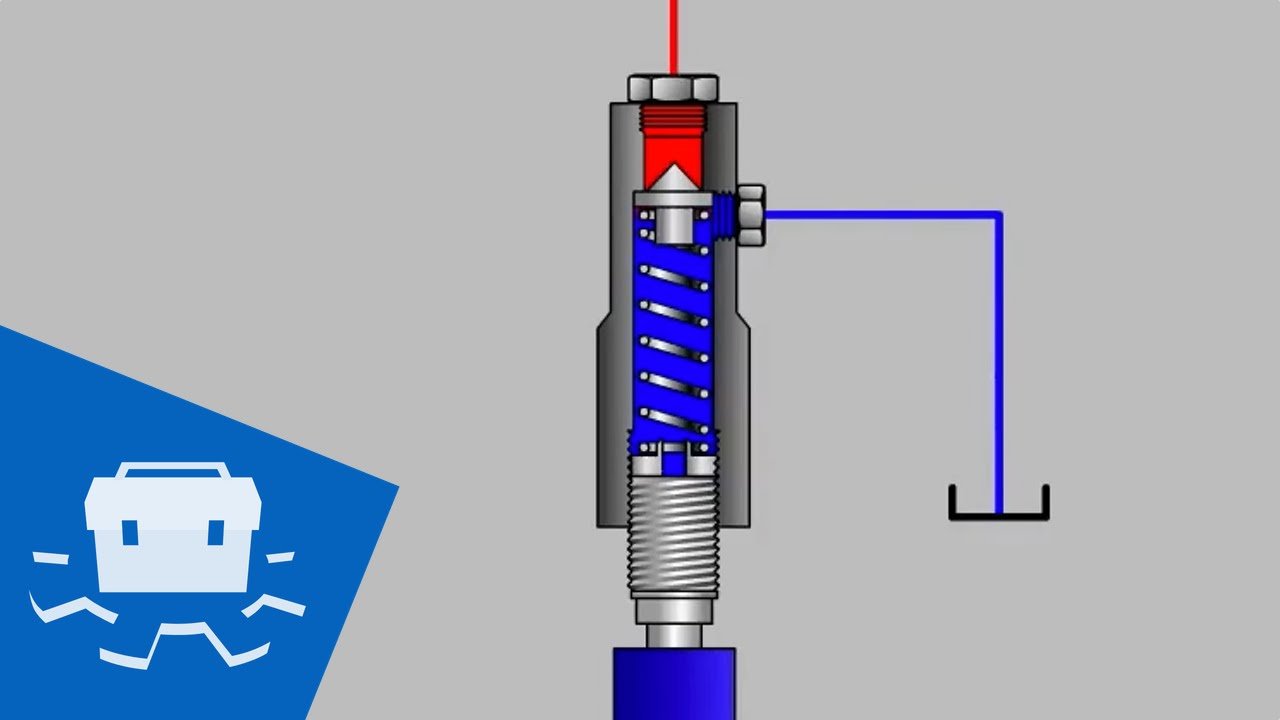
The term blowdown refers to the controlled release of pressure from a system through a pressure relief valve. It is a critical safety mechanism designed to prevent over-pressurization, which can lead to equipment damage or even catastrophic failure. The process involves reducing the system pressure to a safe level after the relief valve has opened.
Understanding the Importance of PRV Blowdown Adjustment
Proper PRV blowdown adjustment ensures that the pressure relief valve returns to its closed position at the correct time. This is crucial for maintaining system stability and preventing unnecessary wear and tear on the valve. An incorrectly adjusted PRV can lead to frequent openings, increased maintenance costs, and potential safety hazards.
Key Factors in PRV Blowdown Adjustment
1. System Pressure
The system’s operating pressure is a fundamental factor in PRV blowdown adjustment. Engineers must ensure that the valve is set to open and close at the appropriate pressure levels to maintain safety and efficiency.
2. Valve Design
The design and specifications of the pressure relief valve also influence the blowdown process. Different valve types may require specific adjustments to function optimally. It’s important to consult the manufacturer’s guidelines when adjusting PRVs.
The Role of Backpressure in PRV Blowdown
Backpressure can significantly impact the performance of a PRV. Engineers must account for this factor during the blowdown adjustment process. For more information on the impact of system backpressure on PRVs, refer to this detailed guide.
Common Issues in PRV Blowdown Adjustment
1. Inaccurate Pressure Settings
Setting the PRV to the wrong pressure can cause premature opening or closing, leading to operational inefficiencies. Regular calibration and maintenance are essential to ensure accurate settings.
2. Mechanical Wear and Tear
Frequent cycling can cause wear and tear on the valve components. This can affect the blowdown adjustment, necessitating more frequent inspections and replacements.
Strategies for Optimizing PRV Blowdown Adjustment
1. Regular Maintenance
Routine maintenance is key to ensuring that the PRV operates efficiently and safely. This includes checking for wear and tear, adjusting pressure settings, and replacing parts as needed.
2. Professional Training
Proper training for engineers and technicians can enhance their understanding of PRV operations and adjustments. This knowledge is crucial for optimizing blowdown processes and maintaining system safety.
Exploring the Impact of PRV Orientation
The orientation of a PRV can also influence its performance. Proper installation is critical to ensure that the valve functions as intended. For guidance on proper PRV orientation, explore this comprehensive resource.
Choosing the Right PRV for Your System
Selecting the appropriate PRV is essential for achieving optimal performance. Consider factors such as pressure range, temperature, and material compatibility when choosing a valve. Consulting with manufacturers and experts can help in making the right choice.
FAQs
Q1: What is the typical blowdown range for a PRV?
The blowdown range for a PRV typically falls between 2% to 7% of the set pressure. However, this can vary depending on the valve type and application.
Q2: How often should PRV blowdown adjustment be checked?
Regular inspections are recommended, with frequency depending on the system’s operational conditions. Generally, annual checks are typical, but high-stress environments may require more frequent assessments.
Q3: Can improper blowdown adjustment lead to safety risks?
Yes, incorrect adjustments can result in premature valve openings or closures, posing significant safety hazards and potentially leading to system failures.
Conclusion
Understanding and implementing correct PRV blowdown adjustment is essential for maintaining the safety and efficiency of industrial systems. By focusing on proper maintenance, professional training, and choosing the right equipment, engineers can optimize PRV performance and ensure system reliability. For more in-depth insights, consider exploring resources like Engineering.com’s guide to pressure valves.
This article contains affiliate links. We may earn a commission at no extra cost to you.