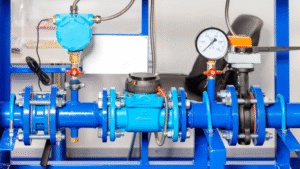
In the world of industrial engineering, the choice between fail-open vs fail-close valves is critical for the safety and efficiency of various systems. These types of valves play a pivotal role in controlling the flow of liquids and gases, ensuring that systems operate smoothly and safely. Understanding the fundamental differences between these valves is essential for engineers and anyone involved in system design and maintenance.
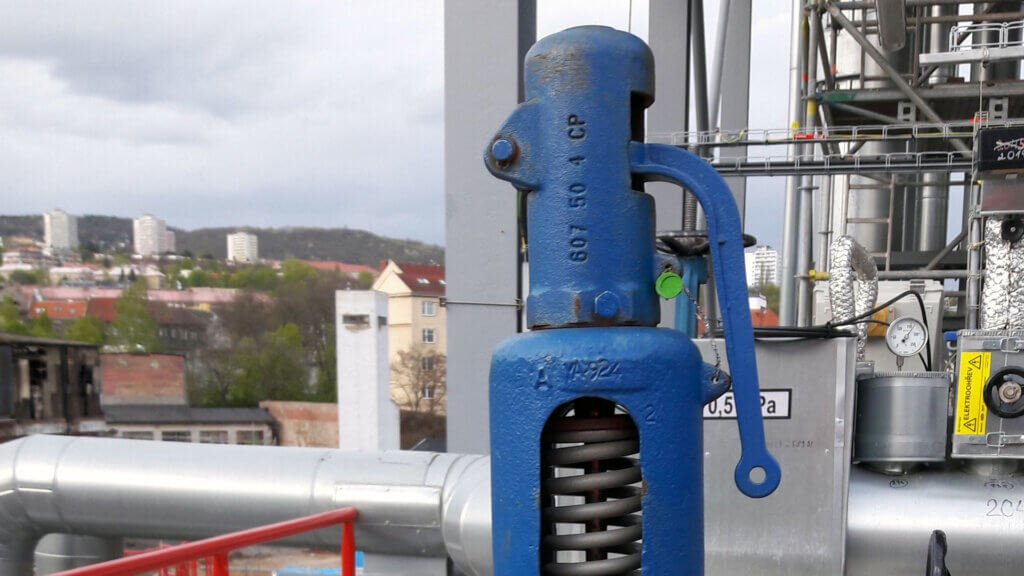
What are Fail-Open Valves?
Fail-open valves are designed to default to an open position in the event of a failure or loss of control signal. This means that if the system loses power or if the valve itself fails, it will allow the fluid or gas to continue flowing. This feature is particularly useful in scenarios where maintaining flow is crucial to prevent system damage or to ensure safety. For instance, in cooling systems, a fail-open valve can prevent overheating by allowing coolant to continue circulating.
What are Fail-Close Valves?
Conversely, a fail-close valve will default to a closed position when there is a failure or loss of control signal. This characteristic is vital in systems where stopping the flow can prevent hazardous situations or protect the integrity of the system. An example of this would be in fuel supply lines, where a fail-close valve would stop fuel flow in case of a system failure, thereby reducing the risk of fire or explosion.
Applications of Fail-Open Valves
Fail-open valves are commonly used in applications where the continuation of flow is safer than stopping it. Industries such as HVAC, where cooling water needs to flow uninterrupted, or in chemical processing, where the prevention of pressure build-up is crucial, often rely on fail-open designs. These valves ensure that even in an emergency, the system remains operational to some extent, thus protecting both equipment and personnel.
Applications of Fail-Close Valves
Fail-close valves find their use in safety-critical applications. These include steam generation plants, fuel supply systems, and other scenarios where cutting off the flow is necessary to prevent potential hazards. By closing in the event of a failure, these valves help in averting disasters, ensuring the safety of both the infrastructure and the individuals involved.
Key Differences Between Fail-Open and Fail-Close Valves
The primary difference lies in their default positions during a failure. While fail-open valves allow flow to continue, fail-close valves halt it. This fundamental difference dictates their application and usage within various industrial systems. The choice between the two depends greatly on the specific requirements of the system and the potential risks involved.
Operational Mechanism
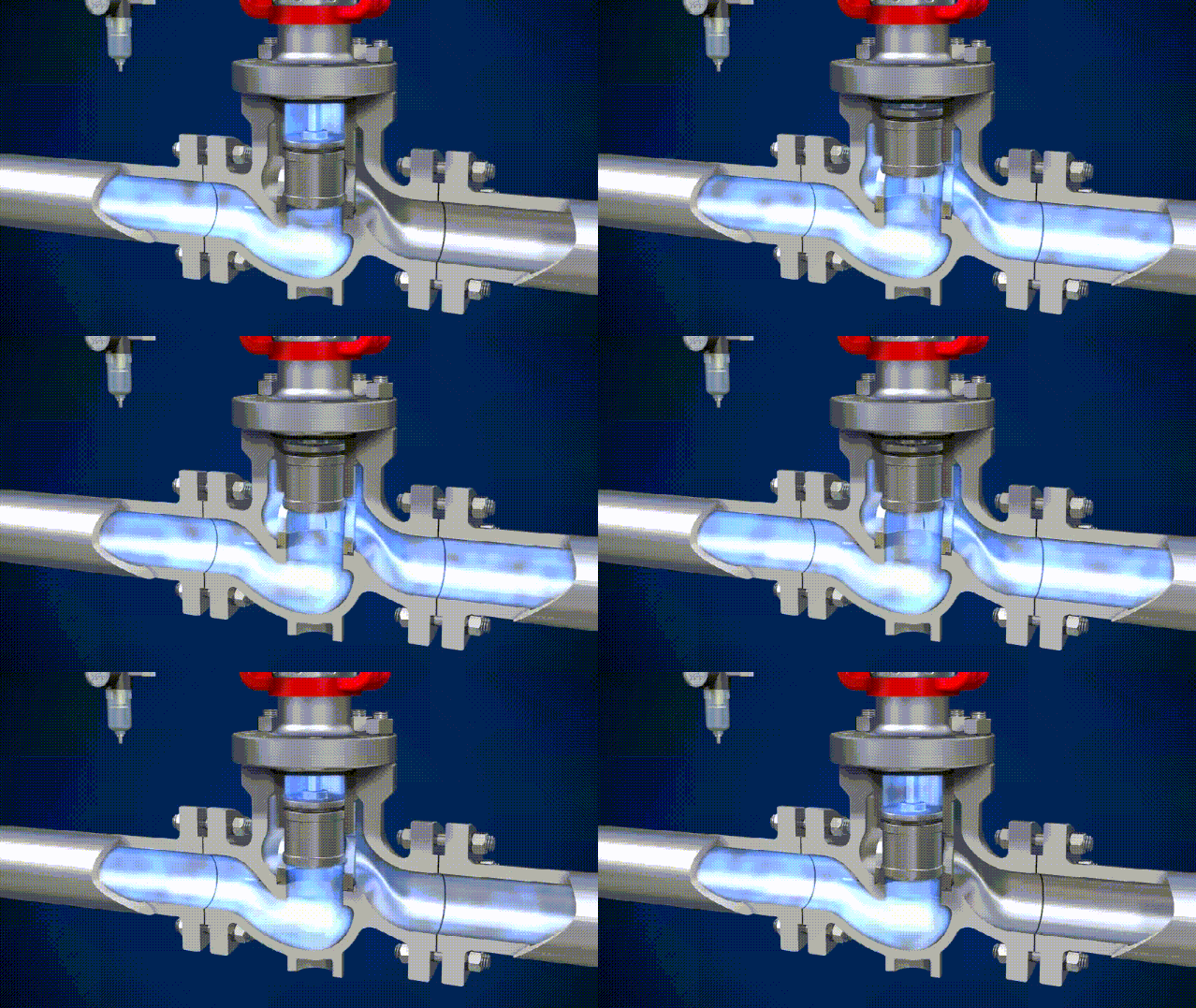
The operational mechanism of these valves is driven by the actuator’s response to control signals. In fail-open valves, the mechanism is designed to relieve pressure, whereas in fail-close valves, it is designed to hold or contain it. Understanding these mechanisms is crucial for selecting the appropriate valve type for a given application.
Maintenance Considerations
Both types of valves require regular maintenance to ensure optimal performance. However, the maintenance procedures might differ. For instance, fail-open valves may require more frequent checks to ensure that they do not inadvertently close due to system pressure changes. Similarly, fail-close valves need to be checked for any leaks that might prevent them from sealing properly in an emergency.
Choosing the Right Valve Type
Choosing between a fail-open and a fail-close valve involves assessing the potential risks and needs of the system. Engineers must consider factors such as the type of fluid, the operating environment, and the potential consequences of a valve failure. For more detailed guidance, you can refer to industry resources such as those provided by Spirax Sarco which offers insights into valve selection and application.
Impact on System Safety
The choice between fail-open and fail-close valves directly impacts system safety. In scenarios where maintaining flow is essential to prevent equipment damage, fail-open valves are preferred. Conversely, in systems where stopping the flow is critical to safety, fail-close valves are used. Understanding the safety implications of each valve type is crucial for system designers.
Cost Implications
The cost of installation and maintenance can also influence the choice of valve type. Fail-open valves might incur higher costs due to the need for more robust systems to handle continuous flow, whereas fail-close valves might require more investment in safety systems to manage potential sudden closures.
Technological Advancements in Valve Design
Recent advancements in valve technology have led to the development of more reliable and efficient fail-open and fail-close valves. Innovations such as smart valves, which can communicate with control systems to provide real-time data, are becoming increasingly popular. These advancements enhance system reliability and safety, making it easier for engineers to manage complex systems.
Integration with Control Systems
Modern valves are often integrated with sophisticated control systems that allow for better monitoring and management. This integration ensures that valves operate efficiently and respond appropriately to changes in system conditions, thereby improving overall system performance.
Conclusion
In conclusion, the decision between fail-open vs fail-close valves is a significant one that affects the safety, efficiency, and cost-effectiveness of industrial systems. Understanding the differences and applications of each type of valve is essential for engineers and system designers. Whether prioritizing continuous flow or safety shutdowns, the right valve choice can make all the difference. For further reading on related topics, you can explore more on Backpressure on PRV, Proper PRV Orientation, and Relief Valve Seal Materials.
FAQs
What is the main difference between fail-open and fail-close valves?
The main difference lies in their default position during a failure: fail-open valves allow fluid flow, while fail-close valves prevent it.
Where are fail-open valves typically used?
Fail-open valves are typically used in applications where maintaining flow is crucial, such as in cooling systems and chemical processes.
How do technological advancements impact valve design?
Technological advancements have led to the development of smart valves that provide better reliability, efficiency, and integration with control systems.
This article contains affiliate links. We may earn a commission at no extra cost to you.