
In the world of industrial engineering, ensuring the safety and efficiency of pipeline systems is crucial. One significant way this is achieved is through the use of Pressure Relief Valves (PRVs). Understanding how PRVs protect pipelines is essential for maintaining the integrity of these systems, preventing accidents, and ensuring the smooth flow of operations. This article explores the role of PRVs in safeguarding pipelines, highlighting their importance in various industries.
The Role of PRVs in Pipeline Safety
Pressure Relief Valves are paramount in maintaining safe pressure levels within pipelines. By automatically releasing excess pressure, PRVs prevent potential disasters that could arise from overpressure situations. For industries reliant on fluid transportation, such as oil and gas, chemical processing, and water treatment, the implementation of PRVs is critical.
Understanding Pressure Relief Valves
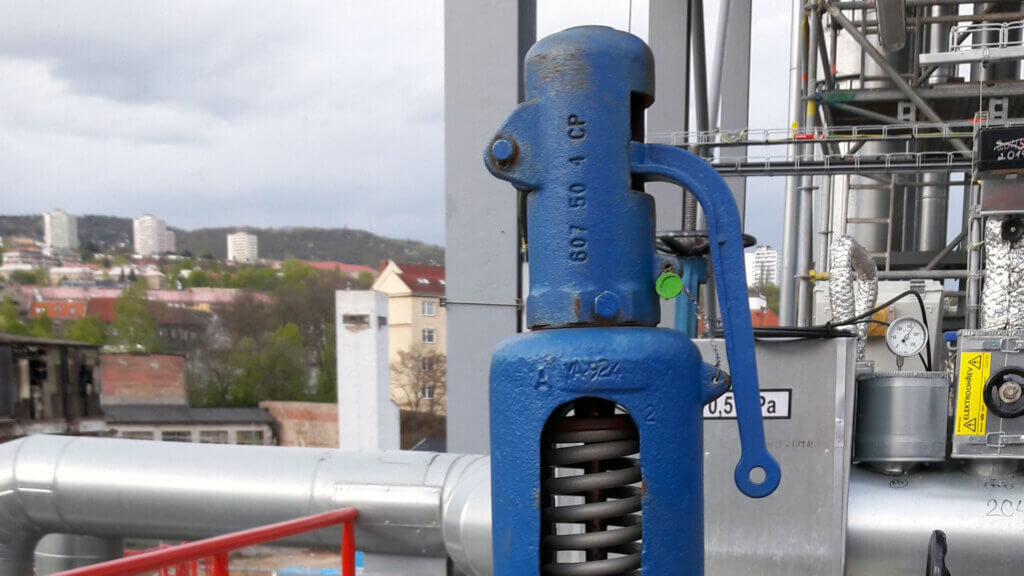
PRVs are devices designed to keep pressure within prescribed limits. They act as a safeguard, releasing pressure when it exceeds set thresholds. This mechanism not only protects the pipeline infrastructure but also prevents damage to equipment and potential hazards to personnel.
Components of a PRV System
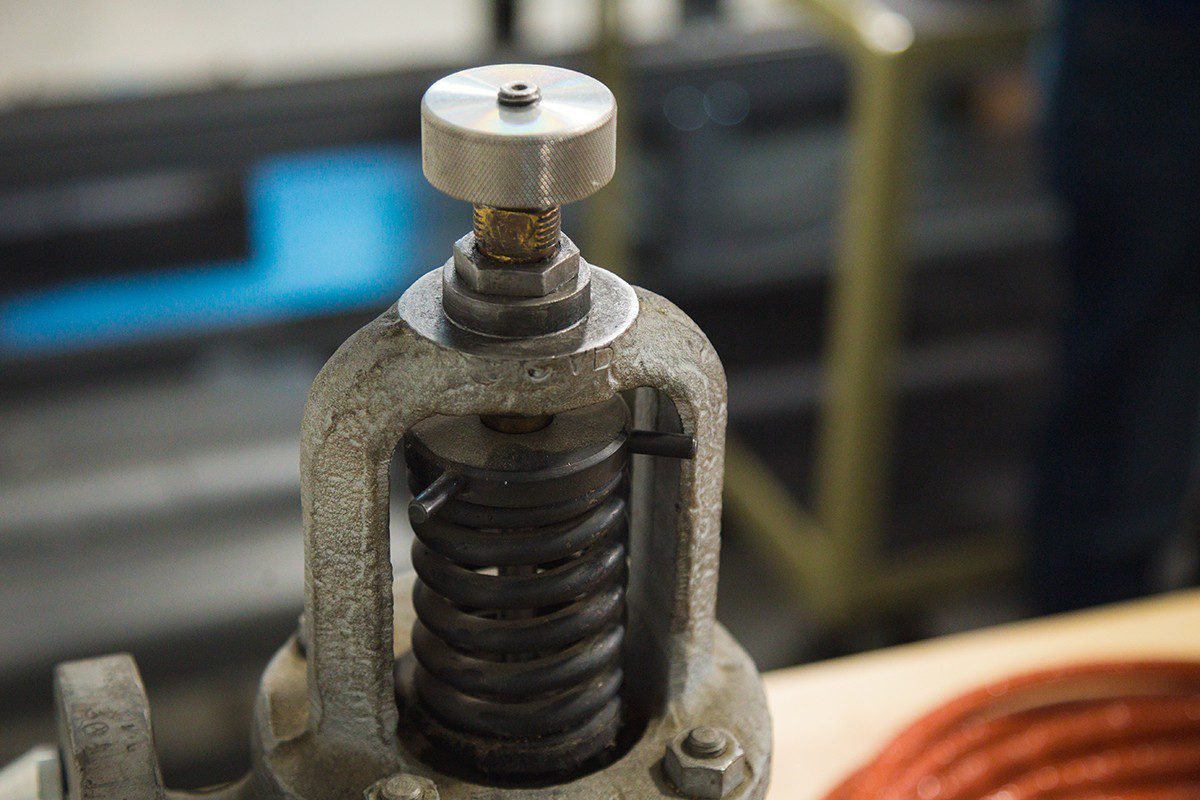
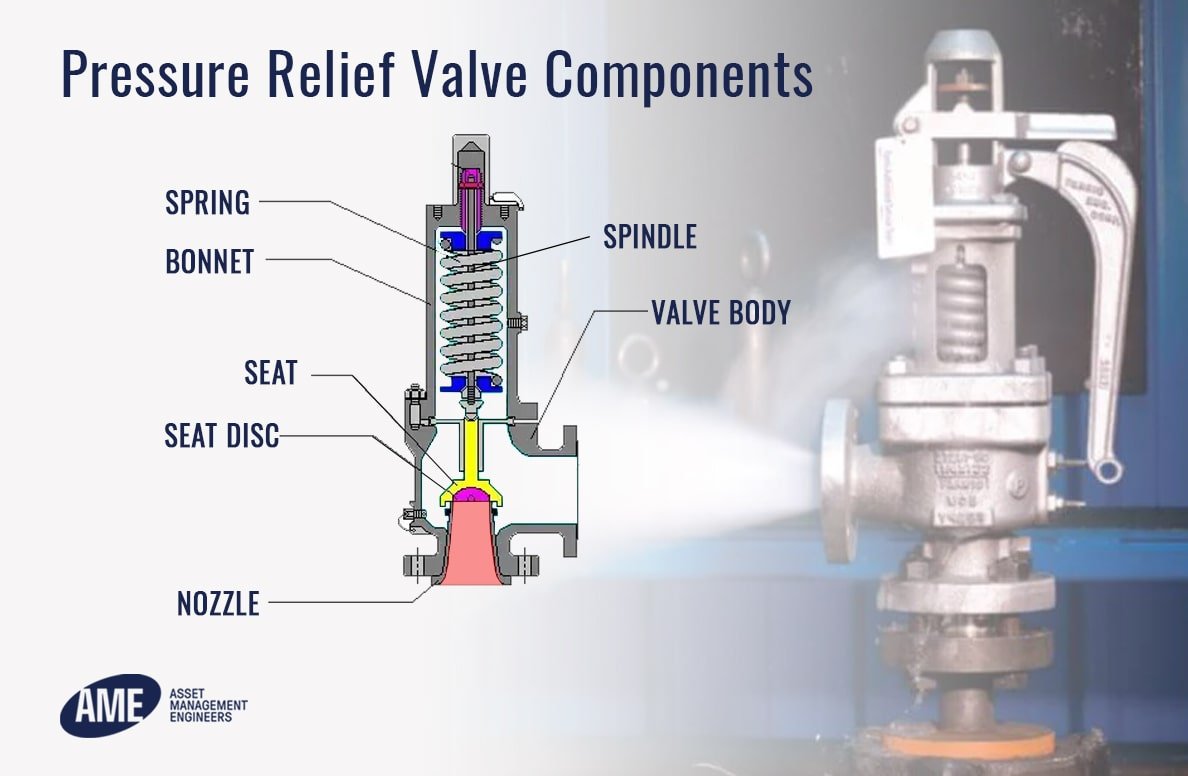
A typical PRV system consists of several components working together to maintain safety. These include the valve body, spring mechanism, and a sensing device. Each component plays a specific role in detecting and relieving excess pressure, ensuring the pipeline operates within safe parameters.
How PRVs Protect Pipelines: Mechanisms and Benefits
PRVs offer multiple advantages that contribute to the effective protection of pipelines:
Preventing Overpressure
The primary function of PRVs is to prevent overpressure within pipelines. By venting excess pressure, they avoid potential ruptures and leaks that could result from excessive force within the system.
Enhancing Operational Efficiency
By maintaining optimal pressure levels, PRVs enhance the overall efficiency of pipeline operations. This ensures that processes run smoothly without interruptions caused by pressure fluctuations.
Ensuring Equipment Longevity
Excess pressure can lead to wear and tear on pipeline components. PRVs mitigate this by preventing unnecessary stress on the system, thereby extending the lifespan of the equipment involved.
Industry Applications of PRVs
PRVs find application across a wide range of industries, each with unique requirements for pressure management:
Oil and Gas Industry
In the oil and gas sector, PRVs are vital for controlling pressure within pipelines and storage tanks. They prevent catastrophic failures that could result from pressure build-up, ensuring the safety of personnel and the environment.
Chemical Processing
Chemical plants rely heavily on PRVs to manage pressure changes during various processing stages. This ensures that reactions occur safely and efficiently without risk of overpressure incidents.
Water Treatment Facilities
In water treatment plants, PRVs help maintain consistent pressure levels, ensuring the smooth distribution of treated water. This is essential for delivering safe and reliable water supplies to communities.
Choosing the Right PRV for Your Pipeline
Selecting an appropriate PRV is crucial for ensuring its effectiveness. Factors to consider include pressure range, fluid type, and operating temperature. Consulting with experts can help in making informed decisions tailored to specific industrial needs.
Considerations for PRV Installation
Proper installation of PRVs is vital for their optimal performance. Key considerations include positioning, accessibility for maintenance, and adherence to industry standards and regulations. For more information on PRV installation, visit PRV Design Standards.
Maintaining PRV Systems
Regular maintenance is essential for ensuring the reliability of PRV systems. Routine inspections and testing help identify potential issues early, preventing costly breakdowns and maintaining consistent safety standards.
Testing and Calibration
Regular testing and calibration of PRVs ensure they operate within specified parameters. This prevents failures during critical pressure events, maintaining the safety and integrity of the pipeline system.
Replacing Worn-out Components
Over time, components of a PRV may wear out due to continuous operation. Timely replacement of these parts is crucial for maintaining the valve’s effectiveness. For detailed guidance on PRV replacement, refer to PRV Replacement Procedure.
Challenges and Solutions in PRV Implementation
While PRVs play a vital role in pipeline safety, their implementation can present challenges. Common issues include improper sizing, incorrect pressure settings, and inadequate maintenance. Addressing these challenges requires a proactive approach and adherence to best practices.
Overcoming Sizing Challenges
Ensuring the correct size of a PRV is crucial for its effectiveness. Incorrect sizing can lead to inadequate pressure relief or premature valve activation. Consulting with professionals and using industry-standard sizing methods can help overcome this challenge.
Optimizing Pressure Settings
Setting the right pressure thresholds is essential for PRV functionality. Incorrect settings can result in frequent activations or failure to relieve pressure when needed. For more insights on optimizing pressure settings, explore Valve Pressure Settings.
Future Trends in PRV Technology
Technological advancements continue to shape the field of PRVs, enhancing their performance and reliability. Emerging trends include smart PRVs with remote monitoring capabilities and improved materials for durability. These innovations pave the way for more efficient and safer pipeline operations.
Smart PRVs and IoT Integration
The integration of Internet of Things (IoT) technology into PRVs allows for real-time monitoring and data analysis. This enables proactive maintenance and early detection of potential issues, enhancing overall safety and efficiency.
Advanced Materials for PRVs
Advancements in materials science have led to the development of more robust PRVs capable of withstanding harsh environments. These materials enhance the durability and longevity of PRV systems, reducing the need for frequent replacements.
Conclusion
Understanding how PRVs protect pipelines is essential for ensuring the safety and efficiency of industrial operations. By preventing overpressure and enhancing operational efficiency, PRVs play a crucial role in safeguarding pipelines across various industries. As technology continues to evolve, the future of PRVs holds exciting possibilities for even greater safety and performance.
FAQ Section
What is the primary function of a PRV?
The primary function of a Pressure Relief Valve (PRV) is to release excess pressure within a pipeline system, preventing potential damage and ensuring safe operations.
How often should PRVs be maintained?
PRVs should be inspected and maintained regularly, typically every six months to a year, depending on the specific industry requirements and operational conditions.
Can PRVs be used in high-temperature environments?
Yes, PRVs can be designed to operate in high-temperature environments. It’s essential to choose a PRV with appropriate materials and specifications for such conditions. For more information, visit PRV Operating Temperature Limits.
For further information on the differences between safety valves and relief valves, you can visit this external resource.
This article contains affiliate links. We may earn a commission at no extra cost to you.