Understanding the temperature effect on PRV operation is crucial for industrial engineers who work with pressure relief valves (PRVs). These valves play a vital role in maintaining safety and efficiency in various industrial systems. When temperatures fluctuate, it can significantly impact the performance and reliability of PRVs. This article delves into how temperature changes affect PRV operation and what measures can be taken to mitigate these effects.
The Basics of Pressure Relief Valves (PRVs)
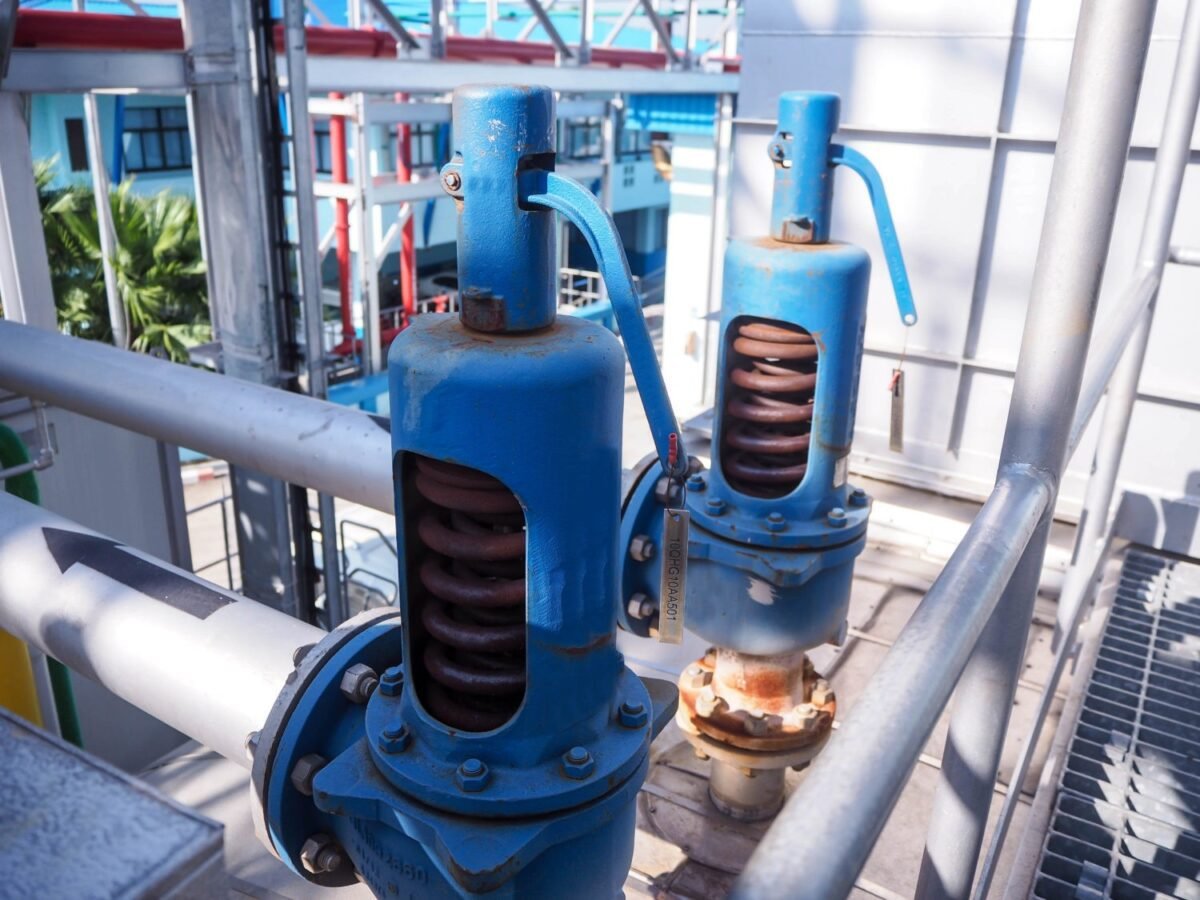
PRVs are essential components in industrial systems, designed to release excess pressure and prevent equipment damage or failure. They act as safety devices by opening at predetermined pressure levels. Understanding the basics of PRVs is vital to comprehend how temperature changes can impact their operation.
How Temperature Affects PRV Functionality
Temperature variations can affect the materials and mechanisms within a PRV, leading to changes in its operational efficiency. When temperatures rise, materials may expand, potentially causing the valve to open at lower pressures than intended. Conversely, cold temperatures can cause contraction, making it harder for the valve to open.
Material Expansion and Contraction
The materials used in PRVs, such as metals and seals, are subject to thermal expansion and contraction. This can alter the valve’s set pressure and its ability to seal properly. Engineers must consider these factors when selecting materials for PRVs to ensure optimal performance.
Impact on Valve Springs
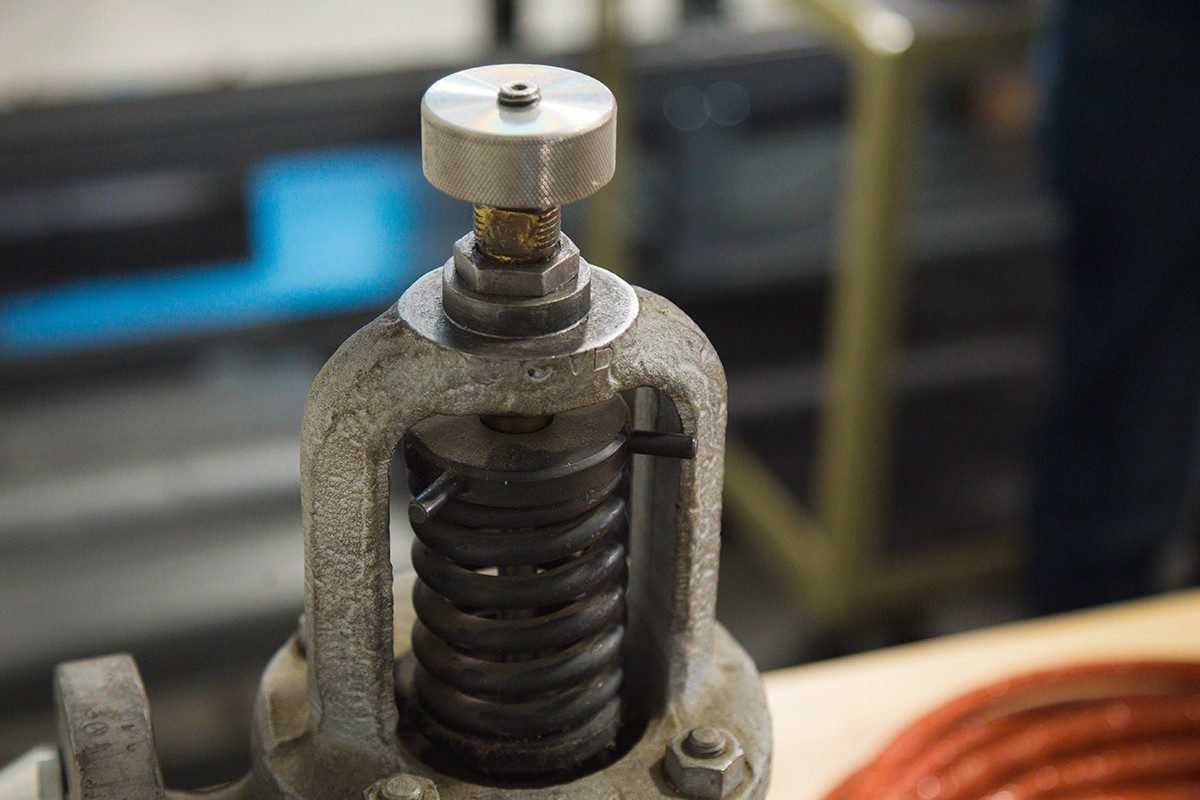
The springs in PRVs are critical for controlling when the valve opens and closes. Temperature changes can affect the spring’s tension and stiffness, impacting the valve’s accuracy and responsiveness. Regular maintenance and testing are necessary to ensure the springs function correctly under varying temperatures.
Strategies to Mitigate Temperature Effects
To maintain the reliability of PRVs in fluctuating temperatures, engineers can implement several strategies. Selecting the right materials, conducting regular maintenance, and adjusting valve settings are effective ways to address temperature-related challenges.
Material Selection
Choosing materials with low thermal expansion coefficients can help minimize the impact of temperature changes on PRVs. Materials like stainless steel and certain polymers offer better performance in temperature-sensitive environments.
Regular Maintenance and Testing
Scheduled maintenance and testing of PRVs can identify potential issues caused by temperature fluctuations. By inspecting and adjusting the valve’s components, engineers can ensure optimal performance and safety.
Adjusting Valve Settings
In some cases, adjusting the valve’s pressure settings may be necessary to accommodate temperature changes. This can involve recalibrating the set pressure or modifying the spring tension to ensure accurate and reliable operation.
Understanding PRV Design Standards
To ensure PRVs operate effectively in varying temperatures, it’s essential to adhere to industry design standards. These standards provide guidelines for material selection, testing procedures, and valve settings. More information on PRV design standards can be found on PRV design standards.
The Importance of Valve Pressure Settings
Accurate pressure settings are crucial for the proper operation of PRVs. Engineers must ensure that the valve’s set pressure aligns with the system’s requirements, even in fluctuating temperatures. Learn more about the importance of valve pressure settings at importance of valve pressure settings.
Temperature Limits and PRV Operation
Understanding the operating temperature limits of PRVs is critical for maintaining safety and efficiency. PRVs are designed to function within specific temperature ranges, and exceeding these limits can compromise their performance. For more information, visit PRV operating temperature limits.
Common Challenges Faced by Engineers
Industrial engineers often face challenges when dealing with temperature effects on PRVs. These challenges include selecting the appropriate materials, maintaining accurate pressure settings, and ensuring reliable operation in extreme conditions.
Material Compatibility
Ensuring material compatibility with the operating environment is crucial for PRV performance. Engineers must consider factors such as temperature, pressure, and chemical exposure when selecting materials.
Calibration and Testing
Regular calibration and testing of PRVs are essential to ensure they operate accurately under varying conditions. This involves checking the valve’s set pressure and adjusting it as necessary to maintain optimal performance.
Addressing Extreme Temperatures
In environments with extreme temperatures, additional measures may be required to protect PRVs. This can include using insulation, heat tracing, or specialized materials designed to withstand harsh conditions.
Case Studies: Real-World Applications
Case studies provide valuable insights into how temperature affects PRV operation in real-world applications. These examples illustrate the challenges faced by engineers and the solutions implemented to ensure reliable PRV performance.
Case Study 1: Oil Refinery
An oil refinery faced issues with PRVs due to temperature fluctuations. By selecting materials with low thermal expansion and adjusting valve settings, the refinery improved PRV reliability and safety.
Case Study 2: Chemical Plant
A chemical plant experienced PRV failures in extreme temperatures. By implementing regular maintenance and testing, the plant ensured consistent PRV operation and minimized downtime.
The Role of Technology in PRV Management
Advancements in technology have improved the management of PRVs in temperature-sensitive environments. Digital monitoring systems provide real-time data on valve performance, allowing engineers to make informed decisions and enhance safety.
Digital Monitoring Systems
Digital monitoring systems offer continuous data on PRV performance, including temperature and pressure levels. This information helps engineers identify potential issues and take corrective actions before they lead to failures.
Predictive Maintenance
Predictive maintenance uses data analytics to anticipate PRV issues before they occur. By analyzing temperature and pressure data, engineers can schedule maintenance proactively, reducing the risk of unexpected failures.
Conclusion
Understanding the temperature effect on PRV operation is essential for industrial engineers to ensure the safety and efficiency of their systems. By selecting the right materials, conducting regular maintenance, and utilizing advanced technologies, engineers can mitigate the challenges posed by temperature fluctuations. As technology continues to evolve, so too will the strategies and solutions available to address these challenges.
FAQ
What is a Pressure Relief Valve (PRV)?
A Pressure Relief Valve (PRV) is a safety device designed to release excess pressure from a system to prevent equipment damage or failure. It opens at a predetermined pressure level to maintain system safety.
How does temperature affect PRV operation?
Temperature changes can affect PRV operation by causing material expansion or contraction, altering spring tension, and impacting the valve’s pressure settings. These changes can affect the valve’s accuracy and reliability.
What are some strategies to mitigate temperature effects on PRVs?
Strategies to mitigate temperature effects on PRVs include selecting materials with low thermal expansion, conducting regular maintenance and testing, and adjusting valve pressure settings to accommodate temperature changes.
This article contains affiliate links. We may earn a commission at no extra cost to you.