In the realm of industrial engineering, understanding relief valve actuation methods is crucial. These valves play a vital role in ensuring safety and maintaining pressure control within various systems. Whether you are involved in oil and gas, manufacturing, or any industry that requires pressure regulation, knowing these methods can make a significant difference in operational efficiency and safety.
Introduction to Relief Valves
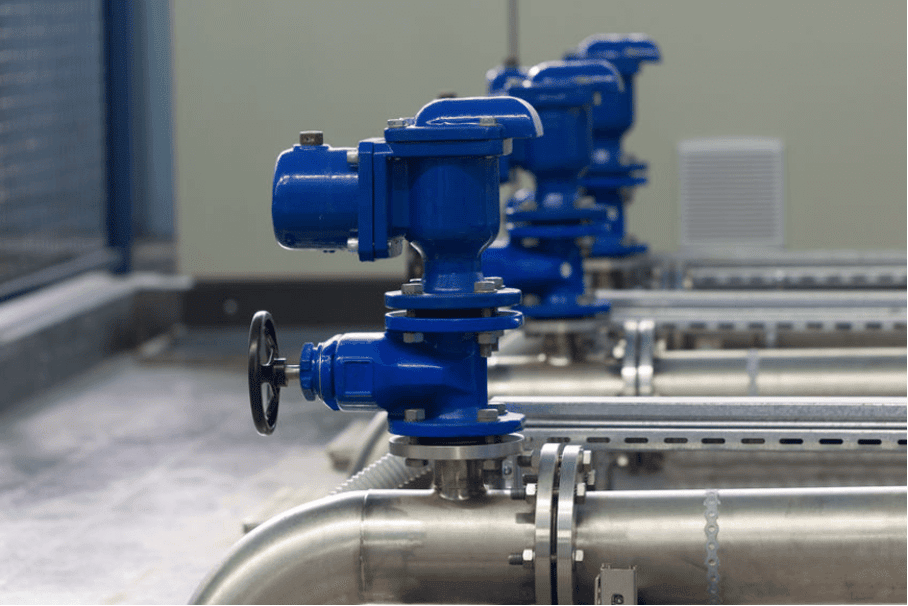
Relief valves are essential components designed to automatically release pressure from a system when it exceeds a preset limit. This function is critical to preventing equipment damage and ensuring the safety of workers and the environment. To delve deeper into how they work, it is essential to explore the various actuation methods that make these valves effective.
Why Actuation Methods Matter
The choice of actuation method can affect the performance, reliability, and suitability of the relief valve for specific applications. Different industries may require different methods based on their unique operational demands. Therefore, understanding the available options is key to selecting the right valve for your needs.
Types of Relief Valve Actuation Methods
Spring-Loaded Actuation
One of the most common methods is spring-loaded actuation. In this method, a spring applies force to keep the valve closed until the system pressure exceeds the spring force, causing the valve to open. This method is popular due to its simplicity and reliability.
Pilot-Operated Actuation
Pilot-operated valves use system pressure to assist the opening mechanism. This method is advantageous in applications where precise pressure control is necessary. The pilot valve ensures that the main valve opens only when needed, providing greater control and reducing the risk of unnecessary pressure release.
Direct-Acting Actuation
Direct-acting relief valves do not rely on external power sources or pilot valves. Instead, they open purely based on system pressure. This method is often used in smaller systems where simplicity is a priority.
Electrically Actuated Valves
In some modern applications, relief valves are actuated electrically. This method offers precise control and can be integrated with automated systems for enhanced monitoring and response capabilities.
Considerations for Choosing Actuation Methods
System Pressure Requirements
The system’s operating pressure plays a crucial role in determining the appropriate actuation method. Different methods have varying pressure limits and response characteristics.
Environmental Conditions
Environmental factors such as temperature, humidity, and exposure to corrosive substances can impact the performance of relief valves. Selecting a method that can withstand these conditions is vital.
Maintenance and Longevity
Some actuation methods require more frequent maintenance than others. Evaluating the maintenance needs and expected lifespan of the valve can influence your choice.
Industry-Specific Applications
Oil and Gas Industry
In the oil and gas industry, where high pressures and hazardous environments are common, pilot-operated and spring-loaded valves are often preferred for their reliability and ability to handle challenging conditions.
Manufacturing Sector
For manufacturing applications, electrically actuated valves may be advantageous due to their integration capabilities with automated systems, ensuring precise pressure control and safety.
Water Treatment Facilities
In water treatment, direct-acting valves are often used due to their simplicity and ability to operate without external power sources, ensuring consistent performance.
Frequently Asked Questions About Relief Valve Actuation Methods
What is the most common actuation method for relief valves?
The most common method is the spring-loaded actuation, valued for its simplicity and reliability across various industries.
How do pilot-operated valves differ from direct-acting valves?
Pilot-operated valves use system pressure to assist the opening mechanism, offering precise control, while direct-acting valves operate purely based on system pressure without external assistance.
Can electrically actuated valves be used in all applications?
While electrically actuated valves offer precision and integration capabilities, they may not be suitable for all environments, particularly those lacking reliable power sources.

Conclusion
Understanding the various relief valve actuation methods is essential for selecting the right valve for your application. Each method offers unique advantages and considerations, making it important to assess your system’s specific needs. By choosing the appropriate actuation method, you can enhance the safety, efficiency, and reliability of your industrial operations.
For more insights into the importance of valve pressure settings or to learn more about testing PRVs, you can visit Valvex.ai. For further reading, check out this detailed guide on pressure reducing valves.
This article contains affiliate links. We may earn a commission at no extra cost to you.