
Calculating the flow rate of a Pressure Relief Valve (PRV) is crucial for ensuring the safety and efficiency of industrial systems. A correctly calculated PRV flow rate helps in maintaining system pressure, preventing equipment damage, and ensuring operational safety. This article will guide you through the PRV flow rate calculation process, providing insights into its significance and methods.
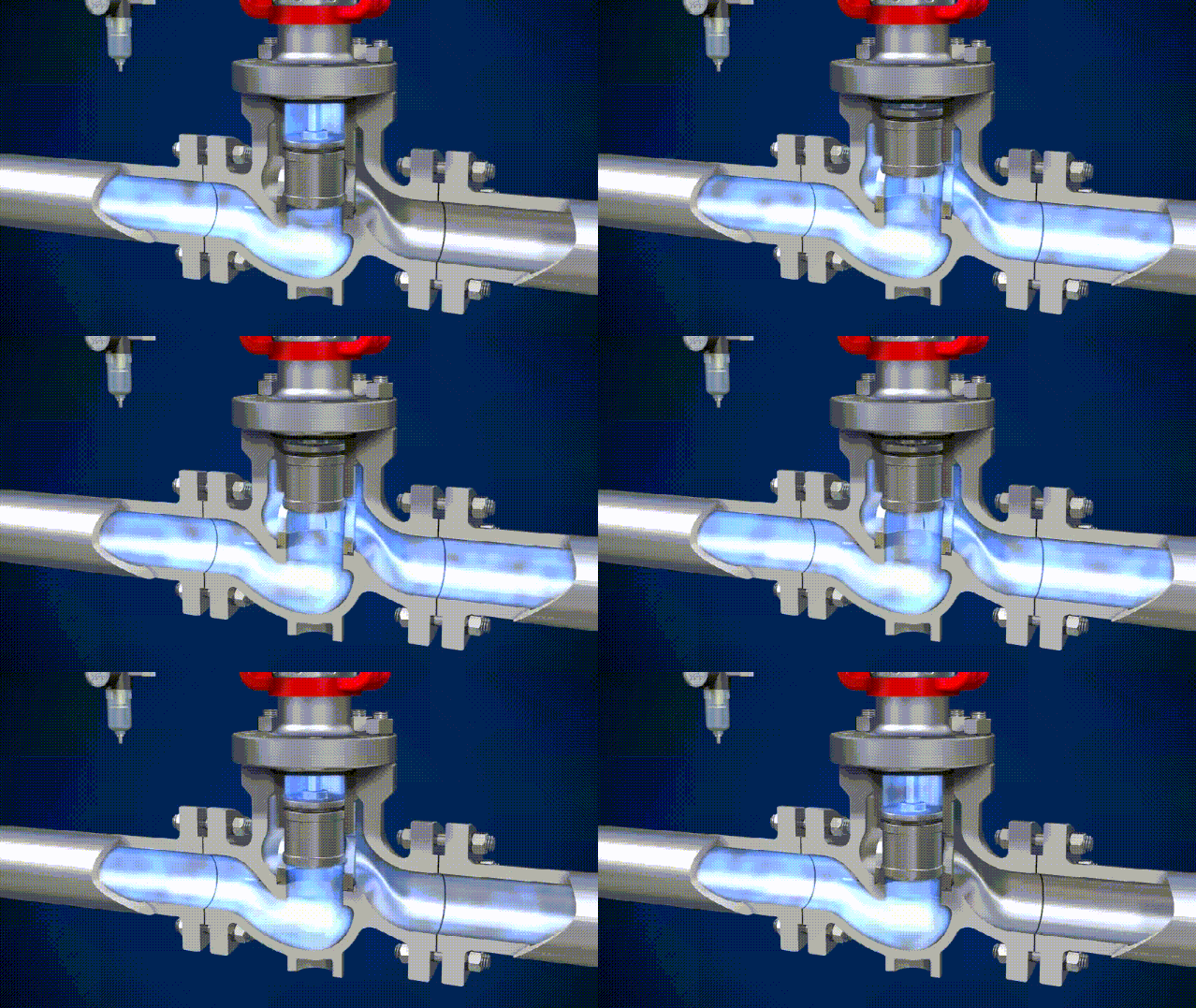
What is a Pressure Relief Valve?
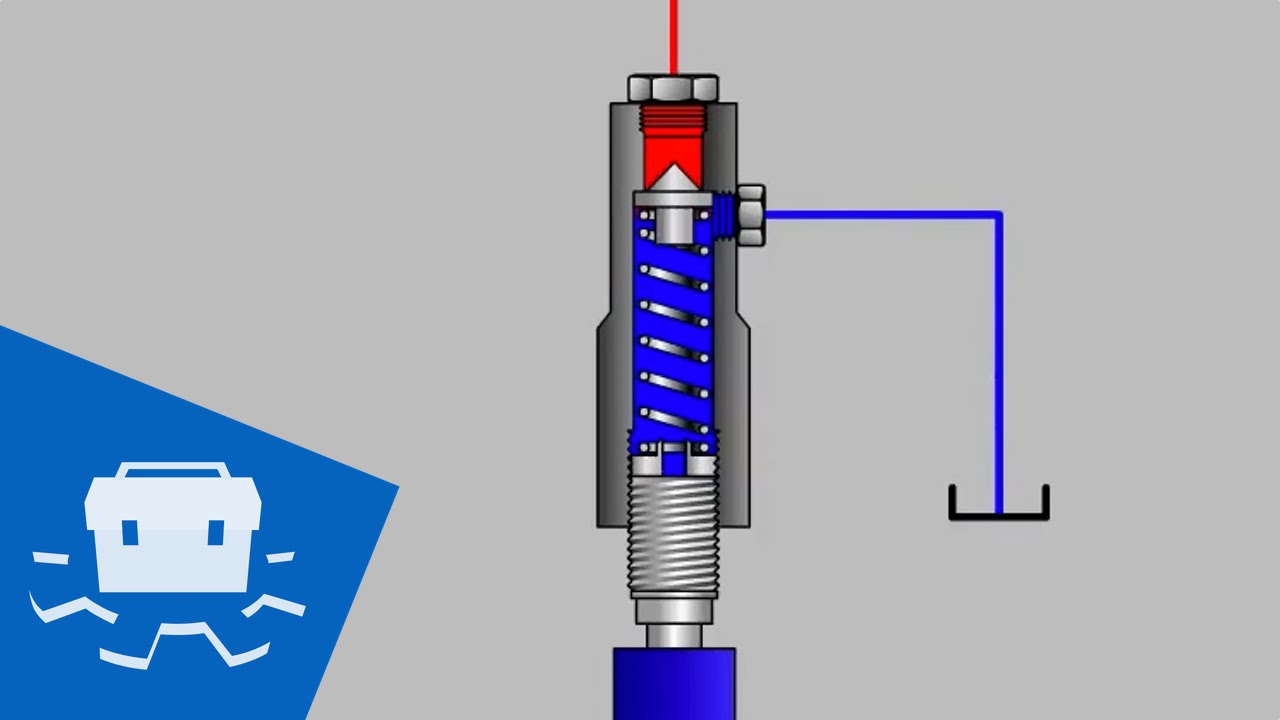
A Pressure Relief Valve (PRV) is a safety device designed to protect a system from excessive pressure. When the pressure in a system exceeds a predetermined limit, the PRV opens to release the excess pressure, thus preventing potential damage or failure. Understanding how to calculate the PRV flow rate is essential for selecting the right valve for your system.
Importance of PRV Flow Rate Calculation
The PRV flow rate calculation is important because it determines the amount of fluid that can be safely released from the system when the pressure exceeds safe levels. This ensures that the pressure does not build up to a dangerous level, which could lead to equipment failure or even accidents. Proper calculation is also vital for compliance with industry standards and regulations.
Elements Affecting PRV Flow Rate
Several factors affect the PRV flow rate, including:
- Set Pressure: The pressure at which the PRV is set to open.
- Back Pressure: The pressure on the downstream side of the valve.
- Temperature: The temperature of the fluid affects its density and viscosity.
- Fluid Properties: The type of fluid (gas, liquid, or steam) affects the flow rate.
Steps to Calculate PRV Flow Rate
Heres a step-by-step guide to calculate the PRV flow rate:
Step 1: Determine the Set Pressure
The set pressure is the pressure at which the valve will open. It is crucial to know this value to ensure the PRV functions correctly under the system’s operating conditions.
Step 2: Identify the Back Pressure
Back pressure is the pressure on the outlet side of the valve. It can affect the opening pressure and flow rate of the PRV. Consider both constant and variable back pressures in your calculations.
Step 3: Assess Fluid Properties
The properties of the fluid, such as density and viscosity, are important for calculating the flow rate. Different fluids have different characteristics that influence how they flow through a PRV.
Step 4: Use the Appropriate Formula
There are different formulas for calculating the PRV flow rate, depending on the type of fluid. For example, the formula for gases differs from that for liquids. Ensure you are using the correct formula for your specific application.
PRV Flow Rate Formulas
Here are some common formulas used in PRV flow rate calculation:
Gas Flow Rate Calculation
For gases, the flow rate can be calculated using the following formula:
Q = C x A x (P1 - P2)^0.5
Where:
Q = Flow rate
C = Flow coefficient
A = Valve area
P1 = Inlet pressure
P2 = Outlet pressure
Liquid Flow Rate Calculation
For liquids, use this formula:
Q = C x A x (2 x (P1 - P2) / )^0.5
Where:
= Density of the liquid
Common Mistakes in PRV Flow Rate Calculation
Some common mistakes include:
- Ignoring changes in fluid properties due to temperature variations.
- Not accounting for back pressure properly.
- Using incorrect formulas for the type of fluid.
Tools and Resources
Several tools and resources can assist in PRV flow rate calculation. Software packages and online calculators are available to simplify the process. However, it is essential to understand the underlying principles to ensure accuracy.
For further reading on PRV standards, you might find this ASME Code for Pressure Relief Valves useful. Additionally, understanding the API 526 Valve Dimensions can provide insights into valve sizing.
FAQs
What is the role of a PRV?
A PRV controls system pressure by releasing excess fluid, thus preventing overpressure situations.
How often should PRV flow rate be calculated?
It should be calculated during system design and whenever significant changes to the system occur.
Can PRV flow rate calculations be automated?
Yes, various software solutions can automate the calculations, but understanding the process is still crucial.
Learn more about the importance of safety valves from this external resource.
This article contains affiliate links. We may earn a commission at no extra cost to you.