
In the world of industrial engineering, the term blowdown in safety relief valves holds significant importance. These valves play a crucial role in maintaining the safety and efficiency of various industrial processes. Understanding the concept of blowdown is essential for engineers and operators to ensure the proper functioning of these valves and prevent potential hazards.
The Basics of Safety Relief Valves
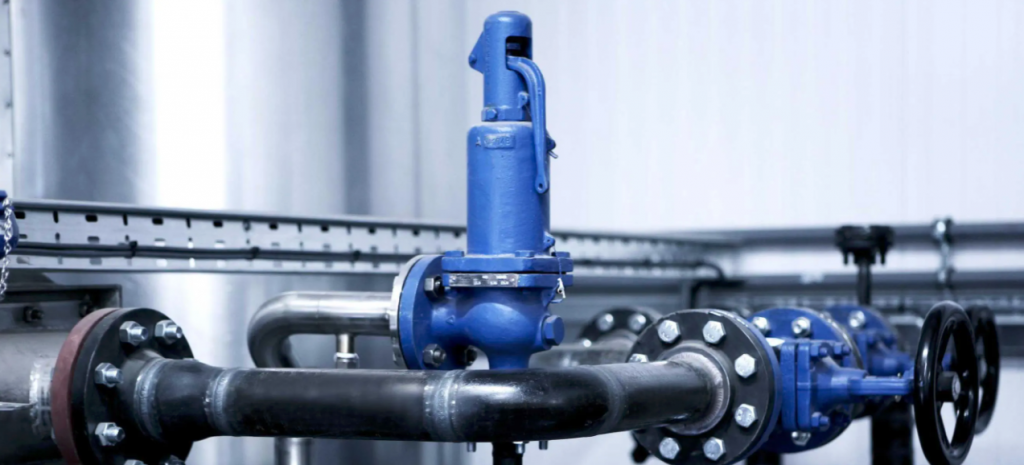
Before delving into the specifics of blowdown, it’s essential to grasp the fundamental function of safety relief valves. These valves are designed to release excess pressure from equipment, such as boilers or pressure vessels, to prevent catastrophic failures. They act as a safeguard, ensuring that systems operate within safe pressure limits.
What is Blowdown?
Blowdown refers to the difference between the set pressure and the reseating pressure of a safety relief valve. It is a critical parameter that determines the valve’s performance and efficiency. When the system pressure exceeds the set pressure, the valve opens to release the excess pressure. Once the pressure drops to a safe level, the valve reseats. The pressure difference between these two points is known as blowdown.
Why is Blowdown Important?
The importance of blowdown lies in its impact on the overall safety and efficiency of industrial systems. A well-calibrated blowdown ensures that the valve opens and closes at the appropriate pressure levels, preventing unnecessary pressure buildup and potential equipment damage.
Factors Affecting Blowdown
Several factors can influence the blowdown of a safety relief valve. Understanding these factors is crucial for engineers to optimize valve performance.
Valve Design
The design of the safety relief valve plays a significant role in determining the blowdown. Different valve designs have varying blowdown characteristics, affecting how quickly the valve opens and reseats. Engineers must choose the appropriate valve design for their specific application to achieve optimal blowdown performance. For more detailed design standards, you can refer to PRV Design Standards.
System Pressure
The operating pressure of the system also impacts blowdown. Higher system pressures may require a larger blowdown to ensure the valve reseats properly. Engineers must consider the system pressure when selecting and calibrating safety relief valves.
Spring Force
The spring force within the valve affects its blowdown characteristics. A stronger spring force can lead to a larger blowdown, while a weaker spring force may result in a smaller blowdown. Engineers must carefully select the appropriate spring force to achieve the desired blowdown for their system.
Optimizing Blowdown for Safety and Efficiency
To ensure the safety and efficiency of industrial systems, optimizing blowdown is crucial. Engineers can follow several strategies to achieve this goal.
Regular Maintenance
Regular maintenance is essential to ensure that safety relief valves function correctly. Over time, wear and tear can affect the valve’s blowdown characteristics. Routine inspections and maintenance can identify and address any issues, ensuring optimal blowdown performance. For a comprehensive troubleshooting guide, you can visit PRV Troubleshooting Guide.
Proper Calibration
Calibrating safety relief valves to the specific requirements of the system is vital. Proper calibration ensures that the valve opens and closes at the correct pressure levels, reducing the risk of overpressure and equipment damage.
Advanced Monitoring Systems
Implementing advanced monitoring systems can enhance the performance of safety relief valves. These systems provide real-time data on valve operation, allowing engineers to make informed decisions regarding blowdown optimization.
The Role of Standards and Regulations
Standards and regulations play a significant role in ensuring the safe and efficient operation of safety relief valves. Engineers must adhere to these standards to maintain compliance and prevent potential hazards. For more information on the ASME code for pressure relief valves, you can refer to ASME Code for Pressure Relief Valves.
ASME and API Standards
The American Society of Mechanical Engineers (ASME) and the American Petroleum Institute (API) provide guidelines for the design, installation, and maintenance of safety relief valves. These standards outline the requirements for blowdown and ensure that valves operate safely and efficiently.
Compliance and Certification
Compliance with industry standards and obtaining certification for safety relief valves are crucial for ensuring their reliability. Certified valves have undergone rigorous testing to verify their performance and blowdown characteristics.
Common Challenges in Blowdown Management
While optimizing blowdown is essential, engineers may face several challenges in achieving this goal. Understanding these challenges can help engineers develop effective solutions.
Incorrect Valve Sizing
Incorrect valve sizing can lead to inadequate blowdown performance. Engineers must carefully select the appropriate valve size based on the system’s requirements to avoid this issue. For information on valve dimensions, you can check API 526 Valve Dimensions.
System Changes
Changes in system pressure or operating conditions can affect blowdown performance. Engineers must regularly assess the system and make necessary adjustments to maintain optimal blowdown.
Environmental Factors
Environmental factors, such as temperature fluctuations and corrosion, can impact the performance of safety relief valves. Engineers must consider these factors when designing and maintaining valves to ensure proper blowdown.
Future Trends in Safety Relief Valve Technology
The field of safety relief valve technology is continuously evolving, with new advancements and trends emerging. Understanding these trends can help engineers stay ahead and optimize blowdown performance.
Smart Valves
The integration of smart technology in safety relief valves is gaining popularity. Smart valves offer real-time monitoring and data analysis, allowing engineers to make informed decisions regarding blowdown optimization.
Advanced Materials
The use of advanced materials in valve construction is enhancing their performance and durability. These materials can withstand extreme conditions and improve blowdown characteristics.
Predictive Maintenance
Predictive maintenance techniques are becoming more prevalent in the industry. By utilizing data analytics and machine learning, engineers can predict potential issues and optimize blowdown performance.
Conclusion
In conclusion, blowdown in safety relief valves is a critical parameter that affects the safety and efficiency of industrial systems. Understanding the factors influencing blowdown and implementing strategies for optimization are essential for engineers and operators. By adhering to industry standards and staying informed about future trends, engineers can ensure the reliable performance of safety relief valves and prevent potential hazards.
Frequently Asked Questions
What is the purpose of blowdown in safety relief valves?
Blowdown ensures that the safety relief valve opens and closes at the correct pressure levels, preventing overpressure and equipment damage.
How can blowdown be optimized for safety relief valves?
Blowdown can be optimized through regular maintenance, proper calibration, and the implementation of advanced monitoring systems.
What are the common challenges in blowdown management?
Common challenges include incorrect valve sizing, changes in system conditions, and environmental factors affecting valve performance.
What role do standards and regulations play in blowdown management?
Standards and regulations ensure the safe and efficient operation of safety relief valves by providing guidelines for blowdown requirements and valve certification.
This article contains affiliate links. We may earn a commission at no extra cost to you.