
Corrosion in pressure relief valves is an issue that often goes unnoticed until it causes significant damage. These valves are critical for ensuring the safety and efficiency of many industrial systems. Understanding how corrosion affects these components can help in maintaining their functionality and extending their lifespan.
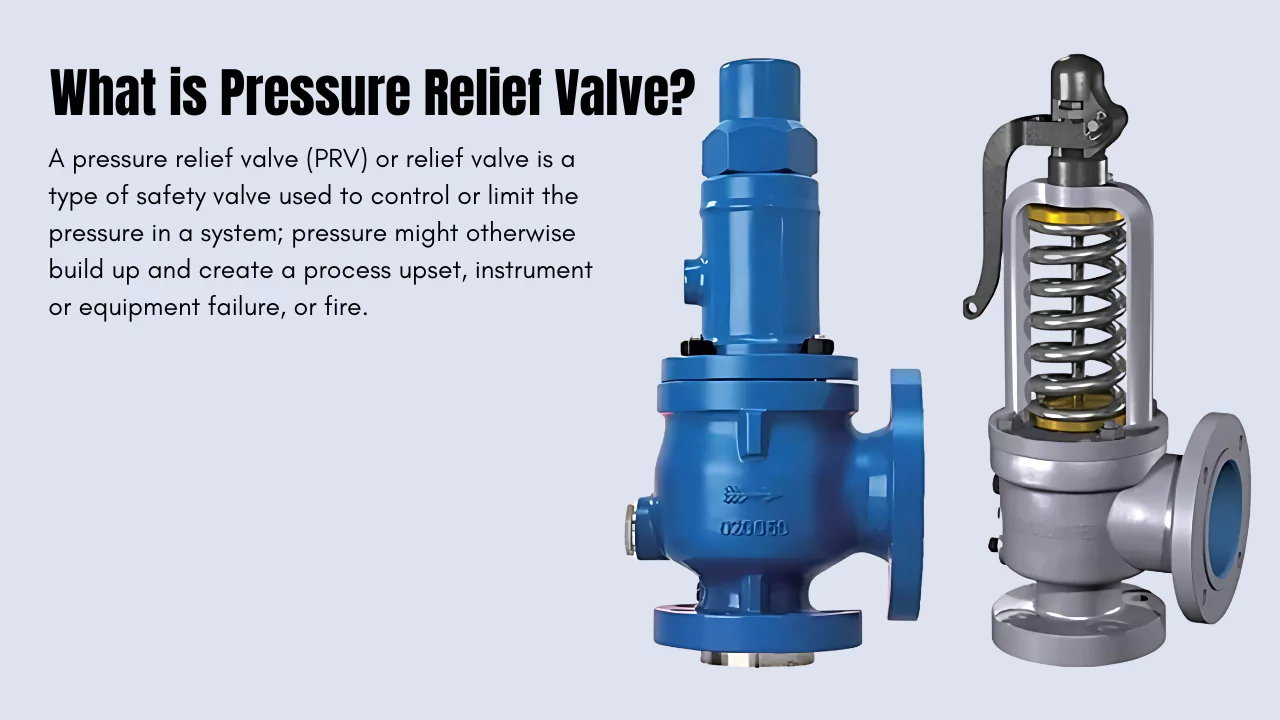
Understanding Pressure Relief Valves
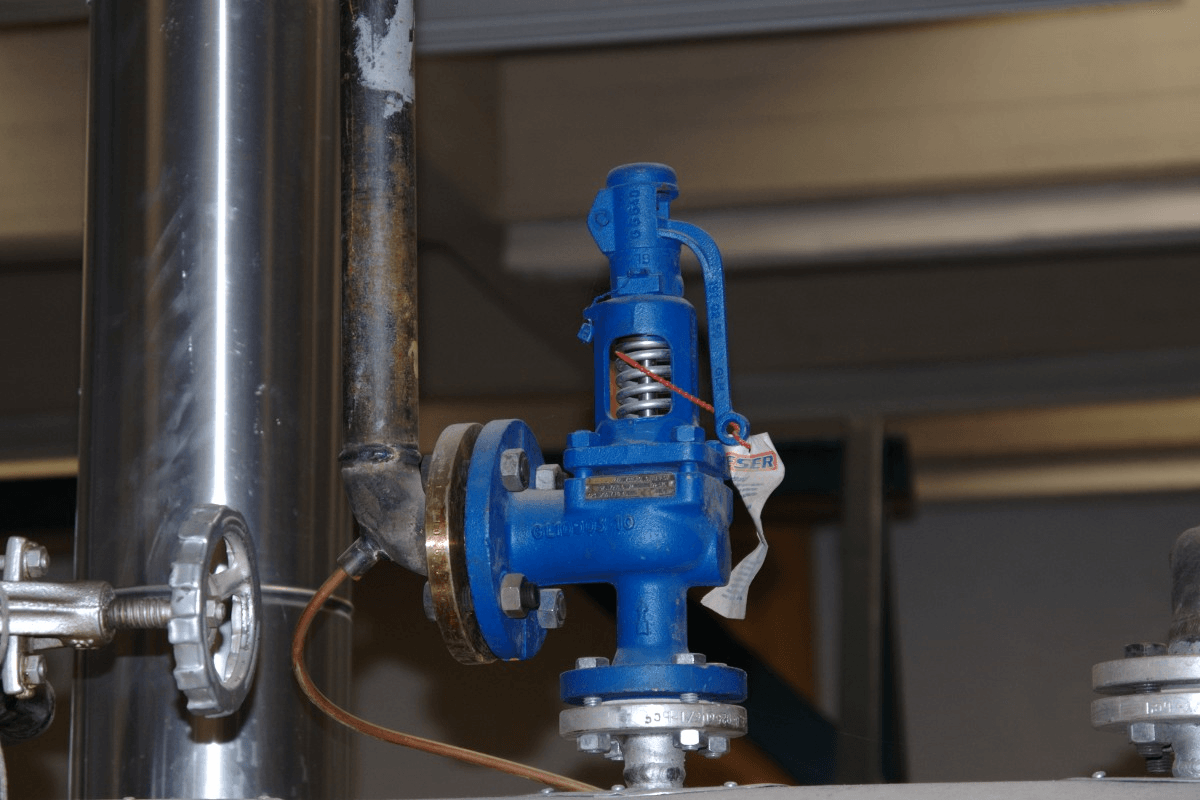
Pressure relief valves are designed to control or limit the pressure in a system. When the pressure exceeds a preset level, the valve opens, allowing the excess pressure to escape. This process prevents equipment failure, explosions, or other catastrophic events. However, these valves are susceptible to wear and tear, particularly from corrosion.
What Causes Corrosion?
Corrosion is a natural process that involves the gradual destruction of materials, usually metals, by chemical reactions with their environment. Common causes of corrosion include exposure to moisture, chemicals, salt, and extreme temperatures. In the context of pressure relief valves, corrosion can result from contact with corrosive fluids or environmental conditions.
Types of Corrosion in Valves
There are several types of corrosion that can affect pressure relief valves, including:
- Uniform Corrosion: Occurs evenly across the surface of the valve.
- Pitting Corrosion: Results in small pits or holes, often difficult to detect.
- Crevice Corrosion: Occurs in confined spaces where the access of the working fluid is limited.
- Galvanic Corrosion: Happens when two different metals are in contact in the presence of an electrolyte.
Preventing Corrosion in Pressure Relief Valves
Preventing corrosion in pressure relief valves is crucial for maintaining their integrity and performance. Here are some strategies:
Material Selection
Choosing the right materials is the first step in preventing corrosion. Stainless steel, for example, is often used because of its resistance to corrosion in various environments. Material selection should be based on the specific fluids and environmental conditions the valve will encounter.
Coatings and Linings
Applying protective coatings or linings can provide an additional barrier against corrosion. These coatings are designed to withstand harsh chemicals and extreme temperatures.
Regular Maintenance and Inspection
Regular maintenance and inspection are essential for early detection of corrosion. This includes checking for signs of wear and tear and replacing parts as needed. A comprehensive PRV troubleshooting guide can be a valuable resource for maintenance teams.
Impact of Corrosion on Safety and Efficiency
Corrosion can significantly impact the safety and efficiency of pressure relief valves. Corroded valves may not open or close properly, leading to overpressure situations or leaks. This not only poses a safety risk but can also lead to costly downtime and repairs.
Ensuring Compliance with Standards
Adhering to industry standards, such as the ASME code for pressure relief valves, is vital for ensuring safety and compliance. These standards provide guidelines on material selection, design, and maintenance to minimize corrosion risks.
Advancements in Technology
Technological advancements have led to the development of more durable valve designs and materials that offer better resistance to corrosion. These innovations help extend the life of pressure relief valves and improve their performance in corrosive environments.
Conclusion
Understanding and preventing corrosion in pressure relief valves is essential for maintaining system safety and efficiency. By selecting appropriate materials, applying protective coatings, and adhering to regular maintenance schedules, industries can minimize the risks associated with corrosion. Staying informed about the latest standards and technologies is also crucial for optimizing valve performance.
FAQ
What are the signs of corrosion in pressure relief valves?
Signs of corrosion in pressure relief valves include visible rust, pitting, leaks, and reduced valve performance.
How often should pressure relief valves be inspected?
It is recommended to inspect pressure relief valves at least once a year, although more frequent inspections may be necessary depending on the operating environment.
Can corrosion in valves be completely prevented?
While it may not be possible to completely prevent corrosion, taking preventive measures can significantly reduce its occurrence and impact.
For more detailed information on the difference between pressure reducing and relief valves, visit Engineering.com.
This article contains affiliate links. We may earn a commission at no extra cost to you.