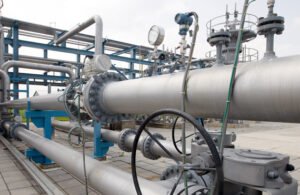
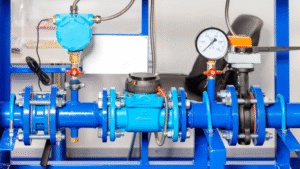
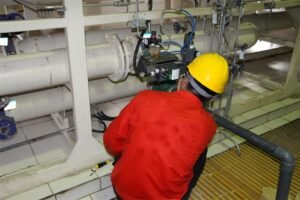
In the world of industrial operations, safety is a paramount concern. Ensuring the proper functioning of equipment, such as a relief valve, is crucial to maintaining safe and efficient operations. A relief valve is a critical component that helps protect systems from overpressure conditions by releasing excess pressure. However, like any other mechanical component, relief valves can wear out over time and require replacement. Identifying the signs your relief valve needs replacement is essential to prevent potential hazards and ensure the reliability of your systems.
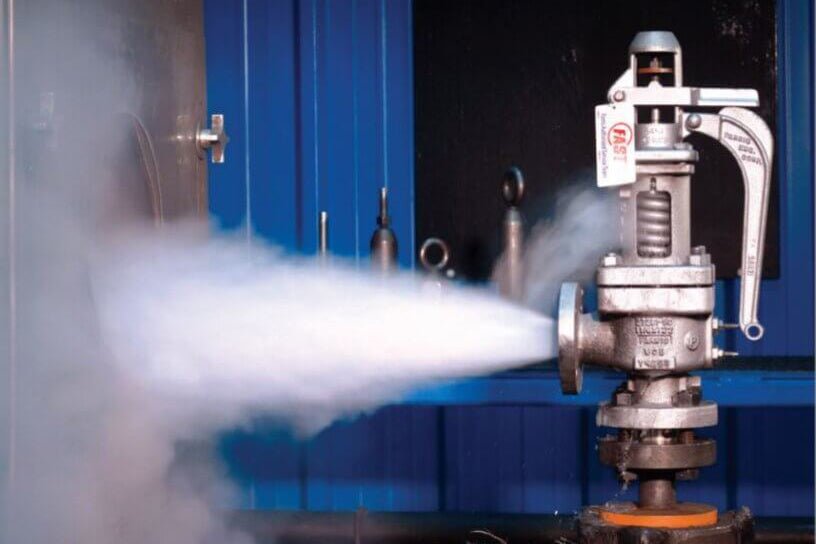
Understanding the Role of a Relief Valve
Before delving into the signs your relief valve needs replacement, it’s important to understand its function. A relief valve acts as a safety mechanism designed to relieve overpressure in a system. It’s typically used in systems handling gases or liquids under pressure, such as boilers, pipelines, and tanks. When the pressure inside the system exceeds a pre-set limit, the relief valve opens to release the excess pressure, preventing potential explosions or equipment damage.
Key Signs Your Relief Valve Needs Replacement
1. Frequent Activation
If your relief valve is activating more frequently than usual, it may indicate an issue with the valve or the system it’s protecting. Frequent activation can lead to excessive wear and reduced performance over time, signaling the need for replacement. To learn more about troubleshooting relief valves, you can visit the PRV Troubleshooting Guide.
2. Leakage
Leakage around the relief valve is a clear sign that the valve may not be sealing properly. This can be caused by wear and tear, corrosion, or damage to the valve components. If left unaddressed, leakage can lead to system inefficiencies and potential safety hazards.
3. Corrosion or Rust
Corrosion or rust on the valve can compromise its integrity and performance. Inspect the relief valve regularly for any signs of corrosion or rust, especially if it’s exposed to harsh environmental conditions. If you find significant corrosion, it’s time to consider replacing the valve.
4. Unusual Noises
Strange noises emanating from the relief valve, such as rattling or hissing, may indicate a malfunction. These noises can result from debris caught in the valve, worn-out components, or improper valve sizing. Addressing these issues promptly is crucial to maintaining system safety.
5. Inconsistent Pressure Readings
If the pressure readings in your system fluctuate unexpectedly or deviate from normal operating levels, it could be a sign of a failing relief valve. Inconsistent pressure readings can lead to operational inefficiencies and potential safety risks.
6. Discolored Discharge
If the discharge from the relief valve appears discolored or contaminated, it may indicate internal damage or contamination within the valve. This issue can affect the valve’s performance and should be addressed promptly.
7. Inability to Reset
Once a relief valve activates, it should automatically reset to its closed position when normal pressure is restored. If the valve fails to reset or remains open, it may indicate a mechanical failure that requires replacement.
8. Visible Damage
Inspect the relief valve for any visible signs of damage, such as cracks, dents, or deformation. Any physical damage can compromise the valve’s performance and safety, necessitating replacement.
The Importance of Regular Maintenance
Regular maintenance is essential to ensure the reliability and longevity of relief valves. Implementing a comprehensive maintenance program can help identify potential issues before they lead to failure. To understand the standards and requirements for pressure relief valves, you can refer to the PRV Design Standards.
Steps to Take When Signs Your Relief Valve Needs Replacement Emerge
1. Conduct a Thorough Inspection
When you notice any of the signs your relief valve needs replacement, start by conducting a thorough inspection. Check for visible damage, corrosion, and listen for unusual noises. Document your findings for further analysis.
2. Consult a Professional
If you’re unsure about the condition of your relief valve, consult a professional technician or engineer. They can provide expert advice and recommend the best course of action, whether it’s repair or replacement.
3. Replace the Valve If Necessary
If your inspection and consultation indicate that the relief valve needs replacement, take action promptly. Delaying replacement can lead to safety hazards and operational inefficiencies. Ensure that the replacement valve meets the necessary standards and specifications for your system. For more information on valve dimensions, refer to the API 526 Valve Dimensions.
Conclusion
Identifying the signs your relief valve needs replacement is crucial for maintaining safe and efficient industrial operations. Regular inspections, maintenance, and prompt replacement when needed can help prevent potential hazards and ensure the continued reliability of your systems. To deepen your understanding of pressure relief valves, you can explore external resources such as The Basics of Pressure Relief Valves.
Frequently Asked Questions
1. How often should relief valves be inspected?
Relief valves should be inspected regularly, typically every six months to a year, depending on the system’s demands and operating conditions.
2. Can a relief valve be repaired instead of replaced?
In some cases, relief valves can be repaired if the damage is minor. However, if the valve shows significant wear or damage, replacement is recommended to ensure safety and reliability.
3. What are the consequences of ignoring the signs of a failing relief valve?
Ignoring the signs of a failing relief valve can lead to overpressure conditions, equipment damage, and potential safety hazards, including explosions or leaks.
This article contains affiliate links. We may earn a commission at no extra cost to you.