
In the realm of mechanical and industrial engineering, the function and operation of pressure relief valves are crucial. Ensuring safety and maintaining the integrity of systems, these valves play a vital role in preventing overpressure conditions. Understanding how pressure relief valves work can be beneficial not only for engineers but also for anyone involved in the operation and maintenance of systems where pressure management is essential.
Pressure relief valves are designed to control or limit the pressure in a system which can build up due to various reasons, including equipment failure or blockages. By automatically releasing excess pressure, they help in safeguarding equipment and preventing potential hazards.
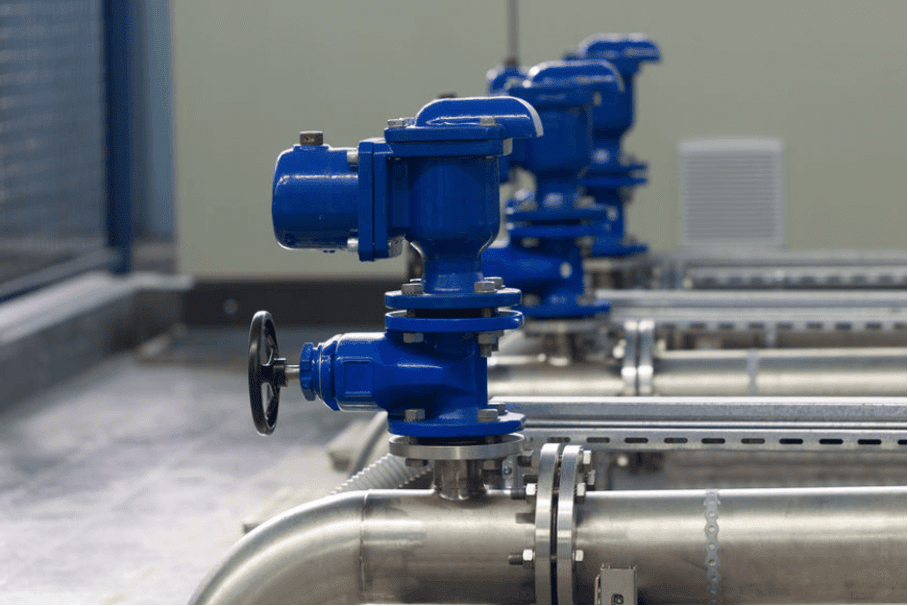
What is a Pressure Relief Valve?
A pressure relief valve is a safety device designed to protect a pressurized system during an overpressure event. An overpressure event refers to any condition which would cause pressure in a system to increase beyond its specified limits. These valves are engineered to open at a predetermined set pressure to prevent excessive pressure build-up, thereby ensuring the system’s safety.
Components of a Pressure Relief Valve
- Valve Body: The main structure of the valve which houses all other components.
- Spring or Pilot: Used to apply force to the valve seat to keep it closed until the set pressure is reached.
- Valve Seat: The part of the valve which comes into contact with the disc or plug to form a seal.
- Disc or Plug: The component that seals against the valve seat to prevent flow until the valve opens.
Types of Pressure Relief Valves
Pressure relief valves come in various types, each suited for different applications and pressure ranges. Some of the common types include:
Spring-Loaded Pressure Relief Valves
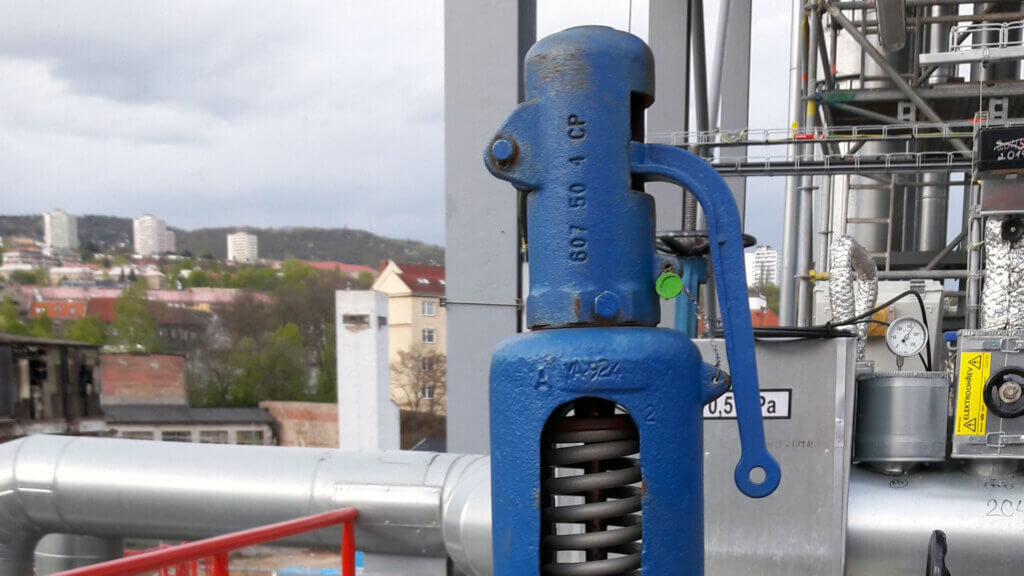
These are the most common type of pressure relief valves. They use a spring to hold the disc against the seat. When the system pressure exceeds the spring force, the valve opens to relieve the pressure.
Pilot-Operated Pressure Relief Valves
Pilot-operated valves use system pressure to assist in opening the main valve. They are suitable for high-pressure applications and offer precise control.
Balanced Bellows Pressure Relief Valves
These valves incorporate a bellows to balance the back pressure, minimizing the effect of back pressure on the set point.
Applications of Pressure Relief Valves
Pressure relief valves are used in a wide array of industries, including oil and gas, chemical processing, power generation, and manufacturing, among others. Their primary purpose is to ensure the safe operation of systems by preventing overpressure scenarios.
Oil and Gas Industry
In the oil and gas industry, pressure relief valves are critical for maintaining the safety of processing plants, pipelines, and storage facilities. They help in managing pressure fluctuations that can occur during drilling, refining, and transportation processes.
Chemical Processing
Chemical plants utilize pressure relief valves to protect equipment from pressure build-up due to chemical reactions or process failures.
Power Generation
In power plants, pressure relief valves are essential for safeguarding boilers, steam turbines, and other pressurized equipment from overpressure incidents.
How to Select the Right Pressure Relief Valve
Choosing the appropriate pressure relief valve for a specific application involves considering several factors such as the set pressure, temperature, back pressure, and the type of fluid being handled. It’s crucial to consult with experts and refer to industry standards when selecting a valve.
Key Considerations
- Set Pressure: The pressure at which the valve opens.
- Temperature: The operating temperature of the system.
- Back Pressure: The pressure in the discharge side of the valve.
- Type of Fluid: The nature of the fluid (gas, liquid, steam) being handled.
Installation and Maintenance of Pressure Relief Valves
Proper installation and regular maintenance of pressure relief valves are essential to ensure their reliable operation. Incorrect installation can lead to valve failure, while regular maintenance helps in identifying and fixing potential issues before they escalate.
Installation Tips
- Ensure the valve is installed in the correct orientation.
- Avoid installing valves near sources of vibration.
- Use the correct type and size of piping and fittings.
Maintenance Guidelines
- Regularly inspect the valve for signs of wear or damage.
- Test the valve periodically to ensure it operates at the set pressure.
- Replace worn or damaged components promptly.
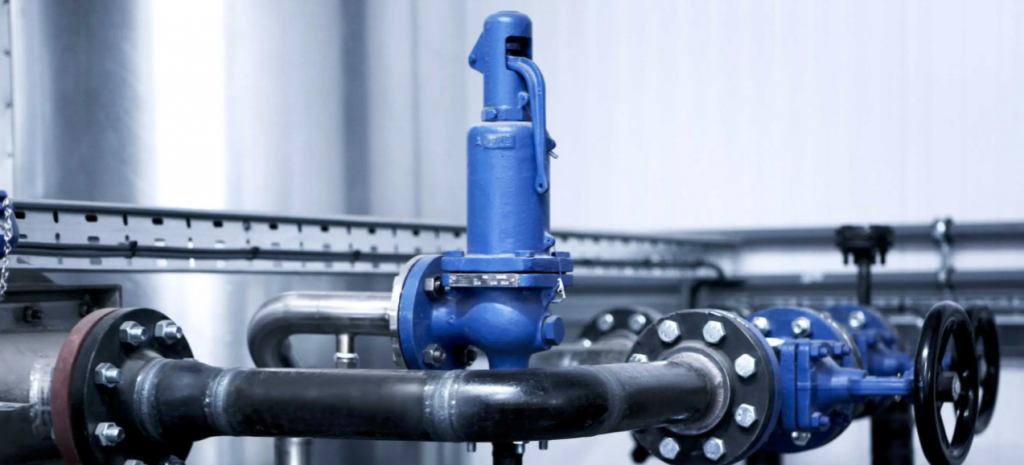
FAQs
What is the purpose of a pressure relief valve?
The primary purpose of a pressure relief valve is to protect pressurized equipment and systems from excessive pressure by opening at a set pressure to release excess pressure.
How often should pressure relief valves be tested?
Pressure relief valves should be tested regularly, at intervals recommended by the manufacturer or as specified by industry standards, to ensure they function correctly.
Can pressure relief valves be used for both gases and liquids?
Yes, pressure relief valves can be used for both gases and liquids, but it’s important to select the right type of valve for the specific application to ensure optimal performance.
For more detailed insights on pressure relief valves, you can visit this comprehensive guide.
To learn more about related topics, you might find these articles on humidity issues and air compressor valves interesting.
This article contains affiliate links. We may earn a commission at no extra cost to you.