Have you ever noticed water droplets forming on the exterior of your bathroom pipes? This phenomenon, known as bathroom pipe sweating, can be a common occurrence, especially in humid environments. Understanding why this happens and how to address it can help prevent potential damage to your home and plumbing system. In this article, we will explore the causes, solutions, and prevention methods for bathroom pipe sweating, ensuring your bathroom remains dry and safe.
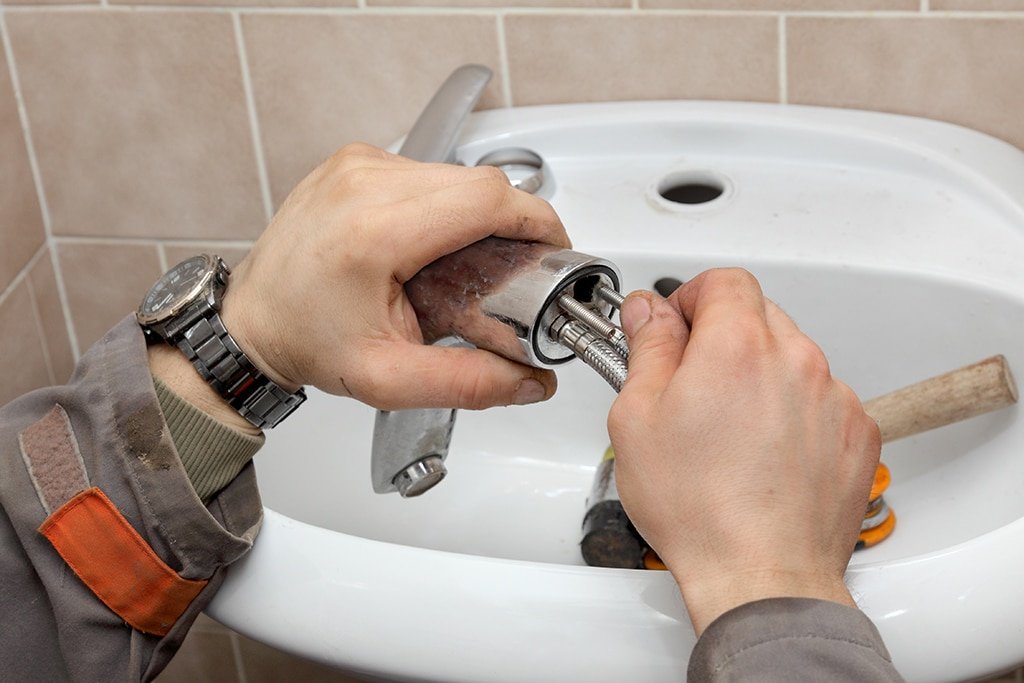
What is Bathroom Pipe Sweating?
Bathroom pipe sweating occurs when moisture in the air condenses on the surface of cold pipes. This is similar to how a cold glass of water sweats on a hot day. The condensation forms due to the temperature difference between the cold water inside the pipes and the warm, humid air outside. Over time, this can lead to water damage, mold growth, and other plumbing issues.
Causes of Pipe Sweating
High Humidity Levels
One of the primary causes of pipe sweating is high humidity levels in the bathroom. When the air is full of moisture, it can easily condense on cold surfaces, such as pipes. This is particularly common in bathrooms without proper ventilation.
Temperature Differences
Another factor contributing to pipe sweating is the temperature difference between the water inside the pipes and the surrounding air. Cold water flowing through pipes can cause the exterior to cool, leading to condensation when warm air contacts the pipe surface.
Poor Insulation
Poorly insulated pipes are more prone to sweating as they do not have a barrier to minimize the temperature difference. Insufficient insulation allows for greater heat transfer, increasing the likelihood of condensation.
Solutions to Bathroom Pipe Sweating
Improving Ventilation
One effective way to reduce pipe sweating is by improving ventilation in your bathroom. Installing exhaust fans or opening windows can help lower humidity levels, reducing the chance of condensation forming on pipes.
Using Pipe Insulation
Insulating your pipes is another effective solution. Pipe insulation acts as a barrier, preventing warm air from coming into direct contact with the cold pipe surface, thus reducing condensation. Foam or fiberglass insulation are commonly used materials.
Maintaining Proper Temperature
Maintaining a stable temperature in your bathroom can also help prevent pipe sweating. Keeping the bathroom at a moderate temperature reduces the extreme temperature differences that cause condensation.
Preventing Future Pipe Sweating
Regular Maintenance
Conducting regular maintenance checks on your plumbing system can help prevent pipe sweating. This involves checking for leaks, ensuring insulation is intact, and monitoring humidity levels.
Investing in Dehumidifiers
Using a dehumidifier in your bathroom can help control moisture levels in the air. By reducing humidity, you decrease the likelihood of condensation forming on pipes.
Sealing Bathroom Tiles
Properly sealing bathroom tiles can prevent excess moisture from penetrating surfaces and contributing to a humid environment. For more tips on tile maintenance, visit Bathroom Tile Sealant.
Impact of Pipe Sweating on Home and Health
Water Damage
Continuous pipe sweating can lead to water damage, affecting walls, floors, and ceilings. This can be costly to repair and may require professional intervention. Learn more about Leak Signs in Ceiling for early detection.
Mold and Mildew Growth
Excess moisture from pipe sweating can create an ideal environment for mold and mildew to thrive. This not only damages your home but can also pose health risks, particularly for individuals with respiratory issues.
Health Concerns
Exposure to mold and mildew from pipe sweating can lead to health problems such as allergies, asthma, and other respiratory conditions. Keeping your bathroom dry is essential for maintaining a healthy living environment.
Understanding the Role of Plumbing
Plumbing plays a crucial role in preventing pipe sweating. Properly installed and maintained plumbing systems can minimize the risk of condensation and related issues. For more information on bathroom leaks, visit How to Check for Bathroom Leaks.
Conclusion
Dealing with bathroom pipe sweating may seem daunting, but by understanding the causes and implementing effective solutions, you can keep your bathroom dry and safe. Regular maintenance, proper insulation, and humidity control are key to preventing condensation and its associated problems. By taking proactive measures, you can protect your home and health from the effects of pipe sweating.
FAQ Section
What causes bathroom pipe sweating?
Bathroom pipe sweating is caused by condensation forming on cold pipes due to high humidity levels and temperature differences between the pipe and surrounding air.
How can I prevent bathroom pipe sweating?
You can prevent bathroom pipe sweating by improving ventilation, insulating pipes, maintaining proper temperature, and using dehumidifiers to control humidity levels.
Is pipe sweating harmful?
Yes, pipe sweating can lead to water damage, mold growth, and health issues if not addressed. It’s important to take preventive measures to avoid these problems.
This article contains affiliate links. We may earn a commission at no extra cost to you.