
A bathroom slow drip might seem like a minor issue at first glance, but it can lead to significant problems if not addressed promptly. The constant dripping not only wastes water but can also cause damage to your bathroom fixtures and increase your water bill. In this article, we will explore the causes of a slow drip in the bathroom, effective ways to fix it, and preventive measures to avoid future occurrences.
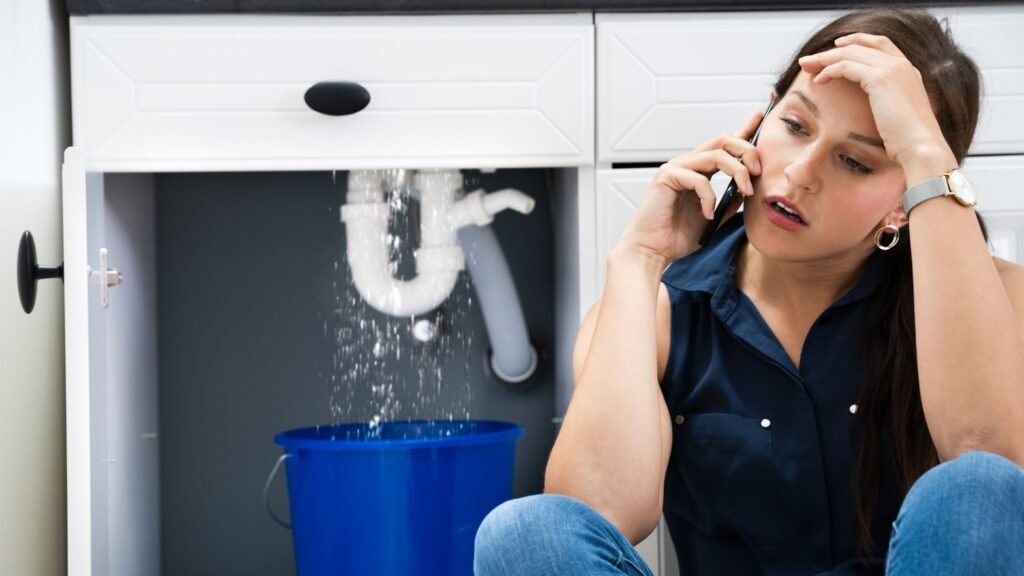
Common Causes of a Bathroom Slow Drip
Worn-Out Washers and Seals
One of the most common causes of a bathroom slow drip is worn-out washers and seals. Over time, the rubber washers and seals in faucets can degrade, leading to leaks. Regular maintenance and timely replacement can prevent this issue.
Corroded Valve Seats
Corroded valve seats can also result in a slow drip. The valve seat connects the faucet and the spout, and corrosion can create an uneven surface, allowing water to leak through. Cleaning or replacing the valve seat can often solve the problem.
Loose or Damaged Parts
Loose or damaged parts within the faucet mechanism can cause leaks. Regular inspection and tightening of these parts can help maintain a properly functioning faucet and prevent a slow drip.
How to Fix a Bathroom Slow Drip
Step-by-Step Guide
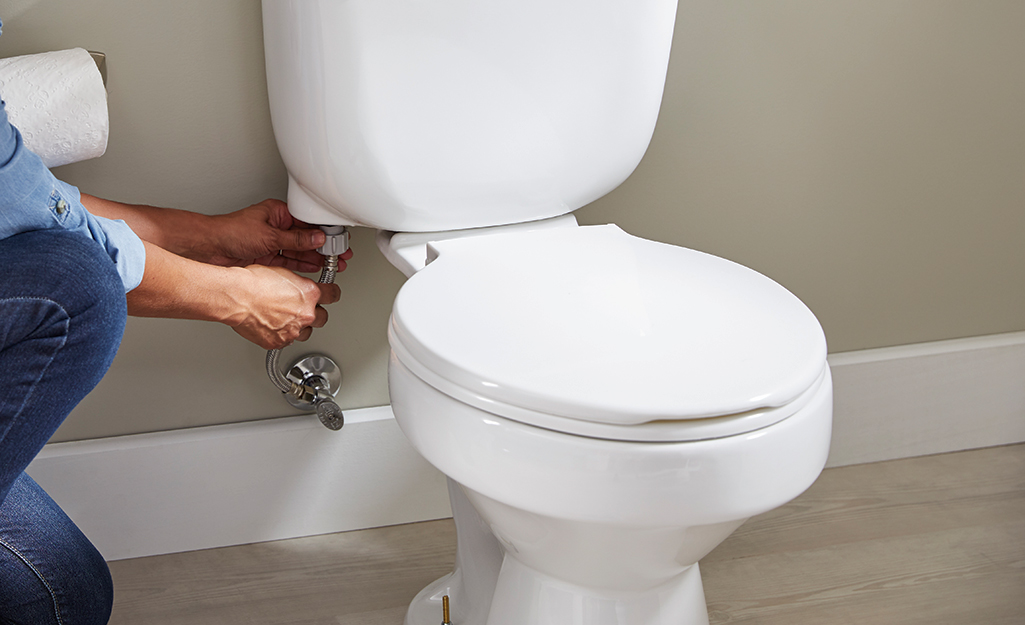
Turn Off the Water Supply
Before attempting any repairs, ensure that the water supply to the affected area is turned off. This will prevent further water wastage and make the repair process easier.
Disassemble the Faucet
Carefully disassemble the faucet to access the faulty components. Take note of the order in which parts are removed to ensure proper reassembly.
Inspect and Replace Damaged Parts
Inspect the washers, seals, and valve seat for signs of wear and corrosion. Replace any damaged components with new ones to stop the slow drip.
Reassemble the Faucet
Once the faulty parts have been replaced, reassemble the faucet in the reverse order of disassembly. Ensure that all parts are tightened securely to prevent further leaks.
Turn On the Water Supply
After reassembling the faucet, turn on the water supply and check for any remaining leaks. If the slow drip persists, consider consulting a professional plumber for further assistance.
Preventing Future Bathroom Slow Drips
Regular Maintenance
Conduct regular maintenance on your bathroom fixtures to catch potential issues early. This includes checking for loose parts, cleaning components, and replacing worn-out washers and seals.
Use High-Quality Parts
When replacing parts in your bathroom fixtures, opt for high-quality components that are less likely to wear out quickly. This investment can save you money and hassle in the long run.
Monitor Water Usage
Keep an eye on your water usage to detect any sudden increases, which could indicate a leak. Addressing leaks promptly can prevent a minor issue from becoming a major problem.
Understanding the Impact of a Bathroom Slow Drip
Environmental Concerns
A slow drip might seem insignificant, but it contributes to water wastage and environmental degradation. Conserving water is crucial for sustainability, and addressing leaks is a simple yet effective way to contribute.
Financial Implications
The financial impact of a bathroom slow drip can accumulate over time. Increased water bills and potential damage to fixtures can result in unnecessary expenses. Addressing leaks promptly can save you money in the long run.
Frequently Asked Questions
What should I do if my faucet continues to drip after repairs?
If your faucet continues to drip after you’ve replaced the necessary components, it’s advisable to consult a professional plumber. There may be underlying issues that require expert attention.
Can a bathroom slow drip cause mold growth?
Yes, a persistent slow drip can create a damp environment, promoting mold growth. Addressing leaks promptly can prevent mold and maintain a healthy bathroom environment.
How often should I check my bathroom fixtures for leaks?
It’s recommended to inspect your bathroom fixtures at least twice a year for signs of leaks or wear. Regular maintenance can prevent small issues from escalating.
For more detailed information on common bathroom leaks and solutions, you can visit this external resource. Additionally, learn more about bathroom tile sealant and its role in preventing leaks, as well as understanding the difference between leak vs humidity in your bathroom.
This article contains affiliate links. We may earn a commission at no extra cost to you.