Experiencing a bathroom water pressure drop can be a frustrating inconvenience that disrupts your daily routine. Whether you’re dealing with a trickling shower or a slow-filling tub, understanding the reasons behind this issue is key to finding effective solutions. This article delves into the potential causes of water pressure drop and provides practical tips to restore optimal pressure levels.
Understanding the Basics of Water Pressure
Water pressure refers to the force with which water flows through your pipes. It is measured in pounds per square inch (PSI). Ideal water pressure ranges between 40 to 60 PSI for most homes. Anything significantly below this range could indicate a problem.
Common Causes of Bathroom Water Pressure Drop
1. Clogged Pipes
Pipes can become clogged with mineral deposits and debris over time, particularly in areas with hard water. These clogs can restrict water flow, leading to a noticeable drop in water pressure.
2. Leaks in the Plumbing System
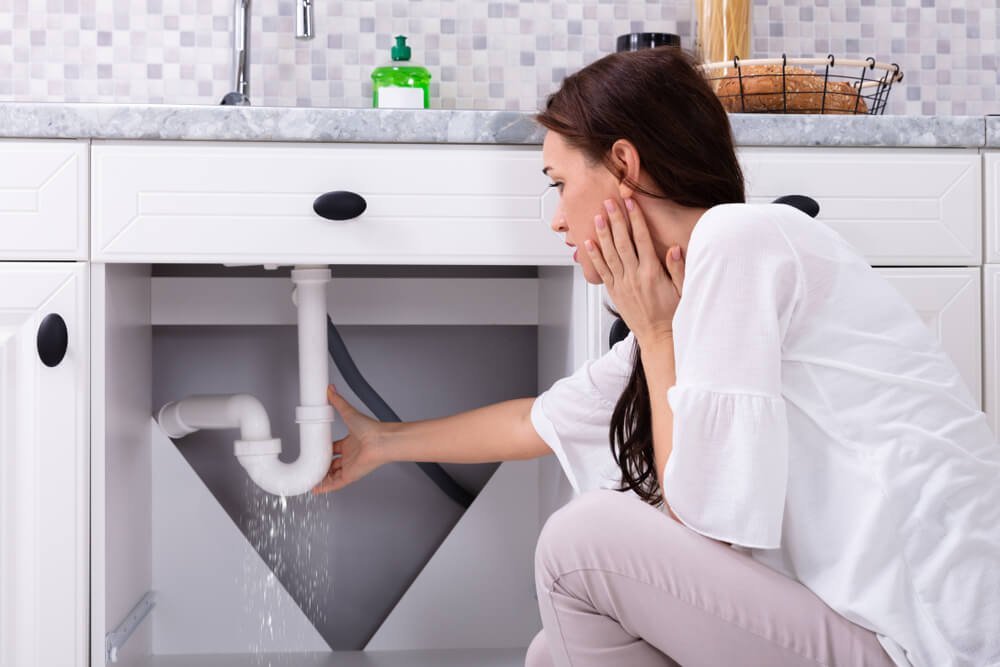
Leaks, whether visible or hidden, can significantly impact water pressure. A small leak might not seem like a big deal, but over time, it can cause a significant drop in pressure. Learn more about bathroom leak detection.
3. Faulty Pressure Regulator
Most homes have a pressure regulator installed to maintain consistent water pressure. A malfunctioning regulator can lead to either excessively high or low pressure.
Diagnosing Water Pressure Problems
1. Check All Fixtures
Begin by checking all water fixtures in your bathroom. If the pressure drop is isolated to one fixture, the problem may lie with that specific fixture, such as a clogged aerator or showerhead.
2. Inspect for Leaks
Look for any visible signs of leaks, such as water stains or damp patches. You can also use your water meter to check for hidden leaks by noting the meter reading, avoiding water usage for a few hours, and then checking the reading again.
Solutions to Restore Water Pressure
1. Clean or Replace Fixtures
Mineral buildup in faucets and showerheads can often be resolved by cleaning or replacing these fixtures. Soak them in vinegar to dissolve mineral deposits.
2. Fix Leaks
Address any leaks promptly. Tighten loose connections or replace damaged pipes. For persistent leaks, it may be necessary to consult a professional plumber. For more information on bathroom leaks, visit leak vs humidity.
3. Adjust the Pressure Regulator
If you suspect a faulty pressure regulator, consider having it inspected and adjusted by a professional.
When to Call a Professional
While some water pressure issues can be resolved with DIY methods, others may require professional intervention. If you’ve tried the above solutions and still experience problems, it’s time to call a plumber.
Preventing Future Water Pressure Drops
1. Regular Maintenance
Regular inspection and maintenance of your plumbing system can help prevent future issues. Consider scheduling annual plumbing check-ups.
2. Water Softening Systems
Installing a water softening system can reduce mineral deposits in your pipes, preventing clogs and maintaining optimal water pressure.
FAQ
Why does my water pressure drop at night?
Pressure drops at night can be due to increased demand in the neighborhood or scheduled maintenance by water companies.
Can a water heater affect water pressure?
Yes, sediment buildup in a water heater can restrict water flow, affecting pressure.
How can I test my water pressure?
Use a water pressure gauge, which can be attached to an outdoor faucet or a washing machine connection to measure PSI.
For more insights on common bathroom leaks, visit our detailed guide on bathroom leak solutions.
This article contains affiliate links. We may earn a commission at no extra cost to you.