
Dealing with a bathroom leak can be a homeowner’s nightmare. Not only does it cause disruption, but it can also lead to costly repairs if not addressed promptly. This is where bathroom leak insurance comes into play. It offers peace of mind, knowing that you are covered against potential water damage. In this article, we will explore how this insurance works and why it is essential for every homeowner.
Understanding the intricacies of bathroom leak insurance is crucial for homeowners. Whether you are a first-time buyer or looking to update your current policy, knowing the ins and outs can save you a lot of trouble and expense in the long run.
What is Bathroom Leak Insurance?
Bathroom leak insurance is a type of coverage that protects homeowners from the financial impact of water damage caused by leaks in the bathroom. This includes damage to floors, walls, and fixtures resulting from a sudden or accidental leak.
Why You Need It
Water damage can be incredibly costly to repair. Aside from the immediate damage, it can also lead to mold growth, which poses health risks. Find out more about common bathroom leaks and their impacts.
Types of Coverage Available
There are various types of coverage you can opt for, depending on your needs:
- Basic Coverage: Covers damage from sudden leaks.
- Comprehensive Coverage: Includes basic coverage plus damage from long-term leaks and mold.
- Extended Coverage: Offers protection against additional scenarios such as sewer backup.
Basic Coverage
This is the most common type of coverage. It typically covers sudden leaks from pipes, fixtures, or appliances. However, it may not cover damage from long-term leaks or mold growth.
Comprehensive Coverage
Comprehensive coverage offers more extensive protection. It includes coverage for gradual leaks and mold damage, making it a more robust option for homeowners looking for complete peace of mind.
How to Choose the Right Policy
Choosing the right policy depends on several factors including the age of your home, the condition of your plumbing, and your budget. Consider these when selecting a policy:
- Assess the age and condition of your plumbing system.
- Determine your budget for insurance premiums.
- Consult with an insurance expert to tailor a policy to your needs.
Assessing Your Home’s Plumbing
The condition of your plumbing system plays a significant role in determining the right coverage. Older systems may require more comprehensive coverage due to a higher risk of leaks.
What to Do If You Experience a Leak
If you discover a leak, it’s important to act quickly to minimize damage. Here are the steps to take:
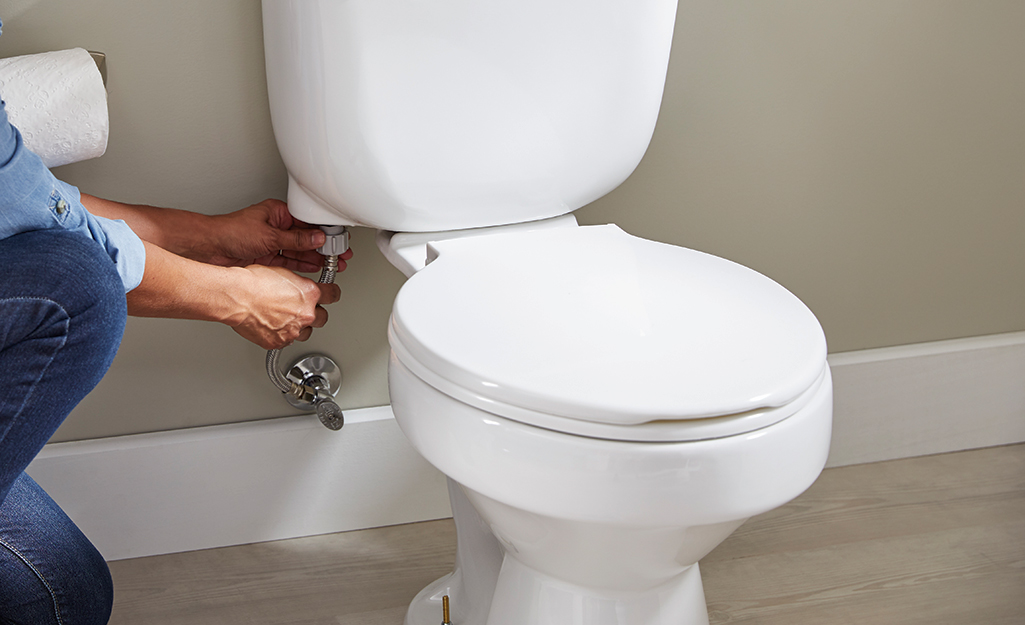
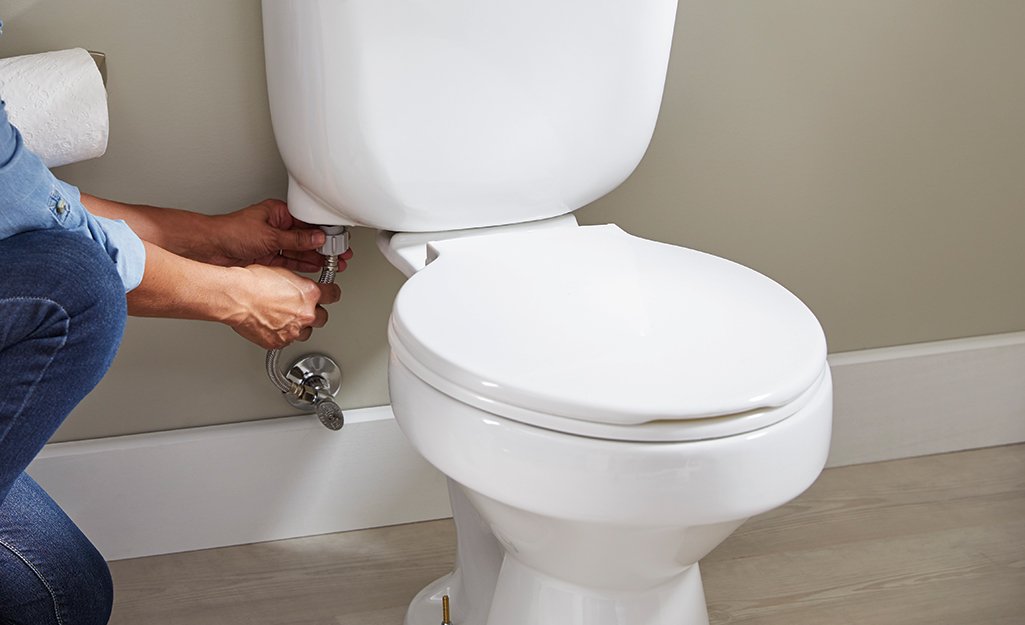
- Turn off the water supply to prevent further leakage.
- Document the damage with photos for your insurance claim.
- Contact your insurance provider to report the claim.
Immediate Actions
Taking immediate action is crucial. Turning off the water supply and documenting the damage can help you make a successful insurance claim. For more information on handling leaks, visit How to Fix a Bathroom Leak.
Preventing Future Leaks
While insurance can cover the cost of repairs, preventing leaks is always the best strategy. Regular maintenance and inspections can help identify potential problem areas before they become serious issues.
Regular Inspections
Scheduling regular inspections with a professional plumber can help identify and address potential issues early. This proactive approach can save you money in the long run.
Frequently Asked Questions
What does bathroom leak insurance cover?
It covers damage from sudden leaks, gradual leaks, and mold, depending on the type of policy you choose.
How do I file a claim?
Contact your insurance provider as soon as you discover the leak. Provide documentation such as photos to support your claim.
Can I prevent bathroom leaks?
Yes, regular maintenance and inspections can help prevent leaks. For more tips on prevention, check out Bathroom Wall Leak.
In conclusion, bathroom leak insurance is an essential part of protecting your home from water damage. By understanding the different types of coverage and taking preventive measures, you can ensure your home remains safe and sound.
This article contains affiliate links. We may earn a commission at no extra cost to you.